How to Get Anime Clips: Safe, Legal Guide for Creators
A comprehensive, creator-focused guide on how to get anime clips legally, covering sources, licensing steps, and practical workflows for a compliant clip library.


Learn the safest, legal path to obtain anime clips for reviews, edits, or tutorials. This guide outlines official sources, licensing basics, and a repeatable workflow to secure permissions, avoid copyright strikes, and build a compliant clip library. It covers where to find clips, how to request licenses, and how to document usage for future projects.
How to get anime clips: legal foundations (first subsection)
For creators wondering how to get anime clips, the process starts with understanding rights and licenses. Anime clips are protected by copyright, so using them without permission can lead to strikes, monetization losses, or takedowns. This is why a clear, legally sound workflow matters. The AniFanGuide team emphasizes building your practice around official sources, explicit permissions, and documented terms. By aligning your projects with licensed sources, you protect your content, respect creators, and open doors to collaboration. This section will map out licensing concepts, terminology, and practical steps you can apply immediately. Whether you’re producing reviews, tutorials, or fan edits, the goal is a repeatable process you can reuse across projects while staying compliant. The path from discovery to permission often feels daunting, but a structured approach lowers risk and speeds up production in 2026.
Licensing basics: rights holders and licenses (concept overview)
Copyright owners control the distribution and use of anime clips, and licenses spell out what you can do with a clip (where, for how long, in what format, and on which platforms). Key concepts include exclusive vs. non-exclusive licenses, territory (where you’re allowed to publish), duration, and the number of uses. When evaluating a clip, look for explicit permission, a Creative Commons license that allows your intended use, or a formal contract. If a license is unclear, treat it as unavailable until clarified. This stage also covers cost considerations and typical licensing models used by distributors and studios. A clear definition of your use case makes negotiation faster and reduces back-and-forth later.
Licensed sources: official channels and repositories (where to look)
The safest path to anime clips is through official channels. Check distributor websites, press kits, studio channels, and licensed clip libraries. Some platforms offer ready-to-use clips for creators, with terms tailored to fan projects and reviews. Avoid relying solely on user-uploaded clips unless the license explicitly permits reuse. When you find a potential source, verify the license terms, platform permissions, and whether monetization is allowed. Maintaining a roster of approved sources helps you scale your clip library over time.
How to request permission: creating a clear licensing request (step-by-step)
A formal licensing request should describe your project, the exact clip(s) you want, the number of seconds you plan to use, the distribution channels, and the duration of the license. Include sample links, expected audience, and any metadata that clarifies your intent. Be explicit about whether you’ll edit the clip, add commentary, or incorporate it into a montage. Provide a proposed budget, a draft contract, and timelines. A well-prepared request increases the likelihood of a positive response and reduces negotiation time.
Safe workflows for using clips in videos (practical production tips)
Once you have a license, implement practical workflows to stay compliant. Use a license-tracking sheet to monitor expiration dates, platform limitations, and scope. Keep original, unedited copies of licensed clips in a secure repository. When editing, apply the clip in a way that respects the licensed terms (e.g., avoid over-cutting beyond the permitted length). Include credits and a brief license note in your video description or credits, as required. Finally, maintain transparency with your audience about licensing to build trust and reduce confusion.
Practical examples and templates (ready-to-use tools)
Create templates for licensing requests, usage notes, and license confirmations. A ready-to-fill email template helps you approach rights holders consistently, while a one-page usage summary makes internal approvals faster. Include fields for project title, clip duration, platform, territory, and expiration. For public-facing content, pair the license with a short, clear description of how the clip will be used.
Common mistakes and how to avoid them (fast guidance)
Avoid assuming a license exists; always verify. Don’t rely on third-party clips without explicit permission. Don’t ignore platform-specific rules (e.g., YouTube, Twitch, or streaming sites). Finally, don’t mix licensed content with unlicensed footage in the same video, as this can complicate enforcement. Regular audits of your clip library help you catch potential issues before they become problems.
Tools & Materials
- License request template(Customize for each rights holder and show project details.)
- Access to official content platforms(Accounts or partnerships with licensed distributors.)
- Clip catalog or spreadsheet(Track sources, licenses, and expiration dates.)
- Video editing software(For adding commentary, lower thirds, or credits.)
- Documentation notebook or digital file(Record terms, contacts, and license IDs.)
- Legal counsel (optional)(Consult for complex rights questions.)
Steps
Estimated time: 2-6 weeks
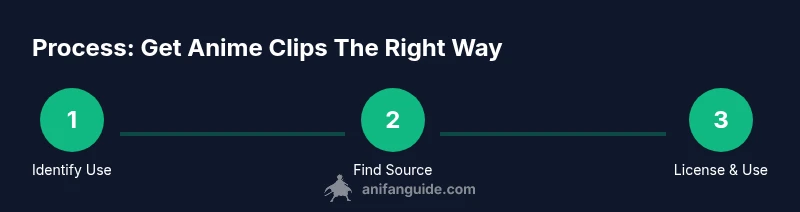
- 1
Define your clip use
Clarify exactly how you will use the clip (e.g., in a review, montage, or tutorial), the length, and the platforms where it will appear. This informs licensing scope and helps you target the right licenses from the start.
Tip: Be specific about duration and context to avoid over- or under-licensing. - 2
Check existing licenses and sources
Search official distributor sites, press kits, and studio channels for ready-made licenses or permissions. If a license is unclear, assume it’s not available and proceed to direct negotiations.
Tip: Document the source and licensing terms you find to speed up negotiations. - 3
Identify licensing options
List potential license types (non-exclusive, exclusive, time-bound) and match them to your budget and distribution plan. Consider whether the license allows edits, monetization, and multi-channel usage.
Tip: Prioritize non-exclusive licenses first to minimize cost and complexity. - 4
Prepare a licensing request
Draft a clear request with project description, exact clip(s), duration, territories, numbers of reuses, and a proposed timeline. Include links to sample clips and any draft scripts or captions.
Tip: Attach a sample contract or terms to guide the rights holder. - 5
Submit and track the request
Send your request via the rights holder’s preferred channel and record dates, responses, and any counteroffers. Use a managed tracker to avoid missed follow-ups.
Tip: Set reminders for follow-ups if you don’t hear back within 1-2 weeks. - 6
Document usage and renewals
Store the final license, track expiration, and log usage details (clip length, platform, and credits). Revisit terms before expiration if you plan to extend or relicense.
Tip: Create an expense and usage summary for future projects.
Frequently Asked Questions
Is it legal to download anime clips from streaming sites for YouTube videos?
Only if you have explicit permission or a license that covers your use. Streaming sites' terms typically prohibit downloading, so rely on official sources or contact rights holders for clear permission.
You need a license or explicit permission to use clips; downloading from streams is usually not allowed without rights.
What is fair use and how does it apply to anime clips?
Fair use is a nuanced, jurisdiction-specific concept that may apply to commentary or critique, but it is not a guarantee. Always assess purpose, amount used, and potential market impact, and seek legal advice for high-stakes uses.
Fair use depends on your context and jurisdiction—it's not a guaranteed license. When in doubt, obtain permission.
Can I monetize videos that include licensed anime clips?
Monetization depends on the license terms. Some licenses allow monetization; others restrict it or require additional permissions. Always confirm with the rights holder and document the agreement.
Monetizing clips is possible if your license permits it; otherwise, you may need extra permissions.
How long can I use a licensed anime clip?
Usage duration is defined by the license. It may be time-bound (months) or perpetual for certain platforms. Track expiration and renew if needed.
Duration depends on the license terms; keep track of expiration dates.
Are Creative Commons clips safe to use for commercial projects?
Some Creative Commons licenses allow commercial use, but many require attribution or prohibit modifications. Always verify the exact license and follow attribution requirements.
CC licenses vary; check the exact terms and attribution needs before use.
What should I do if a rights holder denies my request?
Ask for feedback to adjust the scope, or propose alternative clips or a different licensing model. If refused, consider producing original content or using non-restricted clips.
If denied, adjust scope or try alternatives; keep records for future requests.
Watch Video
Main Points
- Know the exact use case before requesting licenses.
- Always source clips from official or licensed channels.
- Document every license and expiration date.
- Use templates to streamline licensing negotiations.
- Respect platform rules and credit requirements.