How to Watch Anime Legally: A Practical Guide for Fans
Discover how to watch anime legally with official streaming services, libraries, and licensed sources. Learn regional considerations, budgeting tips, and how to support creators while enjoying a wide catalog.


This guide shows you how to watch anime legally by using official streaming services, licensed libraries, and other authorized sources. You’ll learn how licensing works, how to check regional availability, and practical steps to start watching without breaking any laws. By following these steps, you’ll access a broad catalog while supporting creators and avoiding legal risk.
Understanding licensing and legality
Watching anime legally begins with understanding licensing. Content creators and distributors grant rights to streaming platforms, cinemas, and libraries rather than distributing content free of charge. When a title is licensed for your country, it becomes available through official apps and websites. If it isn’t licensed in your region, it won’t appear on legitimate services. This is why geoblocks exist. For fans, the key is to use sources that have official rights and to avoid pirated copies. According to AniFanGuide, licensing is the backbone of fair compensation for creators and sustainable anime ecosystems. This section lays the groundwork: licensing determines what you can watch, where you can watch it, and how quickly new episodes arrive in your region.
Official sources and why they matter
Official sources are the only reliable way to ensure you’re watching legally. Reputable streaming platforms obtain licenses to host episodes, dubs, and simulcasts, and they regularly update catalogs as deals expire or renew. By using official services, you’re supporting the people who make the shows you love and ensuring access to legitimate versions with proper subtitles and quality controls. While catalog size varies by region, popular platforms generally offer a mix of classic titles and current releases. AniFanGuide’s analysis shows that relying on official sources reduces the risk of malware, counterfeit files, and poor viewing experiences. Always verify a platform’s licensing status on its own site rather than trusting third-party recommendations alone.
How to verify regional availability and licensing
Region checks are essential before subscribing. Start by visiting the service’s official page and selecting your country to see what titles are offered locally. Look for licensing notes in the description of each title—if a show isn’t listed, it’s likely not licensed for your region. You can also consult the platform’s help center or official social feeds for regional availability news. If you rely on aggregators, cross-check with the service’s own library to confirm accuracy. For creators and fans alike, this diligence helps ensure that what you’re watching is legally distributed and properly licensed.
Catalog evaluation: simulcasts, dubs, and subtitles
A great legal experience often hinges on how quickly new episodes appear (simulcasts), the availability of language options, and subtitle quality. Some services offer same-day simulcasts, while others provide slower rollouts. Always check whether the titles you want are offered with your preferred languages and subtitle formats. You’ll also want to verify whether the dub options align with your preferences. If a title isn’t available in your language, you may still enjoy it with high-quality subtitles. This attention to catalog details helps you curate a watchlist that minimizes waiting time and maximizes enjoyment.
Pricing and budgeting: what to expect
Pricing for legal anime streaming varies by region and tier. Most regions offer multiple plans, including ad-supported and premium options. Expect a range rather than a fixed price, with costs influenced by catalog size, simulcast availability, and add-ons. If you’re watching with family or a group, family or bundle plans can provide better value per person. Always read the terms for cancellation and renewal so you can adjust your plan as needed. AniFanGuide’s guidance emphasizes choosing a plan that matches your viewing habits and budget while supporting creators.
Devices, apps, and the best watching setup
Official services support a wide array of devices: smartphones, tablets, smart TVs, streaming devices, and web browsers. For the best experience, pick a device you use daily and ensure it’s compatible with your preferred platform. Install the official app from the device’s store, sign in with your licensed account, and set up profiles and parental controls if needed. A stable internet connection is essential for smooth playback and reliable subtitles. If you travel, many services allow offline downloads so you can watch legally without a constant connection.
How to support creators and avoid piracy
Watching legally isn’t just about legality—it’s about supporting the creators who make your favorite shows. Subscribing to official services and buying or renting titles when available directly funds new seasons and licensing deals. Piracy deprives creators of revenue and can expose you to malware or low-quality files. The best practice is to build a schedule around your licensed subscriptions and use legitimate sources as your primary viewing method. Ethical consumption helps sustain the industry for future seasons and translations.
Alternatives when official options are limited
If your region has limited official options, consider licensed libraries, public or university resources, and authorized distributors that ship or stream in your country. Some libraries offer streaming services or physical media collections that you can borrow. Another option is purchasing physical media (Blu-ray/DVD) for personal use where available. While options vary, sticking to licensed channels ensures compliance with copyright laws and preserves the integrity of releases.
Quick-start checklist for beginners
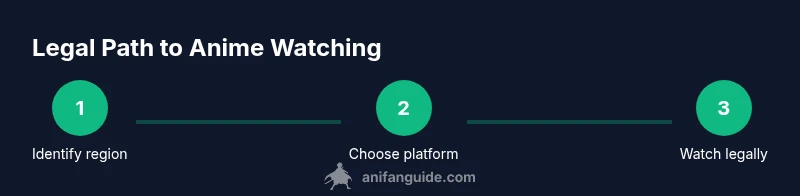
- Identify your region’s licensed services and create accounts on those platforms
- Compare catalogs to find the titles you care about
- Verify language options and subtitle quality before subscribing
- Set a watching schedule that fits your budget and avoids long-term overspending
- Explore library or physical media options if digital catalogs are limited
Common myths and legal considerations
A common myth is that all “free” anime is legitimate. In reality, legitimate free options exist (advertising-supported services), but many free sources are not legitimate if they don’t have official licenses. VPNs to bypass regional limits may violate service terms and could result in account suspension. Always rely on official channels for reliable access and high-quality viewing, and stay informed about local laws and platform policies.
Tools & Materials
- Device with internet access (TV, computer, or mobile)(Prefer a device with HDMI output for easy setup on a TV)
- Licensed streaming accounts(Sign up for official platforms that carry your region’s titles)
- Stable internet connection(A minimum reliable speed is recommended for HD playback)
- Payment method or gift cards(Use for subscriptions or bundles as needed)
- Parental controls (if applicable)(Helpful for families with younger viewers)
Steps
Estimated time: 60-90 minutes
- 1
Identify your region and licensing rules
Start by understanding what titles are legally licensed in your country. This determines which platforms you can use without running into licensing issues. Check official service pages for licensing notes and stay aware of geoblocks that may affect availability.
Tip: Write down your top 5 titles to verify licensing quickly on each platform. - 2
List official streaming options
Create a short list of platforms known to offer anime legally in your region. Include a mix of ad-supported and premium options to balance cost and breadth of catalog. Don’t rely on third-party blogs alone; verify licenses on the provider’s site.
Tip: Note which titles appear as simulcasts vs. post-broadcast releases. - 3
Assess catalogs and languages
For each platform, compare the catalog size, subtitle options, and available dubs. Prioritize services that provide your preferred language or high-quality subtitles to maximize enjoyment. Consider seasonal releases and catalog refresh cycles.
Tip: If a title isn’t available in your language, check for bilingual subtitles. - 4
Set up devices and profiles
Install official apps on your devices, sign in, and set up user profiles. Enable parental controls if needed and configure download preferences for offline viewing. This step makes watching smoother and safer for all viewers.
Tip: Keep login credentials secure and use two-factor authentication where possible. - 5
Budget wisely and choose plans
Select a plan that fits your viewing habit—consider bundles or family plans if you share with others. Compare promotions and student or yearly options to maximize value while staying within your budget.
Tip: Aim for a plan that covers at least 60–80% of titles you want to watch. - 6
Start watching and create a watchlist
Begin with a curated list of shows you’re excited about. Use official apps to track progress, set reminders for premieres, and ensure you’re consuming licensed content from the start.
Tip: Use language and subtitle settings at the start of each title for consistency. - 7
Support creators and avoid piracy
Support licensing deals by subscribing or purchasing titles when available. Avoid pirated sources, which can harm creators and may expose devices to malware.
Tip: Share the message with friends about the importance of legal streaming. - 8
Explore legal alternatives if catalogs are limited
If your preferred title isn’t licensed, consider legally sanctioned libraries, official physical media, or licensed digital purchases when available. These options provide legitimate access and support for licensed releases.
Tip: Check with your local library or educational institutions for access options. - 9
Review and adjust periodically
Licensing and catalogs shift over time. Revisit your subscriptions every few months, expanding or reducing services based on new releases and availability.
Tip: Keep a running list of titles you’re watching to re-evaluate coverage.
Frequently Asked Questions
What counts as watching anime legally?
Watching anime legally means using licensed platforms that have rights to distribute the content in your region. This includes official streaming services, libraries with licensed titles, and authorized retailers. It avoids pirated copies and unauthorized uploads.
Legal watching means using licensed platforms and avoiding pirated copies.
Are free options legally safe?
Some services offer free, ad-supported access legally. Others may push pirated or questionable content. Always verify licensing on the provider’s site and prefer official channels for reliability and safety.
Free, legal options exist, but verify licensing on the provider’s site.
Can I use a VPN to access catalogs from other countries?
Using a VPN to bypass geoblocks is often against service terms and can lead to account suspension. It’s best to stick with licenses available in your region.
VPNs to bypass licensing can violate terms and lead to suspension.
Which services have simulcasts or latest episodes?
Several official services offer simulcasts or rapid releases, depending on regional licensing. Check each platform’s catalog and episode availability in your country for up-to-date information.
Many official platforms offer simulcasts; availability varies by region.
Is it okay to buy physical media?
Buying Blu-rays or DVDs is legal and supports creators. It also gives you reliable video quality and extras, even when online catalogs are limited.
Purchasing physical media is legal and supportive of creators.
How do I check if a title is licensed in my country?
Visit the official service pages or trusted guides like AniFanGuide to verify licensing notes for each title. If it’s not listed, it’s likely not licensed locally.
Check official service pages for licensing notes in your country.
Watch Video
Main Points
- Choose official services aligned with your region.
- Verify catalogs and language options before subscribing.
- Support creators by staying within licensed sources.
- Budget with consideration for bundles and promotions.
- Avoid piracy to reduce legal risk and support the industry.