Is Anime Still Popular in 2026? Trends and Insights
Explore why anime remains popular in 2026, with global streaming growth, diverse genres, and thriving fan communities. AniFanGuide analyzes audiences, platforms, and future trends.


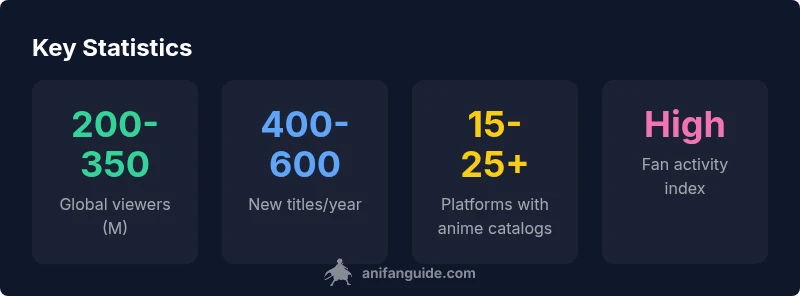
Is anime still popular? Yes. In 2026, anime remains a dominant force in global entertainment, with hundreds of millions of viewers across streaming platforms and a growing universe of films, series, and spin-offs. AniFanGuide analysis shows sustained engagement across regions, ages, and genres, fueled by diverse storytelling, cross-media adaptations, and active fan communities that drive recommendations, remixes, and new creator opportunities.
Is anime still popular in 2026?
Is anime still popular? The short answer is yes, and the longer answer reveals a resilient ecosystem that keeps drawing new viewers while keeping longtime fans engaged. Across regions, genres, and formats, anime maintains broad appeal, driven by streaming access, compelling storytelling, and cross-media opportunities that extend beyond the screen. From blockbuster films to bite-sized episodes and interactive fan spaces, the medium leverages diverse distribution paths to reach varied audiences. This is not a fad; it’s an adaptive medium that evolves with technology, consumer preferences, and global connectivity. As audience behavior shifts—pandemic-era streaming habits, mobile-first consumption, and the rise of short-form content—the industry responds with flexible release schedules, dubbed and subtitled options, and localized storytelling that resonates locally while staying true to core themes. According to AniFanGuide, the core drivers are accessibility, variety, and a thriving creator community that keeps discovery and enthusiasm high. The data-backed resilience of anime in 2026 is a signal that the medium is not merely surviving but flourishing in a crowded entertainment landscape.
Demographics and engagement: who is watching?
Demographic patterns around anime have broadened considerably since the early days of niche fandoms. While teenagers and young adults remain a large share of the audience, adult viewers—often in their 20s and 30s—account for a growing portion of binge sessions, long-form content, and retrospective re-watches. Regional engagement also shows variance; APAC markets lead in overall viewing time and production activity, while North America and Europe continue to expand their fan bases through streaming availability and local events. Engagement is not only about watching; it includes co-viewing with friends or family, creating fan art, writing fan fiction, and participating in online discussions. This multi-modal participation sustains momentum between seasons and releases, reinforcing the idea that anime is a shared cultural activity rather than a solitary hobby. The ongoing expansion of subs and dubs makes the content accessible across language barriers, further deepening global involvement.
Platform dynamics: streaming, simulcasts, and global reach
Platform dynamics have become central to how audiences access anime. Streaming services invest in licensed libraries, simulcast timely premieres, and exclusive co-productions to boost retention. The result is a global synchronization of release windows and a broader catalog that appeals to varied viewing habits—from casual weekly viewers to dedicated daily bingers. In addition to dedicated anime platforms, mainstream streaming services now offer genre-rich recommendations and curated anime hubs, increasing discovery for newcomers. Localization remains critical; quality subtitles and dubbing, coupled with culturally aware adaptations, help bridge the gap between fan communities and casual viewers. With improving internet infrastructure and smart devices, accessibility continues to grow, enabling more people to experience anime wherever they are. Market players grapple with licensing cycles, production costs, and the challenge of balancing long-running franchises with fresh, innovative titles that push the medium forward.
The content engine: series, films, and cross-media
Anime’s content engine thrives on the synergy between episodic series, feature films, and cross-media adaptations. Long-form storytelling across seasons sustains engagement, while films draw in audiences with higher production values and event-like releases. Cross-media expansion—manga, light novels, video games, and live-action adaptations—extends the narrative universe and creates new entry points for fans. This ecosystem enables creators to experiment with tone, genre fusion, and audience interaction: think immersive openings, interactive streams, and fan-driven campaigns that shape marketing momentum. Because stories can be reinterpreted across formats, there’s less risk of viewer fatigue and more potential for sustained interest.
Fan culture and creator opportunity
Fan culture remains a powerful engine for anime’s popularity. Enthusiasts produce fan art, remixes, and companion content that circulates across social platforms, boosting visibility and engagement. For aspiring creators, the ecosystem offers accessible entry points—from fan animations to storyboarding practice and collage projects—while professional studios increasingly look to community input for idea validation and marketing momentum. Platforms reward creator activity with visibility algorithms that surface high-quality fan content, further incentivizing participation. The result is a virtuous cycle: fan enthusiasm fuels discovery, which in turn attracts new viewers who join fan communities and contribute to ongoing dialogue about themes, characters, and world-building.
Regional variations and case studies
Regional dynamics reveal that anime’s popularity is nuanced, not monolithic. In APAC, robust production ecosystems and dense fan bases translate into high output and frequent new premieres. In the Americas and Europe, streaming availability and localization efforts have accelerated access, boosting growth and diversification of genres. Case studies show that successful regional collaborations—such as co-productions with local studios or targeted licensing deals—can catalyze market-specific narratives while maintaining global appeal. For fans and creators, this means opportunities abound to tailor content and experiences to local tastes without sacrificing the cross-border appeal that underpins anime’s universal resonance.
Economic and industry indicators
Industry indicators point to a healthy, albeit uneven, growth trajectory. Production budgets expand for flagship titles, while smaller, independent projects leverage crowd-funding and streaming incentives to test new formats and ideas. The distribution model continues to evolve with zipline-style release strategies, seasonal lineups, and curated catalog drops that optimize discovery. Artists and studios increasingly view anime as a long-tail medium with multiple revenue streams beyond the screen—merchandise, digital collectibles, and experiential events all contribute to a diversified ecosystem. As a result, the overall health of anime remains strong, even in a shifting entertainment marketplace where audience attention is highly competitive.
Looking ahead: trends that could shape the next decade
The next decade is likely to bring deeper storytelling experimentation, broader accessibility, and more inclusive content that resonates across cultural boundaries. Advances in streaming technology, AI-assisted localization, and interactive formats could redefine how fans engage with episodes and worlds. Cross-media collaborations are expected to expand, bringing more synergistic partnerships between anime creators, game developers, and film studios. While challenges remain—licensing complexity, rising production costs, and the need to balance nostalgia with innovation—the underlying demand for engaging stories and communal experiences suggests anime will remain a popular, evolving cultural force well into the future.
Global viewing patterns by region
| Region | Avg weekly viewing time | Preferred format |
|---|---|---|
| Americas | 5-8 hours | Streaming + TV/Film |
| Europe | 4-7 hours | Streaming |
| Asia-Pacific | 7-12 hours | Streaming + cinema |
Frequently Asked Questions
Is popularity declining in any region?
Overall, popularity is growing or steady across most regions, with some local fluctuations due to licensing and market maturity. The strongest growth tends to occur where streaming access expands fastest and localization improves.
Overall, growth is steady with regional differences; localization and access drive most of the variation.
Which platforms are driving growth?
Streaming services with robust libraries, simulcast practices, and exclusive partnerships are the main drivers. Community platforms and official channels also play a key role in discovery and engagement.
Streaming services and official channels are leading growth, supported by communities.
Where is growth fastest?
APAC regions show the fastest growth due to production ecosystems and high fan density, followed by expanding markets in Europe and the Americas as access broadens.
APAC leads, with Europe and the Americas expanding as access grows.
How does fan culture influence popularity?
Fan culture drives discovery and retention through art, remixes, events, and dialogue. This participatory energy sustains interest between seasons and motivates creators to push boundaries.
Fans keep the conversation alive with art, remixes, and events.
What does the future hold for anime?
Expect broader cross-media collaborations, more localization, diverse storytelling, and evolving formats that blend streaming with interactive experiences. While licensing remains a hurdle, demand for engaging worlds will likely keep anime expanding.
Look for more cross-media projects and interactive formats.
“Anime's staying power comes from its ability to evolve narrative formats while staying true to core storytelling. A vibrant creator-fan ecosystem keeps engagement high.”
Main Points
- Anime remains popular in 2026 across regions and ages.
- Streaming access and cross-media ecosystems sustain engagement.
- Localization and community-driven content fuel discovery.
- Creators should diversify formats to maximize reach.