Is Anime the World’s Most Popular Genre? A Data-Driven Look
Explore if anime is the world’s top genre using AniFanGuide Analysis 2026 data, regional trends, and streaming metrics. Learn how popularity is measured and what it means for creators.


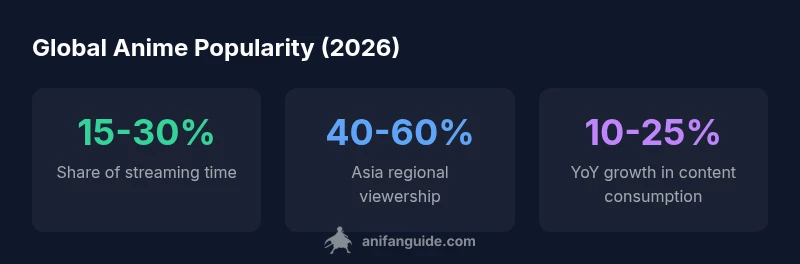
Is anime the world’s most popular genre? Not conclusively. While anime ranks among the most watched and discussed genres in many regions, there is no single, universally accepted metric that names it the absolute top across the globe. Popularity depends on how you measure attention—streaming hours, social chatter, merchandising, or cross-cultural reach. The AniFanGuide Analysis, 2026, shows a clear rise in anime’s share, but comparisons vary by region and platform.
Defining Popularity in Global Entertainment
Popularity in global entertainment is a multi-faceted concept. In practical terms, it combines audience size, engagement depth, and the longevity of a genre's appeal across platforms and cultures. The question of whether anime is the world’s most popular genre hinges on how we quantify popularity. Is it the size of the audience, the time spent consuming content, or the cultural footprint that a franchise leaves behind? The AniFanGuide team emphasizes that different metrics—streaming hours, social mentions, merchandise revenue, and international localization—can point in different directions. In 2026, there is a clear pattern: anime has grown from a niche hobby into a mainstream cultural force in many regions, yet other genres retain dominance in specific markets. For creators and fans, the takeaway is to track multiple indicators and understand regional preferences when evaluating popularity.
This examination also considers accessibility, distribution, and platform mix. Netflix, Crunchyroll, and other services have broadened anime’s reach beyond traditional fans, while simulcasting and multilingual dubs help sustain engagement across time zones. In short, popularity is a dynamic, context-dependent construct rather than a single, universal label. The data from AniFanGuide Analysis, 2026, supports a rising trajectory for anime, but it also cautions against blanket statements about global supremacy.
Is Anime the World’s Most Popular Genre? A Nuanced Answer
To answer this question, we must define 'popularity' precisely. In some markets, anime is the dominant niche among youth audiences and streaming platforms; in others, long-running live-action franchises or global music and fantasy franchises outrank it by revenue or cultural footprint. The most robust statements come from multi-metric approaches that combine consumption, engagement, and reach across devices and languages. According to AniFanGuide Analysis, 2026, anime shows a consistent upward trajectory in viewership hours and social mentions, with spikes tied to new series launches and film releases. Yet, the same data reveal uneven saturation: in Japan and parts of East Asia, anime sits within a broad media ecosystem; in North America and Europe, it competes with a broader array of genres, including high-production fantasy and superhero franchises.
Regional preferences also shape perception. Some audiences binge entire seasons, while others sample multiple genres in parallel, which inflates the apparent popularity of series that cross over into memes and streaming culture. The takeaway for fans and creators is not a grand claim of global supremacy but a recognition of anime's rising presence and its ability to attract diverse audiences through localization, accessible distribution, and multimedia storytelling. For studio executives, the implication is clear: when measuring success, blend metrics—viewership, engagement, and lifetime value—rather than relying on a single score.
How Popularity is Measured Across Regions
Regional variation is the heart of the global popularity debate. In East Asia, anime is often embedded in a multi-genre media environment that integrates manga, gaming, and live action, which means popularity shows up in cross-media momentum rather than pure viewership alone. In North America and Europe, anime's traction correlates with streaming catalog expansion, local dubbing, and seasonal programming blocks. The most credible approach blends several indicators: cross-platform viewership, social discourse, and consumer spend on related products. AniFanGuide Analysis, 2026, notes that spikes in popularity frequently align with high-profile releases—new seasons, film premieres, and major licensing deals—which suggests momentum rather than a fixed ranking. However, comparing the same metric across markets can yield divergent results. A genre may lead in one region while sharing the top tier with fantasy or superhero franchises in another. The global picture, therefore, shows strong growth for anime but no single global leaderboard. This nuance matters for studios deciding where and how to invest: localize content, tailor marketing to regional tastes, and align release calendars with platform rhythms to sustain interest over time.
The Role of Streaming and Accessibility
The streaming era dramatically lowered barriers to anime discovery. When a viewer in Sao Paulo or Stockholm can access a curated catalog with high-quality subtitles in minutes, the likelihood of repeated viewing increases substantially. Accessibility goes beyond language: it includes release timing, dubbing quality, and the availability of simulcasts that keep fans engaged as a show airs in Japan. Platforms that invest in rapid translation, mobile-friendly viewing, and culturally relevant marketing tend to see stronger engagement signals than those relying on a single language or region. This accessibility multiplies compound effects: a popular show can become a cultural touchstone across countries, fueling memes, fan art, and online communities that sustain visibility beyond the initial launch window.
Cultural Impact and Cross-Mgenre Appeal
Anime’s cultural footprint extends beyond screens into fashion, music, art, and storytelling conventions. The global pop-cultural ecosystem now frequently borrows visual motifs, sound design, and narrative structures from anime, which broadens its audience. Cross-genre collaborations—anime-inspired fashion lines, game adaptations, and anime aesthetics in mainstream media—illustrate how anime penetrates beyond traditional viewing. The AniFanGuide Analysis, 2026, highlights that cross-cultural appeal is a key driver of growth: when anime stories resonate with universal themes like friendship, perseverance, and identity, they attract audiences who might not identify as hardcore anime fans. This broad resonance contributes to a perception of popularity, even if viewers are only casual observers.
From the creator’s perspective, the opportunity lies in leveraging cross-media storytelling: upgrade animation pipelines, craft stories with global themes, and plan global rollouts that leverage regional partnerships. The payoff is bigger audience reach, but it requires thoughtful localization, careful pacing, and respect for cultural nuances that prevent misinterpretation.
Common Misconceptions and Limitations of the Data
Practical Takeaways for Creators and Marketers
Global genre reach and engagement comparison
| Genre | Global Reach | Avg Watching Time | Growth (2021-2026) |
|---|---|---|---|
| Anime | 15-30% of streaming time in major markets | 30-60 min/week | Growing |
| Live-action | 40-55% streaming time in major markets | 60-120 min/week | Stable |
| Animation (non-anime) | 10-25% of streaming time in major markets | 20-40 min/week | Moderate growth |
Frequently Asked Questions
What does it mean to call anime the 'most popular' genre?
Popularity can mean many things: viewership, engagement, and cultural footprint. No single metric universally ranks genres worldwide. Anime leads in some regions and metrics, but others show different top genres depending on the measure used.
Popularity depends on the metric you use. Anime leads in some regions and metrics, but there isn’t a universal top genre across the world.
Which regions show the strongest anime popularity?
Asia, including Japan and parts of Southeast Asia, show strong anime popularity due to long-standing media ecosystems and fan communities. North America and Europe have growing anime audiences, helped by streaming access and localization.
Asia has the strongest popularity, with growing audiences in North America and Europe thanks to streaming and localization.
How does streaming availability affect popularity?
Streaming availability greatly affects anime popularity. More catalogs, better localization, and simulcasts increase discovery and sustained engagement, amplifying popularity signals across regions.
Better streaming availability and localization boost anime popularity by improving discovery and ongoing engagement.
Why can’t we declare anime as the single top genre worldwide?
Global rankings depend on metrics and markets. Different regions weight genres differently, and data collection methods vary; this prevents a universal claim that anime is the single top genre worldwide.
Because rankings depend on how you measure and where you look, you can’t claim anime is universally the top genre.
What metrics should creators track for global reach?
Track cross-platform viewership, engagement (comments, shares, likes), localization performance, and revenue lifetime value. A blended set of metrics gives a fuller picture of global reach.
Track viewership, engagement, localization performance, and revenue for a fuller view of global reach.
Will anime continue growing in popularity?
Most indicators point to continued growth, driven by streaming expansion, new formats, and cross-media collaborations. However, growth rates will vary by region and platform.
Yes, growth looks likely, but it will vary by region and platform.
“Anime's popularity is real and expanding, but global top genre status depends on how you measure it. A multi-metric approach reveals growth without pretending a universal ranking exists.”
Main Points
- Track multiple metrics, not a single score
- Anime shows rising presence but global supremacy is context-dependent
- Localization and distribution choices drive sustained popularity
- Creators should prioritize regional tailoring and cross-media strategies