Is anime getting more popular? A data-driven look at 2026 trends
A data-driven look at whether anime is getting more popular in 2026, analyzing global viewership, platform dynamics, demographics, and cultural impact with balanced, region-aware insights.


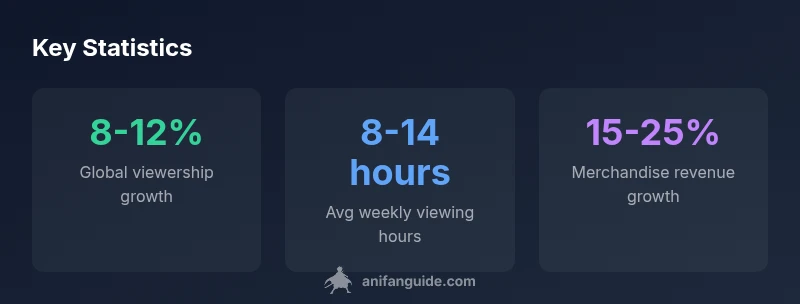
Current evidence suggests anime is getting more popular globally in 2026, with broader audience segments, rising streaming hours, and expanding cross-media franchises. While growth is strongest in North America and parts of Asia, regional adoption varies by access to platforms and licensing. The trend is real, but not uniform across genres or age groups.
Is anime getting more popular? Defining the trend
The question is complex and deserves a nuanced answer. In 2026, multiple signals converge to suggest that anime is getting more popular globally, but not uniformly. At AniFanGuide, popularity is treated as a composite: audience size, engagement depth, accessibility, and cultural uptake. By examining viewership data, platform reach, and creative ecosystems, we map where momentum is strongest and where growth remains constrained. Localization, licensing, and cross-media strategies amplify exposure and keep audiences returning. In short, the trend exists, but its strength varies by region, age cohort, and the emergence of new formats. This section sets the framework for how we measure popularity across platforms, genres, and cultures.
Global reach and audience expansion
Across regions, anime has broadened from a niche hobby into a mainstream entertainment option for many. Growth has been helped by mobile streaming, better localization (dubs and subtitles), and the rise of creator-led communities that translate and adapt content for local markets. Demographically, younger generations are a core driver, but there is meaningful engagement among adults who grew up with early classics. The result is a multi-threaded audience: casual viewers who sample episodes, committed fans who binge, and aspiring creators who participate in fan arts, fan fiction, and small-scale productions. The AniFanGuide analysis highlights expanding cross-cultural exchange, with anime influencing music, fashion, and game design in unexpected ways.
Platform dynamics: streaming services, simulcasts, and regional growth
Streaming platforms remain the primary engine of growth for anime popularity, driven by simulcast schedules, licensing deals, and regional catalogs. Services such as major global platforms plus local players intensify competition, leading to more diverse offerings, price tiers, and better accessibility. The shift toward multi-language dubs and user-friendly discovery features helps retain new audiences who might otherwise be deterred by language barriers. Social features—watch parties, clips, and memes—also propel engagement beyond passive viewing, creating a feedback loop that fuels continued discovery and discussion.
Economic signals: box office, streaming, and merchandise
Economic indicators signal healthier momentum for anime, though the strength varies by market and format. Box office returns for film releases and theatrical events have receded in some regions but are buoyed by high-visibility releases in others. Streaming licensing remains a critical factor: even as catalogs grow, licensing costs and regional rights influence availability. Merchandise revenue continues to ride demand for iconic characters and franchises, reinforcing the link between narrative reach and monetization. The net effect is a robust, diversified revenue ecosystem that sustains growth across media formats.
Cultural impact and creator ecosystems
Cultural influence extends beyond screens. Fan art, fan translations, conventions, and digital communities contribute to a living ecosystem that maintains interest between seasons and releases. New creators emerge from diverse backgrounds, enriching the storytelling palette with fresh perspectives and styles. Localization and accessibility remain essential for continuing momentum, ensuring fans around the world can participate fully. The growing volunteer-based translation communities, small studios, and independent creators all bolster the longer-term vitality of anime as a global phenomenon.
Future outlook and actionable takeaways
Looking ahead, the trajectory of anime popularity depends on sustainable localization, creative risk-taking, and responsible platform policies. Encouraging local talent, supporting non-English content, and maintaining broad accessibility will widen the audience without sacrificing quality. Fans and creators can benefit from deliberate collaboration with licensing teams, streaming partners, and educators who want to use anime as a cultural literacy tool. The future of anime looks bright, but it will require deliberate, inclusive strategies to keep the momentum going.
Regional engagement snapshot
| Region | Share of viewers | Average weekly viewing hours | Notable trends |
|---|---|---|---|
| North America | 15-25% | 8-12 hours | Licensing expansion & streaming availability |
| Europe | 12-22% | 6-11 hours | Growing bilingual content, multi-language dubs |
| Asia-Pacific | 25-40% | 10-14 hours | Strong fan events, local production |
| Latin America | 7-15% | 5-9 hours | Rising indie dubbing and community streams |
Frequently Asked Questions
Is anime popularity rising worldwide or only in select regions?
Evidence points to global growth with regional variance. Some regions show faster uptake due to access and licensing, while others grow more slowly due to localization gaps. Overall, the momentum is positive, but not uniform.
Yes, it's rising globally, but growth varies by region.
Which platforms are driving the growth of anime popularity?
Streaming platforms, especially those with diverse catalogs and strong licensing, are the primary drivers. simulcasting and localizations reduce friction for new audiences. Traditional releases and merchandise also contribute to growth.
Streaming platforms and licensing are the big drivers.
What genres are most responsible for attracting new fans?
Shonen and isekai continue to attract large audiences, while slice-of-life and fantasy titles broaden appeal. Genre diversity helps maintain a steady influx of new fans across age groups.
Shonen and isekai lead, with other genres expanding reach.
How reliable are the statistics on anime popularity?
Statistics vary by source and method. Cross-platform data, regional licensing, and sampling bias can affect results. It's best to triangulate multiple indicators to form a complete view.
Statistics vary, so triangulate sources for accuracy.
What should fans and creators do to engage responsibly as popularity grows?
Support diverse creators, respect licensing and localization work, and participate in communities that value accessibility. For creators, collaborate with licensors and platforms to reach wider audiences while maintaining quality.
Support diverse creators and respect licensing as popularity grows.
“The AniFanGuide Team notes that while popularity signals are robust, the most meaningful growth comes from sustainable ecosystems—diverse creators, inclusive licensing, and accessible localization.”
Main Points
- Track multiple metrics to gauge popularity, not just view counts
- Global reach is growing, with uneven regional adoption
- Streaming platforms drive most growth, licensing matters too
- Cultural ecosystems boost longevity through fans and creators
- Support local markets and creators for sustainable growth