Is it anime or manga? A Practical, Analytical Comparison
Explore the differences between anime and manga, how to tell them apart, and what happens when a story exists in both forms. A practical, analytical comparison for fans and creators navigating cross-media experiences.


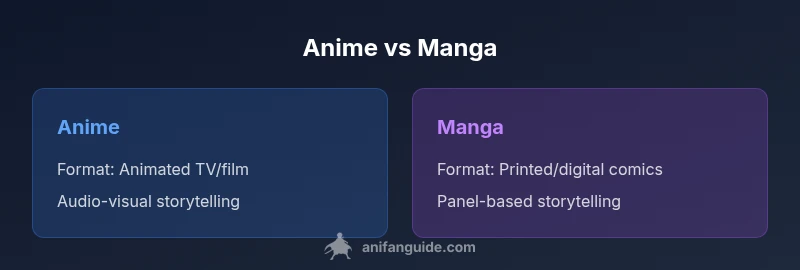
Is it anime or manga? In most cases, anime refers to the animated TV series or films, while manga denotes the original, static comic or graphic novel. The two forms share stories and characters, but differ in pacing, art presentation, and audience habits. When a work exists in both, the choice depends on whether you want motion and voice acting or detailed panels and control over reading pace.
Defining anime and manga
Is it anime or manga? The terms originate in Japan and describe two related but distinct media forms. Anime refers to animated moving images, including TV series, feature films, and shorts, typically produced for broadcast or streaming. Manga refers to serialized or standalone comics presented in sequential panels, usually read from right to left in original Japanese formats or left to right in many translations. While both forms share characters, settings, and recurring narrative arcs, they differ notably in medium, production workflows, and audience experiences. Understanding these definitions is essential for fans who binge-watch a season and then seek out the source material, or for creators planning cross-media projects. The distinction matters not just for labeling, but for expectations around pacing, visual style, and the kind of immersion you’ll experience. For research and fandom, the practical question of “is it anime or manga” often influences how people approach licensing, distribution, and translation quality, all of which shape how stories are perceived across cultures.
Comparison
| Feature | Anime | Manga |
|---|---|---|
| Format | Animated TV/film | Printed or digital comic |
| Visual Language | Movement, voice acting, color | Static panels, linework, lettering |
| Narrative Pacing | Fixed runtime, episodes | Reader-controlled pacing panels |
| Production & Cost | High budget, multiple teams | Lower per-volume production, small team |
| Distribution | Streaming networks, theaters | Publishers, bookstores, digital platforms |
| Audience Engagement | Group viewings, fandom events | Personal reading, annotations, fan art |
| Cross-media Potential | Adaptations, spin-offs, films | Source material for anime exists, manga expansions |
Benefits
- Clear difference helps fans decide where to start
- Both formats complement each other, expanding world-building
- Cross-media options increase accessibility and engagement
- Manga often offers deeper detail and authorial control
- Anime excels in atmosphere, pacing, and performance
What's Bad
- Licensing and translation complexities can complicate access
- Filler episodes in anime can frustrate viewers
- Delays between manga chapters and anime adaptations can disrupt momentum
- Differences in pacing can alter character development across forms
Both formats are valuable; start with the form that matches your preferred experience, then explore the other for full story understanding.
Anime offers immersive motion and sound that heighten mood and pacing, while manga provides detailed storytelling and reader-controlled pacing. A balanced approach—consume both when possible—yields the deepest appreciation of a franchise.
Frequently Asked Questions
What defines anime vs manga?
Anime is the moving, animated adaptation typically released as TV episodes or films. Manga is the original static comic, published as chapters or volumes. Both share stories and characters but differ in medium, pacing, and presentation.
Anime is animation; manga is the original comic. They share stories but feel different in pacing and experience.
Can a title exist as both anime and manga at the same time?
Yes. Some franchises publish manga chapters while an anime adaptation is airing, and some works expand through side stories in both formats. The timing and content may differ due to production schedules and licensing.
Yes, many titles run in both forms—sometimes with synchronized releases, sometimes with differences.
Is there a recommended order for starting with manga or anime?
There isn’t a universal rule. If you value visual pacing and direct immersion, start with the anime. If you want deeper lore and detail, begin with the manga. Many fans enjoy both in sequence.
Depends on what you want first—watch or read; both paths lead to the same world.
How do localization and translation affect the distinction?
Localization can alter humor, cultural references, and tone. Both anime and manga face translation challenges, which can shift nuance. Official translations aim to preserve intent, but differences can influence how you perceive scenes.
Translation matters; it can change tone and humor across both forms.
Are light novels part of this discussion?
Light novels are a separate format between manga and anime, often providing source material or spin-off stories. They can influence how adaptations expand the world but are not the same medium as manga or anime.
Light novels sit between but aren’t the same as manga or anime.
Should beginners read manga before watching the anime?
Not necessary, but it helps set expectations. Reading the manga first can reveal details not shown in the anime, while watching first offers immediate tone and pacing. Choose based on your preferred entry point.
No strict rule—pick the format that suits your appetite for pace or detail.
Main Points
- Identify your preferred pace: reading vs watching
- Manga for detail and world-building; anime for immersion and sound
- Cross-media consumption can enhance understanding and enjoyment
- Check official sources to confirm format and availability
- Plan a cross-media strategy for complex stories