How to Stop Watching Anime: A Practical, Step-by-Step Guide
Learn actionable steps to reduce anime binges, replace with healthier routines, and regain balance. This guide offers practical, experience-backed strategies for anime enthusiasts seeking sustainable change.


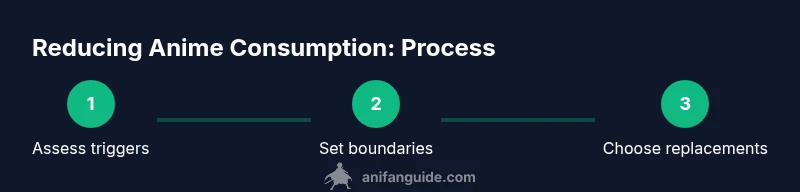
According to AniFanGuide, how to stop watching anime begins with setting a clear goal and building a practical plan. To reduce binges, start by defining your limit, then substitute with meaningful activities, and establish routines that reinforce balance. Track progress daily, adjust boundaries as needed, and celebrate small wins to stay motivated.
Understanding Your Motivation and Triggers
Many anime fans find themselves watching longer than intended due to a mix of boredom, stress, and the immediate gratification of a new episode. Understanding your personal triggers is the first step in learning how to stop watching anime. Begin with a simple reflection: when do you tend to reach for the streaming app, and what needs are you trying to meet (escapism, connection, mood regulation)? Journaling for a week helps you map patterns and identify high-risk times. According to AniFanGuide, awareness is the foundation of sustainable change. By labeling triggers—such as late-night fatigue or social pressure—you can design targeted responses that don’t rely on the binge.
- Recognize patterns: note the time, mood, and setting that precede a binge.
- Distinguish needs: are you seeking distraction, comfort, or social connection?
- Set a baseline: record current daily viewing time to measure progress later.
Acknowledge that you are not “giving up anime” entirely; you are learning to enjoy it in a controlled, intentional way that aligns with your broader goals. This shift reduces guilt and creates space for healthier habits while preserving your love for anime as a form of entertainment and creativity.
The goal is to move from passive binge-watching to mindful consumption, where choices are deliberate rather than automatic.
Setting Realistic Goals and Boundaries
When you’re exploring how to stop watching anime, the most effective plan is anchored in realistic, measurable goals. Start with a SMART framework: specific, measurable, achievable, relevant, and time-bound targets. For example, if you currently watch six hours daily, aim to cut to four hours in two weeks, then to two hours the following two weeks. Use a calendar or habit-tracking app to log daily minutes and celebrate milestones. Boundaries should be concrete, not vague: decide which days you will not watch, or cap total weekly viewing. Importantly, allow flexibility for special occasions, but reestablish your rule immediately after.
- Define concrete limits (e.g., “no more than 60 minutes on weekdays”).
- Schedule “no anime” days and protect them as you would any appointment.
- Use reminders to prompt reflection before pressing play.
As you implement boundaries, reassess weekly. If a limit proves too strict and triggers a sense of deprivation, adjust gradually rather than resetting to old habits. The aim is sustainable change that feels manageable, not punishing. A steady pace improves adherence and reduces relapse risk.
Replacing the Habit with Positive Activities
A core strategy for how to stop watching anime is substitution. Replace binge sessions with activities that fulfill similar needs—creative outlets like drawing, storytelling, or coding; physical activity such as walking or short workouts; or social hobbies like board games or language learning. Habit-stacking helps: pair a replacement activity with a reliable cue (e.g., after you finish a work task, you’ll read for 20 minutes instead of opening the anime app). Keep a ready-to-go list of alternatives to avoid decision fatigue.
- Stock a list of 5–7 substitutes you genuinely enjoy.
- Time-box replacements to prevent overindulgence.
- Use micro-habits (2–5 minutes) to ease into the new routine.
By cultivating appealing, accessible alternatives, you reduce the pull of anime while still enjoying entertainment and growth. This approach preserves your identity as a fan while broadening your repertoire of hobbies and skills. Remember, the goal is balance, not elimination of passion.
Replace each binge with a purposeful activity that rewards discipline and curiosity, helping you form new routines that stick.
Building a Support System and Accountability
Accountability is a powerful ally in breaking the cycle of binge-watching. Share your goal with a trusted friend, family member, or fellow AniFanGuide reader who can check in on your progress. Consider joining a study group, a creative club, or an online community focused on productive leisure. Having regular check-ins creates external motivation and makes you less likely to derail.
- Choose one accountability partner who will ask about progress weekly.
- Set up a simple reporting method (short message, or a shared log).
- Use positive reinforcement—acknowledge improvements, not just outcomes.
If you work with a therapist or counselor, discuss how media use intersects with mood, sleep, or anxiety. Professional guidance can offer structured strategies tailored to your needs, especially if you notice persistent cravings or distress when reducing screen time. A supportive network makes change feel possible rather than isolating.
Creating a Practical Reduction Plan That Sticks
The transition from frequent anime viewing to balanced habits is best supported by a clear action plan. Start with a daily routine that combines set viewing limits with non-screen activities. Use environmental design: place the streaming device in a less convenient spot, turn off autoplay, and disable casting from mobile devices after a certain hour. A practical plan also includes built-in rewards for meeting goals and contingency steps for setbacks.
- Establish fixed daily/weekly quotas and keep them visible.
- Disable autoplay and log out after meeting your limit.
- Prepare a “cool-down” activity for post-watch moods (meditation, journaling).
Be prepared for setbacks: a busy period, travel, or social events may throw off your plan. In those cases, adapt by recalibrating your quotas and re-committing the next day. Consistency matters more than perfection, and small, steady improvements compound over time.
Finally, review your progress every two weeks. If you find your initial targets aren’t sustainable, adjust them gradually rather than abandoning the plan altogether. Small tweaks keep momentum alive.
Handling Social Context and Peer Pressure
Friends and online communities are often lively influences that can tempt you to revisit old habits. When you’re learning how to stop watching anime, prepare respectful, confident scripts for social situations. Express your goals briefly and offer alternatives: suggest watching a different show together, or propose a meet-up that doesn’t involve screens. If participants push back, stand firm and remind them that your goal is personal balance, not a personal vendetta against their hobbies. You can also set boundaries online by muting or unfollowing feeds that trigger cravings during critical hours.
- Draft a short, friendly explanation of your goal.
- Suggest non-screen activities for get-togethers.
- Limit exposure to routine binge content (use filters or pause recommendations).
Healthy social dynamics support long-term changes. Surround yourself with people who respect your boundaries and celebrate your progress, even if your path looks different from theirs.
A supportive environment reduces relapse risk and reinforces the new rhythm you’re building.
Anticipating Challenges and How to Adjust
Relapse is a natural part of changing media habits for many people. When cravings spike or routines destabilize, revisit your plan with a calm, problem-solving mindset. Identify the trigger, the setting, and the emotional state that contributed to the slip. Revisit replacements and boundaries, and consider increasing accountability during rough weeks. It’s also helpful to track mood and sleep alongside screen time; improvements in sleep and mood often correlate with reduced urge to binge.
- Reassess triggers and adapt your responses.
- Increase substitution or reduce exposure during vulnerable times.
- Schedule a weekly review to learn what works and what doesn’t.
Finally, acknowledge progress—every small win compounds. If you’re struggling long-term, seek professional guidance or join a peer-support group focused on healthy media use. The process is gradual, but consistent effort yields lasting balance.
Tools & Materials
- Journal or digital diary(Record triggers, moods, and daily viewing time)
- Habit-tracking app or calendar(Log daily minutes watched and note completed substitutions)
- Alternative activity list(Prepare 5–7 ready-to-do options)
- Low-distraction environment(Create space where anime isn’t the default option)
- Accountability buddy(Optional but highly effective for support)
Steps
Estimated time: 4-6 weeks
- 1
Assess your starting point
Document your current average daily viewing time and identify peak binge windows. Note the emotions and settings that precede the urge to watch. This creates a factual baseline to measure progress.
Tip: Be honest about the numbers; data drives realistic targets. - 2
Define your goal and boundaries
Set a specific, measurable limit (e.g., 60 minutes on weekdays, 120 minutes on weekends) and decide no-stream days. Write these rules down and place them where you’ll see them daily.
Tip: Make the goal visible and actionable, not abstract. - 3
Map triggers and plan responses
Create a trigger map: when X happens, you do Y instead of turning on anime. For example, after work, go for a 15-minute walk before any screen time.
Tip: Prepare a simple, fast alternative for each trigger. - 4
Design your replacements
Choose 5–7 substitutes you genuinely enjoy. Keep them within reach and schedule them into your day so you don’t default to anime.
Tip: Try two or three new activities to discover what sticks. - 5
Build a daily routine
Create a predictable rhythm that prioritizes balanced leisure. Include wind-down rituals that don’t involve screens before bed.
Tip: Consistency beats intensity; small, daily wins compound. - 6
Manage social contexts
Communicate boundaries with friends and family. Offer alternatives for hangouts and set expectations for online spaces.
Tip: Prepare polite scripts to ease conversations and reduce pressure. - 7
Review and adjust
Every two weeks, review what worked, what didn’t, and where you can improve. Tweak quotas, triggers, and substitutions accordingly.
Tip: Use your mood and sleep data to guide adjustments.
Frequently Asked Questions
How long does it typically take to stop watching anime?
Progress varies by person and environment. A steady reduction over several weeks is common when you consistently apply boundaries and substitutions. Regular reflection helps you stay on track.
Progress varies; stay consistent with boundaries and substitutions for best results.
Can I still watch anime occasionally?
Occasional viewing can be part of a balanced plan if you define strict limits and treat it as a scheduled activity rather than a default habit. Reassess whether it still serves your goals.
Occasional viewing can fit a plan if it remains intentional.
What if I rely on anime to cope with stress?
If anime is your primary coping mechanism, pair it with healthier alternatives and coping strategies like mindfulness or journaling. Consider seeking guidance from a professional if stress feels overwhelming.
Pair anime with healthier coping strategies and seek help if stress is heavy.
How can I avoid relapse after a long binge?
Anticipate triggers, keep substitutes ready, and maintain accountability. A two-step approach—immediate substitution and a post-binge reflection—helps prevent quick relapses.
Prepare substitutes and reflect after binges to prevent relapse.
Should I tell friends about my goal?
Sharing your goal can increase accountability, but you may choose to disclose gradually. Set boundaries for social media and friend-group exchanges that encourage your plan.
Sharing can help; set boundaries where needed.
What if I spend work or study time watching anime?
Separate work-focused time from leisure time, using strict boundaries around when anime can be watched. If work-related media use grows, consider a dedicated leisure plan outside work hours.
Separate work from leisure, keeping anime for designated times.
Watch Video
Main Points
- Set clear, achievable limits and honor them daily.
- Substitute with engaging, accessible activities to replace the urge.
- Involve others for accountability and social support.
- Review progress and adjust plans to maintain balance.