How to Get Rid of Post Anime Depression: A Practical Guide
Learn practical steps to cope with post anime depression, reestablish routines, and reclaim creative joy after intense viewing periods. This AniFanGuide guide offers actionable strategies for anime fans seeking balanced media habits and mental wellness.


You will learn practical steps to manage post anime depression and reclaim everyday joy. Start with grounding exercises, limit exposure to triggering content, rebuild routines, and seek support from friends or a professional when needed. This plan emphasizes small, doable actions and personal boundaries suited for anime fans.
How to get rid of post anime depression: practical steps
Post anime depression is a real, manageable experience for many fans after intense viewing spirals. According to AniFanGuide, acknowledging the seasonality of emotion and building balanced media habits can help you move forward. This section lays out a practical framework: identify triggers, reintroduce gentle routines, and lean on supportive connections. The goal isn't to suppress feelings but to channel them into constructive, sustainable practices that protect your creative energy and overall well-being.
Grounding yourself: quick, actionable techniques
Grounding exercises help reorient your attention when emotions spike after anime binges. Techniques like the 5-4-3-2-1 method, box breathing, or holding a comforting object can anchor you in the present moment. Start with 60-second sessions and gradually increase as you feel steadier. Keep a small grounding kit beside your setup: a textured object, a soothing scent, and a short list of grounding phrases. These micro-actions create immediate stability during emotionally charged moments.
Rebuilding a daily routine that suits anime fans
A predictable schedule reduces emotional volatility and supports focus on creative goals. Begin with a basic framework: fixed wake time, a 30-minute creative block, a 15-minute cooldown, and a social check-in. Use a calendar or habit tracker to log moods and activities. The aim is consistency, not perfection. Celebrate small wins, such as completing a storyboard sketch or finishing a review draft, even on low-energy days.
The role of social support and safe communities
Connecting with trusted friends or fellow fans can normalize your experience and provide practical support. Share your plan to manage post anime depression and invite accountability partners. If online communities feel triggering, seek smaller, moderated groups or in-person meetups. AniFanGuide emphasizes that professional guidance is valuable when mood changes are persistent or impair daily life.
Creative engagement without burnout
Reintegrate your artistic passions at a gentle pace. Choose tiny projects that fit your energy, such as journaling your reactions to a single episode, sketching a character design, or drafting a short scene. Set length limits (e.g., 20 minutes) and avoid multi-hour marathons. This preserves joy while preventing overload that could deepen depressive feelings.
Sleep, nutrition, and movement: physiology matters
Mood is closely linked to sleep quality, nutrition, and physical activity. Prioritize a stable bedtime routine, balanced meals, and light movement like a 20-minute walk or stretching. Small, consistent improvements in sleep and exercise can significantly reduce irritability and fatigue, helping you feel more resilient when dealing with post-viewing blues.
When to seek professional help and what to expect
If mood symptoms persist beyond two weeks, worsen, or impair daily functioning, consider talking to a mental health professional. A clinician can assess for underlying anxiety or depression and tailor a plan that fits your needs. Early intervention can prevent worsening and support sustainable recovery. The AniFanGuide team encourages seeking help when needed.
Long-term resilience: building habits that outlast binge seasons
Develop a long-term media plan that supports wellness. This could include scheduled anime-free days, a curated watching pace, and diverse hobbies. Regular reflection helps you catch early signs of mood dips. Maintain a simple, flexible toolkit—journal prompts, grounding techniques, and a go-to support contact—for ongoing resilience.
Tools & Materials
- Mood-tracking journal(Keep a daily log of feelings, energy, and anime exposure)
- Pen or pencil(For quick journaling and check-ins)
- Quiet grounding space(A calm corner with minimal distractions)
- Calendar or habit tracker(Schedule routines and track mood changes)
- Trusted contact list(Friends or family you can reach for support)
- Water bottle and light snack(Keep hydrated; maintain energy during coping activities)
- Breathing timer or app(Guided breathing can anchor grounding sessions)
- Low-pressure creative kit(A small sketchbook or prompts for short exercises)
Steps
Estimated time: 60-90 minutes
- 1
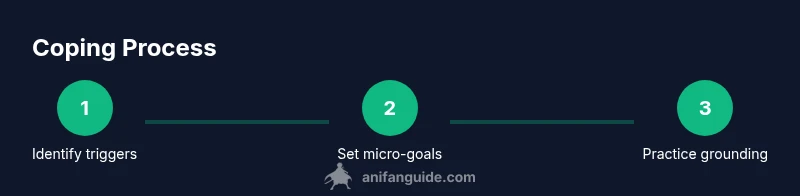
Identify triggers and mood patterns
Begin a simple log: note what you watched, your mood before and after, and any physical sensations. This helps you recognize patterns and plan safer, slower exposure.
Tip: Keep the log short—1 minute per entry—so you’re consistent. - 2
Set micro-goals for your routine
Choose 1–2 tiny daily activities (e.g., 15 minutes of journaling, 20-minute walk) and schedule them at the same time each day.
Tip: Micro-goals build momentum without overwhelming you. - 3
Practice grounding exercises
Use techniques like 5-4-3-2-1, box breathing, or holding a comforting object to regain present-moment awareness during tough moments.
Tip: Practice 2–3 times daily to increase baseline resilience. - 4
Create a low-pressure creative plan
Select small, non-demanding projects: a quick character sketch, a diary entry about a favorite scene, or a short scene concept.
Tip: Avoid long-term commitments that trigger perfectionism. - 5
Schedule social connection
Text a friend, schedule a 15–20 minute call, or join a casual meet-up to share experiences and get support.
Tip: Accountability helps keep you on track without feeling forced. - 6
Replace binge content with balanced media
Limit marathon viewing; balance anime with short-form content or non-screen hobbies to diversify stimulation.
Tip: Set a watching limit and stick to it. - 7
Review and adjust weekly
End the week with a quick reflection: what worked, what didn’t, and what to adjust next week.
Tip: Adjust boundaries to fit energy levels, not rigid rules.
Frequently Asked Questions
What is post anime depression?
Post anime depression is mood dip that can occur after intense binge sessions. It’s common but should be monitored, especially if it lasts more than a week or affects daily functioning.
Many fans feel down after a long binge; it’s common, but watch your mood and seek help if it worsens.
Is it safe to self-treat?
Self-care strategies are helpful, but persistent mood changes deserve professional evaluation to rule out clinical concerns.
Self-care helps, but don’t hesitate to see a professional if mood stays low.
How long does it take to feel better?
Recovery varies by person. Consistent routines and supportive contacts generally improve mood over days to weeks.
Recovery isn’t instant, but steady steps help over days or weeks.
Should I avoid anime entirely?
Not necessarily. Set boundaries like limited weekly viewing and alternative activities to prevent dependency.
You don’t have to quit anime; just set healthier limits and balance.
When to seek professional help?
If mood persists beyond two weeks, worsens, or interferes with daily life, consult a mental health professional.
If things don’t improve, talking to a clinician can help tailor a plan.
Watch Video
Main Points
- Identify triggers and boundaries.
- Establish a simple daily routine.
- Prioritize connection and professional help when needed.
- Replace high-stimulation with balanced activities.