How to Stop Anime Addiction: A Practical Guide for Balance
Explore evidence-based strategies to reduce excessive anime viewing, build healthier routines, and regain balance. Practical steps, supportive guidance, and real-world tips from AniFanGuide to help you stop anime addiction without feeling deprived.


If you want to stop anime addiction, start with a clear goal, set daily/weekly viewing limits, replace binge sessions with engaging alternatives, and enlist supportive accountability. This plan emphasizes gradual changes, structured scheduling, and habit-building to restore balance while keeping anime as a positive hobby.
How to stop anime addiction: Practical steps for balance
According to AniFanGuide, many fans experience cycles of binge viewing that disrupt sleep, study, and relationships. The first step in learning how to stop anime addiction is to acknowledge the pattern and commit to a gradual, personalized plan. This guide uses practical strategies, built on evidence-informed methods and the team’s insights from AniFanGuide Analysis, 2026, to help you regain control without feeling deprived. By combining goal setting, time management, and supportive accountability, you can shift from reactive viewing to intentional consumption. This approach recognizes that anime is a hobby—not a moral failing—and emphasizes sustainable changes, triggers, and replacement activities. The AniFanGuide team notes that small, repeatable steps outperform drastic cuts, making progress feel achievable day by day.
Identify your triggers and define a sustainable goal
A crucial part of learning how to stop anime addiction is pinpointing what sparks binge sessions: stress, boredom, or social cues like new episode drops. Set a realistic, measurable goal such as reducing daily viewing by a fixed amount or allocating only specific time windows for anime. This step creates a concrete starting point and reduces guilt when slips occur. Revisit your goal weekly and adjust it based on progress and life circumstances. The emphasis is on consistency, not perfection. As you set goals, consider how anime fits your values and what balance would look like in your daily routine.
Build a structured schedule that protects time for other activities
Design a weekly plan that blocks time for work, study, exercise, and social connection before you allow new anime sessions. Scheduling creates a proactive pattern rather than a reactive impulse. Use reminders and a visible calendar to keep you honest about time spent. If a release drops unexpectedly, you can watch it in a pre-allocated window rather than letting it derail the entire day. This is a practical application of the principle that time is a resource you manage, not an endless horizon you exhaust.
Deploy digital boundaries and supportive accountability
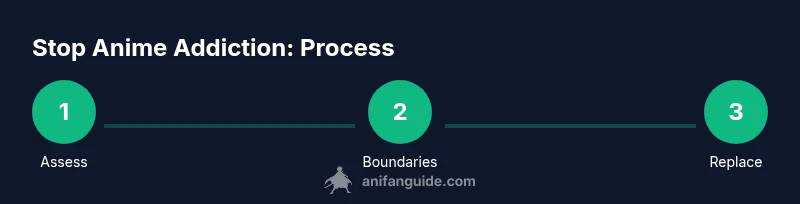
Boundaries help keep you honest without feeling punitive. Use app blockers or device limits during productive hours and create a cooling-off period after watching sessions to prevent impulsive replays. Enlist an accountability partner—someone who checks in weekly and helps you stay on track. Share your goals and progress openly so you have social reinforcement. The combination of boundaries and accountability is proven to improve adherence to healthy routines while preserving your enjoyment of anime.
Replace empty viewing with meaningful alternatives
To sustain change, fill the time previously spent on binge watching with activities you find truly rewarding. Try practical hobbies that also align with anime interests, such as drawing fan art, writing reviews, learning a new skill, or joining a local club. These substitutes offer dopamine boosts, social engagement, and a sense of accomplishment. Regular engagement in fulfilling activities makes it easier to decline impulsive viewing without feeling deprived.
Track progress, reflect, and iterate
Keep a simple log of daily viewing time, moods, and completions of planned activities. A weekly reflection helps you see patterns and celebrate small wins. If you notice persistent triggers, adjust your boundaries or substitute activities accordingly. The aim is steady improvement over time, not overnight perfection. When needed, revisit your goals and recalibrate to maintain motivation and momentum.
Seek support and know when to seek professional help
If binge cycles persist and impair daily functioning, consider speaking with a counselor or therapist who specializes in digital wellness or behavioral health. Professional guidance can provide personalized strategies, coping skills, and accountability plans. Remember that seeking help is a strength, not a weakness, and many people benefit from structured support on their journey to healthier media habits.
Tools & Materials
- Calendar or planner (digital or paper)(Block time for daily routines and anime sessions; review weekly.)
- Time-tracking tool or journal(Record viewing time, mood, and completed alternatives.)
- Device blockers or boundaries tools(Set limits during work/study hours and at night.)
- Accountability partner (friend, family member, mentor)(Regular check-ins to maintain progress.)
- List of alternative activities(Pre-plan hobbies aligned with interests (art, writing, sports).)
Steps
Estimated time: 6-8 weeks
- 1
Assess baseline and set a clear, achievable goal
Begin by measuring average daily viewing time and identifying peak binge moments. Define a specific, measurable goal such as reducing daily viewing by 20-30% over the next two weeks. Document your baseline in a journal to track progress.
Tip: Write down one personal reason for reducing anime time to reinforce motivation. - 2
Map your viewing patterns and triggers
Record when, where, and why you watch anime each day for one week. Look for patterns, such as late-night sessions or after stressful events. This map will guide where to insert boundaries and substitutes.
Tip: Identify two high-risk triggers and plan a specific counter-action for each. - 3
Set concrete time limits and apply boundaries
Choose fixed time blocks for anime (e.g., 2 sessions per week) and stick to them. Use device limits during high-risk hours and disable autoplay. Boundaries should be visible and easy to follow.
Tip: Place reminders before the session ends to prompt a conscious choice. - 4
Install blockers and enforce rules
Activate blockers during non-designated times and during study/work blocks. If you can't circumvent them, switch to a pre-approved alternative activity instead of attempting a workaround.
Tip: Keep a fallback activity list handy to reduce friction when a blocker activates. - 5
Fill time with meaningful alternatives
Prepare a menu of activities you enjoy that compete with anime time—sketching, coding a small project, or exercising. Pick at least one activity to engage daily.
Tip: Start with a 15-20 minute activity to build momentum. - 6
Track progress and reflect weekly
Review your log every 7 days. Note wins, challenges, and any adjustments to goals or boundaries. Use reflections to refine your plan for the next week.
Tip: Celebrate small wins to maintain motivation. - 7
Leverage support networks
Share goals with a trusted friend or family member and schedule regular check-ins. Use shared progress updates or accountability chats to stay on track.
Tip: Choose an accountability partner who responds consistently. - 8
Evaluate and adjust goals
Every two weeks, reassess your goals based on progress and life changes. If you’re meeting targets comfortably, increase the challenge gradually to sustain growth.
Tip: Progress may be non-linear—keep going even after minor setbacks.
Frequently Asked Questions
What counts as anime addiction, and how is it different from normal viewing?
Anime viewing becomes problematic when it consistently disrupts daily life, sleep, work, or relationships. If viewing feels out of control despite negative consequences, it's worth treating as a pattern to address rather than a casual hobby.
If anime is interfering with daily life, consider it a pattern to address, not just a hobby.
Can I stop watching anime completely, or should I aim for moderation?
Moderation is often more sustainable than complete abstinence. Start with clear limits and alternatives, then reassess whether a complete stop is necessary for your goals.
Moderation is usually more practical than quitting entirely, unless personal reasons demand complete abstinence.
How long does it typically take to reduce viewing time?
Progress varies by person. Consistent application of boundaries and substitutes typically yields noticeable changes within several weeks, with continued improvement over a couple of months.
Most people see steady progress within a few weeks, with bigger changes over a couple of months.
Should I seek professional help for anime addiction?
If you struggle to maintain control, experience withdrawal-like symptoms, or if viewing leads to significant distress, consulting a mental health professional can provide tailored strategies and support.
Professional help can offer personalized strategies if viewing patterns feel unmanageable.
What are good substitutes for anime that still satisfy the need for storytelling or art?
Try activities that offer narrative or creative engagement, such as writing fan fiction, creating artwork, learning a new skill, or watching different genres in moderation to diversify your entertainment habits.
Substitute activities like art or storytelling can satisfy your creative needs while reducing screen time.
Watch Video
Main Points
- Set a clear, measurable goal to stop anime addiction
- Use boundaries and blockers to protect productive time
- Replace idle hours with meaningful, enjoyable activities
- Track progress weekly and adjust goals as needed