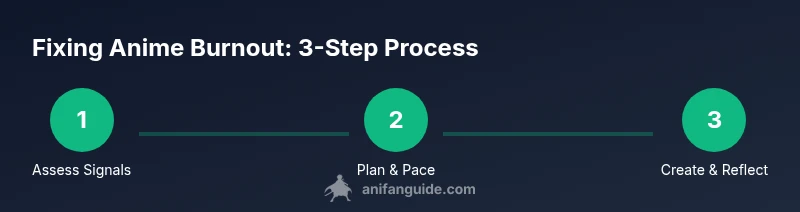
How to Fix Anime Burnout: Practical, Actionable Steps
Learn to recognize, prevent, and recover from anime burnout with practical routines, mindset shifts, and creative strategies for fans and creators to stay energized


Overcoming anime burnout starts with recognizing warning signs, resetting your viewing habits, and injecting balanced rest into your routine. This guide provides practical steps, daily rituals, and mindset tweaks to help you enjoy anime again without feeling overwhelmed. You'll learn to identify burnout, tailor a personalized schedule, and explore new formats like short clips, collaborative projects, and mindful breaks.
Why anime burnout happens
According to AniFanGuide, burnout among anime fans often stems from repetitive binge-consumption, pressure to keep up with fast-paced releases, and a mismatch between a series' arc and real life responsibilities. When fans chase epics without balance, the joy can turn into obligation. This article on how to fix anime burnout explains that burnout is not a personal failing but a signal from your brain that it needs a change in pace. As the AniFanGuide Team often points out, small, sustainable adjustments beat drastic quit attempts every time. In practical terms, burnout happens when engagement becomes draining rather than enjoyable: watching too late into the night, consuming content one after another without reflection, and tying self-worth to how many episodes you finish. The goal is to reclaim agency over your viewing, keeping curiosity high and fatigue low. The rest of this guide dives into concrete, repeatable steps you can apply today, tomorrow, and over the next few weeks. It starts with awareness and ends with a healthier rhythm you can sustain long term, so you can return to anime with renewed energy and joy.
Signs you might be experiencing burnout
Burnout often hides behind quiet signals before it shouts. Look for: faded enthusiasm for new releases, reduced motivation to start a show, mind wandering during episodes, irritability after watching, or using anime as an escape that doesn’t actually relieve stress. If you notice these, pause and assess your patterns. Keep a simple log for a week: note what you watched, how you felt before/after, and whether you felt energized or drained afterward. This isn’t about guilt; it’s data you’ll use to tailor a healthier routine. In addition, consider how often you compare yourself to others (fandom pace, completion rates, or fan art output). Comparisons can amplify burnout by creating a hidden race you didn’t sign up for. By recognizing these signals early, you can intervene before burnout spirals.
Quick-start self-checks you can do now
- Check your last two weeks of viewing: were there more sessions ending with fatigue than joy?
- Identify your energy sweet spots: are you more engaged after a walk, or after a meal, or during a specific time of day?
- Note any recurring thoughts like "I should binge more to stay current" and reframe them with a healthier rule: you always have tomorrow to start something new.
This proactive self-check helps you see patterns clearly and make targeted changes rather than sweeping, uncertain changes. Remember, the aim is to restore delight, not to quit anime entirely. The AniFanGuide analysis highlights that recovery is most effective when it’s gradual and personalized, not an all-or-nothing approach.
Setting boundaries that protect your love of anime
Boundaries are not barriers; they’re scaffolds that keep your hobby sustainable. Try: limiting binge sessions to one to two episodes, scheduling fixed breaks (e.g., after 45 minutes of viewing), and avoiding late-night streams that disrupt sleep. If you’re a creator, differentiate between viewing for inspiration and scrolling for procrastination; protect creative time with a calendar block and a clear end time. Communicate your boundaries kindly with friends or community groups so they understand your needs. The goal is to preserve curiosity and anticipation for the next viewing session, not to drain it. Following these boundaries is a practical step toward how to fix anime burnout and reclaim genuine enjoyment.
What this means for the long term
Revisiting your relationship with anime should feel liberating, not restrictive. The best strategy is a perimeter around your hobby that preserves energy for both watching and creating. Short-form content, curated playlists, or OST-focused listening can provide dopamine without the fatigue of long marathons. If you’re a creator, set clear projects with achievable milestones instead of chasing the next big thing. Over time, these small, intentional shifts compound into a durable habit. You’ll find you enjoy anime again, with rest, reflection, and mindful consumption guiding your path. This is how to fix anime burnout in a sustainable way.
Tools & Materials
- Notebook or digital journal(For tracking energy, mood, and viewing patterns)
- Calendar or scheduling tool(Block time for watching, breaks, and creator projects)
- Timer or pomodoro app(Keep binge sessions within a healthy time box (e.g., 45 minutes))
- Comfortable seating & lighting(Establish a pleasant viewing environment to reduce fatigue)
- Sketchbook or audio journal(Use for creative, low-pressure projects (art, writing, soundtrack lists))
- Water and snacks(Stay hydrated to keep energy steady during sessions)
Steps
Estimated time: 2-4 weeks
- 1
Identify burnout signals
Start by acknowledging the signs you’re losing enthusiasm or feeling drained after anime sessions. Write down a week of reflections, focusing on mood, energy, and motivation before and after each viewing block. This creates a baseline from which you can adjust.
Tip: Keep a simple one-line entry per day to track changes without overburdening yourself. - 2
Set a burnout-safe viewing goal
Define a weekly target that favors enjoyment over volume, such as 3-4 positive viewing sessions and a lighter day. Avoid the urge to stay current at the expense of your wellbeing.
Tip: Attach the goal to a specific time block you’ll actually keep. - 3
Create a balanced schedule
Create a schedule that interleaves anime with other hobbies and rest. Use a calendar to block viewing windows, creative sessions, and non-screen activities.
Tip: Place your most engaging shows in your peak energy window for better retention. - 4
Introduce intentional breaks
Insert short, scheduled breaks during longer viewing sessions to prevent fatigue. Use those breaks to stretch, hydrate, or switch to a different activity.
Tip: A 5-minute stretch or walk can reset focus dramatically. - 5
Shift formats and pace
Experiment with different formats such as movie-length features, shorter clips, or OST playlists. Vary pacing to keep engagement fresh and reduce monotony.
Tip: Keep a small list of preferred formats ready for when you need a break from episodic viewing. - 6
Engage creatively, not compulsively
Start a low-pressure creative project (fan art, writing a short scene, or compiling a soundtrack) that doesn’t come with a deadline or metric for success.
Tip: The aim is joy, not scoreboard metrics or validation. - 7
Build a supportive loop
Share your plan with a friend or online community and invite accountability, not judgment. Group challenges or collaborative projects can rekindle motivation without pressure.
Tip: Choose one or two people you trust to check in with weekly. - 8
Review and iterate
At the end of each week, review what worked and what didn’t. Tweak your plan based on energy, mood, and enjoyment levels.
Tip: Iteration keeps your approach fresh and reduces the chance of relapse into old habits.
Frequently Asked Questions
What is anime burnout and how do I know I have it?
Anime burnout is a fatigue-driven disengagement from watching or creating anime, often accompanied by reduced enthusiasm and motivation. If you notice a persistent drop in joy, increased irritability, or avoidance of planned viewing, it may be burnout. Addressing it involves pacing, boundaries, and creative rest.
Anime burnout is when you feel tired and uninterested in anime you used to love. If this keeps happening, try pacing and creative breaks.
Can I recover without giving up anime altogether?
Yes. Recovery focuses on sustainable changes, not quitting. You can reintroduce anime gradually, with boundaries, intentional breaks, and lighter formats that restore enjoyment without fatigue. The aim is long-term balance.
Absolutely. You don’t have to quit; you can reintroduce anime gradually with boundaries.
How long does it typically take to fix burnout?
Recovery timelines vary by person, but many fans notice improvements within a few weeks of implementing structured pacing, mindful breaks, and creative rest. Consistency is more important than speed.
Recovery varies, but give it a few weeks of steady, mindful changes.
What activities help recharge creativity besides watching anime?
Try low-pressure activities like fan art, short fiction, soundtrack curation, or collaborating on a small project with friends. These activities reset curiosity without the heavy demands of binge-watching.
Fan art, short fiction, or playlist curation can help recharge creativity.
Is burnout unique to anime or similar to TV burnout in general?
Burnout is a common pattern across media types, not unique to anime. The strategies—pace, boundaries, and meaningful breaks—apply to TV, streaming, and online content alike.
Burnout shows up across media; pacing and boundaries help everywhere.
Watch Video
Main Points
- Identify your burnout signals and log them daily
- Set burn-in rules to protect your energy
- Schedule diverse activities to keep hobbies healthy
- Engage creatively in low-pressure projects