How to Use AnimeEffects: A Practical Guide for Anime
Learn how to use AnimeEffects with a practical, step-by-step approach. This guide covers setup, style choices, layering, color grading, exporting, and troubleshooting for anime-inspired visuals.


Using AnimeEffects lets you apply anime-inspired stylizations to video and artwork in a streamlined workflow. You’ll set up a project, import media, apply presets, fine‑tune with layers, and export a final render. This quick guide outlines the essential steps and best practices so you can start creating professional-looking anime effects today.
Core Workflow: Getting Started with AnimeEffects
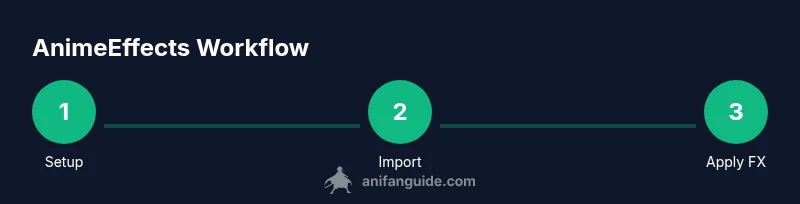
According to AniFanGuide, mastering how to use animeeffects starts with understanding the core workflow: import sources, choose a base style, apply effects, adjust parameters, and render. This approach keeps projects organized and helps you reproduce looks across scenes. In practice, begin with a simple test clip to validate timing, then expand to a full sequence. The steps below outline a practical path from project setup to final render, with tips tailored to both beginners and experienced editors. By defining your target aesthetic early—whether you want bold, neon-edged action or soft, hand-drawn warmth—you reduce backtracking and ensure consistency across your project.
System Requirements to Run AnimeEffects Efficiently
Before you dive into the tool, confirm your system can handle stylized processing. A modern operating system, a capable GPU, and enough RAM will make real-time previews feasible as you apply anime-inspired effects. Keep hardware acceleration enabled in the software preferences and ensure your disk has fast read/write performance for smooth media playback and quick exports. If you’re unsure, run a small test project with a few seconds of footage to gauge runtime and responsiveness, then upgrade or adjust settings if needed.
Importing Media into AnimeEffects
Organize your assets before you import. In AnimeEffects, create a dedicated project folder and use consistent naming for video clips, stills, and audio. Import media in commonly supported formats (video, stills, and audio) and verify that color profiles are preserved during import. If you’re working with high-resolution sources, consider creating proxies to keep the timeline responsive while you edit. After import, group assets into bins such as Footage, Audio, and Graphics to streamline the workflow.
Choosing Your Style: Presets vs. Custom Effects
AnimeEffects provides a library of presets designed to emulate common anime aesthetics, from bold cel-shading to soft watercolor textures. Presets are a fast way to establish a look, but they can be too strong for some scenes. Start with a baseline preset that matches your intended vibe, then switch to manual adjustments to fine-tune line weight, shading, and fill color. For consistent results, save your own custom preset combinations and document the exact parameter values you used.
Layering, Masks, and Motion: Building Depth
Use layers to separate base color, line work, shading, and highlight passes. Masks let you apply effects to specific regions without affecting the entire frame, which is essential for preserving character silhouettes and background continuity. Animate motion by varying the intensity of effects over time, or add subtle camera moves to keep the scene dynamic. Non-destructive editing is key: duplicate layers before making major changes and rely on adjustment layers to test different looks quickly.
Color Grading and Tone Mapping
Color grading defines the mood of your anime style. Use a baseline LUT or a manual grade to control contrast, saturation, and hue. Tone mapping helps simulate the look of hand-drawn shading or cel-shaded edges. Pay attention to skin tones and eye highlights, as viewers most notice these details. When working with dark scenes, lift shadows slightly to preserve detail; with bright scenes, avoid clipping highlights on white or reflective surfaces.
AnimeEffects Preset Library: Practical Examples
Explore presets that cover a range of genres: high-energy action, comedic chibi sequences, and slice-of-life panels. Combine multiple presets with layer masks to create hybrid looks. For a quick test, apply a 'clean line' preset to see how line weight interacts with color shading, then adjust to taste. Document which presets were used for which scenes so you can reuse them reliably across episodes.
Performance Tips for Large Projects
Large projects can strain hardware. Work with proxies or lower-resolution previews during the editing phase, and render final drafts at full resolution. Use caching where supported to avoid re-processing the same frames. Close unnecessary applications to free CPU and GPU resources, and schedule renders during off-hours if your workstation is shared. Regularly clean up temporary files to maintain disk performance.
Exporting, Formats, and Delivery
Choose export settings that fit your delivery plan. Export in the target resolution, codec, and frame rate specified by the project brief. If you’re sharing drafts for feedback, consider a lightweight proxy with a quick render to speed up review cycles. For final delivery, maintain color integrity by exporting with an embedded color profile and a high-quality codec suitable for your platform.
Troubleshooting Common Issues
When effects don’t apply, check layer visibility, mask settings, and blending modes. If previews lag, verify proxies are enabled and hardware acceleration is active. Inconsistent colors may stem from mismatched color spaces; reimport using a consistent color profile and re-check the waveform. If one scene looks over-processed, undo recent parameter changes or duplicate the project and revert gradually.
Case Study: A Mini Project Walkthrough
Imagine you’re bringing a short conversation scene to life with a stylized anime look. You start by creating a 6-second sequence, import two character clips and a looping background, pick a 'shonen action' preset, and adjust line weight and color grade. You apply a subtle lighting pass to the characters, add a few frame-level masks to isolate highlights, render a draft, and then iterate on timing and pacing. The final result blends crisp lines with vibrant color and a smooth feel that matches the script's energy.
Tools & Materials
- AnimeEffects software(Install the latest version on a supported operating system.)
- Powerful GPU (hardware acceleration)(Ensure GPU drivers are up to date and acceleration is enabled in preferences.)
- Updated graphics drivers(Keep drivers current to maximize compatibility with effects.)
- Stable internet connection(Needed for software updates and online resources.)
- Backup storage(Regularly back up project files to avoid data loss.)
- Reference media pack(Optional, for style matching and testing.)
- Color-calibrated monitor(Helpful for accurate grading and color decisions.)
- External assets bundle(Optional assets to broaden look variety.)
Steps
Estimated time: 1 hour 30 minutes
- 1
Create a New Project and Set Preferences
Open AnimeEffects, choose New Project, and name it descriptively. Set the project directory, frame rate, resolution, and color space to match your delivery targets. This upfront setup prevents misalignments later and keeps assets organized.
Tip: Use a dedicated folder structure and enable autosave to minimize data loss. - 2
Import Media into AnimeEffects
Import your footage, illustrations, and audio. Organize assets into bins (Footage, Audio, Graphics) and verify color profiles are preserved during import. Proxies can help keep the timeline responsive for high-resolution sources.
Tip: Use consistent naming conventions to simplify later searches. - 3
Choose a Base Style from Presets
Browse the preset library to find a look that matches your target anime aesthetic. Apply the preset to the timeline and observe how it interacts with your footage. If needed, disable conflicting effects to avoid clashing results.
Tip: Start with a single preset before layering additional effects. - 4
Apply a Baseline Effect to Frames
Add a baseline effect (line work, shading, or color pass) across your clips. Tweak strength to avoid overpowering the original performance. Check consistency across scenes before moving forward.
Tip: Work non-destructively by duplicating the clip or using adjustment layers. - 5
Adjust Layers and Masks
Create separate layers for line work, shading, highlights, and backgrounds. Use masks to confine changes to character silhouettes or specific regions. Animate mask paths or effect intensity to follow movement.
Tip: Name layers descriptively to speed up future edits. - 6
Fine-Tune Color Grading
Apply color grading to unify scenes and set the mood. Balance contrast, saturation, and hue to maintain readable skin tones and eye highlights. Use tone mapping to simulate hand-drawn shading when appropriate.
Tip: Test on multiple scenes to avoid color drift. - 7
Preview and Iterate
Render short previews to assess timing, motion, and readability. Adjust pacing, line weight, and FX intensity based on feedback. Iterate until the sequence feels cohesive.
Tip: Render drafts at reduced resolution for faster iteration. - 8
Export a Draft for Review
Export a low- or medium-resolution draft to gather feedback. Use a lightweight codec that’s easy to share, and include notes about changes you plan to make.
Tip: Share with teammates or mentors to gather diverse input. - 9
Finalize Export for Delivery
Export final assets at target resolution, bitrate, and color profile. Keep master files with all layers intact for future revisions. Archive source media and project files for reproducibility.
Tip: Document export settings for consistent re-runs.
Frequently Asked Questions
What is AnimeEffects and who should use it?
AnimeEffects is a software tool that applies anime-inspired visual effects to video and artwork. It is suitable for animators, hobbyists, and creators seeking stylized output. It provides presets and manual controls to refine look and timing.
AnimeEffects helps creators add anime-style visuals to their projects, with presets for speed and control for precise results.
Does AnimeEffects run on Windows, macOS, and Linux?
The software supports major desktop platforms; check the official docs for exact version support and any platform-specific notes. Most users can install on common Windows or macOS configurations.
It runs on major desktop platforms, but verify the official docs for precise compatibility.
Can I use AnimeEffects for manga-style artwork?
Yes, you can simulate manga line art and cel shading using line presets and color passes. Combine line emphasis with high-contrast shading for a classic look.
You can achieve manga-like line art and cel shading with the right presets and color adjustments.
What export formats are supported?
Exports support common video formats; the exact options depend on your edition and platform. Choose a format that preserves color and motion fidelity for your delivery target.
Exports vary by version, but you’ll typically find standard video formats suitable for review and distribution.
Why are effects not applying or look odd on some frames?
Check layer visibility, masks, and blending modes. Ensure color spaces are consistent across imports and that you aren’t stacking conflicting effects. Try a clean baseline and reapply gradually.
If effects look off, review layers and masks and reapply step by step from a clean baseline.
Where can I find advanced tutorials and tips?
Look for the official help portal and recommended courses from reputable outlets or academic programs. Community forums and official documentation can also provide deeper insights.
Advanced guides are usually in the official help center and partner courses.
Watch Video
Main Points
- Plan your look before editing.
- Presets speed up workflow; customize gradually.
- Organize assets and layers clearly.
- Render drafts early to catch timing issues.
- Back up projects regularly.