How to Get an Anime Made: A Practical Guide for Creators
Learn a practical, step-by-step path to turning your anime idea into a produced project—covering concept, pitching, funding, contracts, and production milestones.


You can turn a concept into a produced anime by building a solid pitch bible, assembling a capable team, and navigating studios or indie partnerships. According to AniFanGuide, this guide outlines practical steps, essential materials, and realistic routes to move your idea from concept to screen today. This practical path is designed for aspiring creators today.
The big picture: what it takes to get an anime made
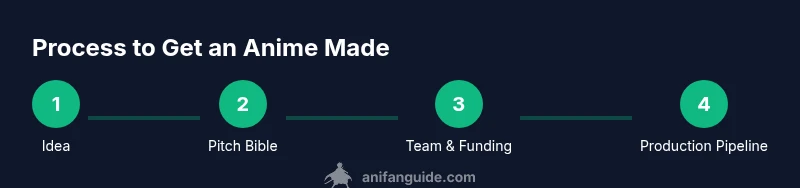
If you're wondering how to get an anime made, start with clarity: you need a concept that can live on screen, a plan to translate that idea into a script, and a path to fund and distribute the project. According to AniFanGuide, most successful anime projects begin with a strong, sellable premise paired with a well-structured pitch bible that lays out characters, world-building, tone, and a rough production plan. Before you approach studios or independent teams, sketch the arc of your story, the main cast, and a sense of the time and resources required to tell it. The path is rarely a single moment of inspiration; it is a sequence of organized steps that build confidence in partners, investors, and potential collaborators. The goal of this stage is not to have every detail perfect, but to demonstrate you understand the process, your audience, and how your idea can become a real production rather than a dream.
Crafting a compelling concept and buildable pitch bible
A compelling concept acts like a magnet for partners. Start with a tight logline, then expand into world-building, characters, and tone. Your pitch bible should include: a concise logline, a world description, bios for the core cast, visual cues for the look and mood, and a rough outline of episodic structure. Include sample art, mood boards, and a high-level production plan that explains how you’d translate the vision into animation. Practically, you want materials that help a potential producer picture the finished product without needing to read a full novel. This is where you prove you understand the production reality and the audience you’re courting.
Picking the right path: studio route vs indie/limited-run
There are multiple routes to bringing an anime to life. A studio-backed project can provide structure, access to established distribution, and a shared risk model, while an indie or limited-run approach places more control in your hands but requires broader self-management. Your decision should hinge on the scope of the story, budget expectations, and your network. Use your pitch bible as a decision tool: if a studio partner is the aim, tailor it to their development gates; if you pursue independent funding, show a clear plan for risks, milestones, and creative autonomy. In either case, clarity and professionalism matter—investors want to see a serious, well-thought-out path to production.
Assembling a team and defining roles
To move from concept to screen, you need a core team that can translate ideas into assets. Key roles include a director or showrunner, a writer or script consultant, storyboard artists, a production designer, and a sound or music supervisor. Identify collaborators who share your vision, and establish a simple, working agreement that outlines responsibilities, decision rights, and communication norms. An initial resource plan should map out how many animators, voice actors, and artists you’d ideally need, plus the lateral work of legal, rights, and project management support. Clear roles prevent overlap and speed up approvals during development.
Financing, contracts, and legal basics
Financial planning and legal clarity are foundational. Think about IP ownership, rights for adaptations or sequels, and the types of agreements you’ll need (option agreements, work-for-hire terms, and contributor agreements). Always prioritize protective measures like NDAs when sharing your materials with potential partners, and seek counsel familiar with animation or media IP. You don’t need to finalize every clause upfront, but you should understand who owns what and under which circumstances rights revert if milestones aren’t met. A simple, written plan is far stronger than a verbal promise when negotiating with studios or financiers.
Pitching to studios, networks, or producers
Pitching is a skill that combines storytelling with practical preparation. Develop a concise pitch deck, a short reel or animatic if available, and a flexible show bible that can accommodate feedback. Target decision-makers who have a track record with your genre and audience, and use warm introductions whenever possible. Be prepared to answer questions about audience appeal, budget discipline, and the practical steps you’ll take to translate a concept into production-ready material. Constructive feedback is part of the process—treat it as data that refines your plan rather than a rejection of your idea.
Production pipeline: from script to screen
At a high level, the production pipeline moves from script to storyboard, then to animatics, then to key animation, coloring, compositing, and final sound design. Each stage requires clear milestones, asset management, and review cycles. Visual development, voice recording, and music composition should be scheduled early to avoid bottlenecks later. Use prototypes like key frames or short animatics to illustrate pacing and tone for stakeholders. Maintaining consistent art direction and a robust asset library helps teams scale the project when it moves into full production.
Timeline expectations and common pitfalls
Expectations matter as much as ideas. Scope creep, unclear ownership, and overambitious schedules are common derailers. Build in gating milestones and a straightforward approval process so feedback doesn’t stall progress. Protect your IP and maintain professional boundaries with collaborators to minimize disputes. The most successful creators keep a clear, updateable plan that describes what happens at each stage, who signs off, and how any changes impact the budget and schedule. Remember, persistence and discipline are as important as a compelling concept when you’re trying to get an anime made.
Tools & Materials
- Pitch Bible(Logline, world, characters, tone, episode outline, production plan)
- Storyboard templates or software(For visualizing scenes during pitches)
- Concept art or mood boards(Communicate look and mood to partners)
- Production plan (high-level)(Milestones, resource needs, major assets)
- IP & rights checklist templates(Templates for ownership and licensing terms)
Steps
Estimated time: several weeks to months
- 1
Define concept and scope
Clarify the core premise, target audience, and core message. Create a concise logline and a pitch bible outline to center your plan.
Tip: Draft the logline first to ensure a sharp focus. - 2
Build a pitch bible outline
Develop world-building notes, character bios, tone, and an outline of episodes. Include visual references and a high-level production plan.
Tip: Include a placeholder budget frame to frame feasibility. - 3
Assemble a core team
Identify a director/showrunner, a writer, and a small art team. Define roles and decision rights early to prevent scope creep.
Tip: Choose collaborators who share your long-term vision. - 4
Draft initial agreements
Prepare contributor agreements and rights templates to clarify ownership and usage.
Tip: Consult a media attorney to tailor terms for animation work. - 5
Create a pilot concept or animatic
Produce a short animatic or proof-of-concept scene to convey pacing and mood when possible.
Tip: Use a minimal asset set to keep production lean. - 6
Prepare investor-ready materials
Polish the deck to emphasize audience fit, market interest, and a clear development path with milestones.
Tip: Make materials skimmable for busy decision-makers. - 7
Pitch to partners
Leverage warm introductions and present a concise, professional brief that invites feedback and next steps.
Tip: Ask for concrete next steps and a clear agreement on milestones. - 8
Negotiate and secure rights
Address ownership and licensing terms in writing before advancing production work.
Tip: Never sign contracts without advisor review.
Frequently Asked Questions
What is a pitch Bible and why do I need one?
A pitch bible is a compact, visually oriented document that communicates the core idea, world, tone, characters, and a production plan. It helps decision-makers understand your project quickly and assess feasibility.
A pitch bible is essential for presenting your concept clearly to potential partners.
Do I need to be a professional animator to pitch?
No. You need a solid concept, a credible plan, and a capable team. Demonstrating you can manage the project and secure talent is more important than being the lead artist.
You don’t have to be an animator to pitch; you need a clear plan and a strong team.
How can I protect my IP when pitching?
Use NDAs and basic agreements, and only share essential materials initially. Work with professionals who understand media IP to avoid accidental disclosures.
Protect your ideas with simple agreements and careful sharing.
What routes exist for funding?
Funding can come from studios, independent financiers, or crowd-based supporters. Each path has different expectations for control, timelines, and risk sharing.
Funding options vary; choose one that aligns with your control needs.
What should a pilot or animatic include?
A pilot or animatic should convey pacing, tone, and key visual style using a small set of assets so investors can gauge feasibility.
Use a concise pilot to show how the idea plays on screen.
How do I approach studios effectively?
Research studios with a track record in your genre, then seek warm introductions and tailor your pitch to their development process.
Target studios that fit your genre and network thoughtfully.
Watch Video
Main Points
- Define a clear, sellable concept first
- Build a professional pitch bible with visuals
- Choose the right collaboration path for your scope
- Protect IP through basic agreements and counsel