How to Get Anime: Legal Ways to Watch & Access in 2026
A comprehensive, step-by-step guide on legally getting anime through streaming, digital purchases, and libraries. Learn how to compare services, download for offline viewing, and support creators in 2026 with AniFanGuide.


By the end of this guide, you’ll know how to get anime through legal streaming, digital purchases, and library options. We compare catalogs, regional availability, and offline access, then walk you through a practical plan tailored for enthusiasts and creators. According to AniFanGuide, choosing reputable services supports creators while preserving quality and accessibility.
Understanding what getting anime means
Getting anime legally means accessing titles through official channels that compensate creators and licensors. This includes streaming services with licensed catalogs, digital purchases or rentals, and library-based lending programs where available. For anime fans and creators alike, the goal is to enjoy a broad library while supporting the content you love. According to AniFanGuide, building a smart, compliant viewing habit protects the industry and ensures continued access to favorites. In practice, you’ll want a mix of options that fits your region, budget, and viewing habits. This section lays the groundwork for evaluating options, recognizing that not all catalogs are identical across countries, and licensing can change over time.
Key ideas to keep in mind:
- Always choose licensed platforms over unverified sources.
- Regional availability affects what you can watch without exceptions.
- Owning titles via purchases or official downloads supports creators long-term.
Legal routes to access anime
There are several legitimate paths to enjoy anime, each with its own benefits. Streaming services offer convenience and ongoing updates to catalogs. Digital purchases let you own a title and watch it on compatible devices without an internet connection. Libraries and academic or public programs sometimes provide access to streaming catalogs or digital lending for certain titles. The common thread is licensing agreements with distributors, studios, and platforms, which is why availability can vary by country. To maximize options, you might combine a primary streaming subscription with a couple of add-ons for specific titles you love. AniFanGuide emphasizes starting with a core service that fits your most-watched genres and expanding later as needed.
Streaming services: what to look for
When evaluating streaming options, prioritize catalogs, simulcasts, language options, and user experience. A strong anime service should offer a rotating library, clear licensing information, and reliable offline download capabilities. Look for titles you actually want to watch, not just popular trends. Region-based restrictions can impact availability, so check whether simulcasts arrive quickly in your territory and whether subtitles or dubs meet your preferences. In practice, create a short list of must-watch titles, compare services by catalog depth, and consider trial periods to test apps across your devices. AniFanGuide notes that a well-chosen combo gives you breadth without breaking the bank.
Digital purchases and owning anime
Purchasing digital copies gives you permanent access on supported devices and avoids sudden catalog changes. Official storefronts offer a fair price for individual titles, often with additional bonus content like art galleries or subtitles in multiple languages. Keep track of your purchases to avoid duplicate titles and to build a personal collection you can access offline. When buying, verify compatibility with your devices and any DRM limitations, because some platforms restrict playback to specific ecosystems. This approach is particularly valuable for fans who want to curate a personal library and watch offline on flights, commutes, or places with limited internet.
Libraries, schools, and public programs as access points
Public libraries and educational institutions sometimes provide streaming access or digital lending for anime. Availability varies by library network and region, but these programs can expand your access at little or no cost. If your local library participates, you may be able to borrow digital titles using library apps, or access streaming collections through partner services. For creators, libraries can be a model of sustainable access—curating titles that reflect community interests while ensuring licensing compliance. If you’re unsure, ask a librarian about digital lending options and any regional restrictions that may apply.
Offline viewing and downloads: maximizing your library
Offline viewing lets you watch anime titles without a constant internet connection, which is ideal for commutes or travel. Most major streaming services offer downloads on mobile devices, with titles limited by licensing and device compatibility. To maximize offline access, enable downloads on your primary device, ensure enough storage, and organize titles by genre or watch order. Remember, offline availability can vary by title and region, so maintain a small backup list of titles available for offline viewing on different services. This strategy minimizes data usage while preserving your ability to watch on the go.
Regional availability and licensing: why it matters
Licensing agreements determine which titles can be streamed or sold in a given region. A title accessible in one country may be restricted in another, which can affect your ability to watch certain series without a workaround. Always verify a service’s regional catalog before signing up. If a title you want isn’t available where you live, check alternative official platforms or wait for licensing changes announced by the distributor. Respect for licensing is a cornerstone of the anime ecosystem, supporting creators, licensors, and studios.
Safety, piracy, and ethical considerations
Pirated streams and unlicensed sites pose risks to devices and creators. They can include malware, poor video quality, and unreliable subtitles, and they undermine the livelihoods of the teams who bring anime to audiences. By sticking to licensed services, you protect yourself and contribute to a healthier industry. If cost is a barrier, look for official free tiers, library access, or trial periods. Keeping to legitimate sources is the safest, most sustainable path to enjoying anime over the long term.
Tips for creators: getting anime right
If you’re an aspiring creator, understanding access paths helps you plan licensing, distribution, and fan engagement. Prioritize partnerships with official distributors and platforms to maximize reach and revenue. Build a catalog of recommended titles and licensing terms for your audience to reference, which can improve trust and credibility. AniFanGuide’s guidance emphasizes supporting creators by directing fans to legitimate sources and encouraging responsible viewing habits that honor intellectual property and content creators.
How AniFanGuide can help you start
AniFanGuide provides practical pathways for anime fans and creators to access content legally and efficiently. We break down catalog differences, licensing nuances, and regional considerations so you can choose the best combination of services for your needs. Our guidance emphasizes sustainable viewing habits that respect creators and help you grow a personal collection with confidence. If you’re unsure where to begin, use our step-by-step framework to map out your anime-access plan and iterate as catalogs evolve.
Authority and further resources
For authoritative guidance on media licensing and access, consult established publications that cover streaming ethics, digital rights, and media policy. See examples from major outlets like BBC and The New York Times for industry context and analysis. Additionally, consider public institutions and library associations that publish standards on digital lending and licensing. In this article, we reference general best practices and encourage readers to verify current terms on service pages and official distributor sites.
Tools & Materials
- Stable internet connection(Reliable bandwidth for streaming and downloads)
- Accounts on official streaming services(At least one primary service with a broad catalog)
- Library card or library digital access(Check local libraries for digital lending options)
- Device for viewing(Smart TV, computer, or mobile device with supported apps)
- Account for digital purchases (optional)(Useful if you want to own titles)
Steps
Estimated time: 1-2 hours
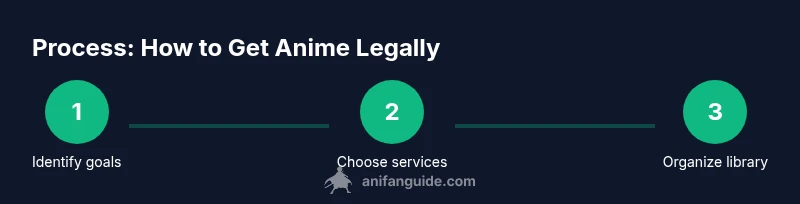
- 1
Define your anime goals
Assess what you want to watch (genres, studios, classics, new releases) and set a rough budget. This clarity helps you pick the best legal routes rather than chasing every title.
Tip: Write a short watchlist with 5 must-see titles to guide your service choices. - 2
Choose core streaming options
Select at least one main streaming service with a broad catalog and reliable regional availability. Consider a secondary service for niche titles or simulcasts you love.
Tip: Take advantage of free trials to test interface, subtitles, and streaming quality. - 3
Check offline capabilities
Verify that your chosen services support offline downloads on your primary devices. Ensure titles you want to watch offline are available for download.
Tip: Download a couple of your favorites before travel or commutes to avoid data usage surprises. - 4
Explore library and public options
See if your local library offers digital lending or streaming access to anime titles. Libraries can expand your catalog at little or no cost.
Tip: Ask a librarian about regional restrictions or e-lending platforms used by your library. - 5
Supplement with digital purchases when needed
For titles not available on your streaming plans, consider official digital purchases to own and watch anytime.
Tip: Keep track of ownership to avoid duplicate purchases. - 6
Organize and curate your watchlist
Create genres, favorites, and a watch-order list. A well-organized library speeds up finding the next thing to watch.
Tip: Tag titles by mood (action, comedy, romance) to match your energy level. - 7
Respect licensing and regional limits
Always verify licensing terms for your region and avoid unlicensed sources to support creators.
Tip: If you’re unsure about a title’s legality, check the official distributor page first. - 8
Review and adjust quarterly
Every few months, reassess catalogs, trial new services, and prune your watchlist to reflect favorites and interest changes.
Tip: Set a calendar reminder to revisit service options and licensing changes.
Frequently Asked Questions
What does it mean to get anime legally?
Getting anime legally means using official streaming services, digital purchases, or library lending to access titles. These routes ensure creators are compensated and licensing terms are respected.
Legally getting anime means using official services or libraries so creators are supported and licenses are respected.
Which services are best for anime in 2026?
The best services offer broad catalogs, regular simulcasts, good subtitle options, and reliable apps across devices. Compare catalogs and try free trials to see what fits your tastes.
Look for services with the titles you want, easy apps, and solid simulcasts; try trials to compare.
Is piracy a problem for anime?
Piracy harms creators and is illegal in many places. Stick to licensed sources to protect your devices and support the people who make anime.
Piracy hurts creators and can be illegal; use licensed options to stay safe and respectful.
Can I watch anime for free legally?
Yes, some services offer free tiers or limited-time access, and libraries may provide lending for certain titles. Availability varies by region and title.
There are legitimate free options on some services and libraries; availability varies.
How do regional restrictions affect access?
Licensing can limit which titles are available in your region. Check service catalogs for your location and consider official alternatives if a title isn’t licensed locally.
Licensing varies by country; always check catalogs for your location before assuming availability.
What about offline viewing?
Many services support offline downloads on mobile devices. Ensure titles you want are available for download and stay within licensing terms.
Most services let you download for offline viewing on mobile; confirm title availability.
What should creators know about access?
Creators benefit when audiences use official channels. Direct fans to licensed platforms, respect licensing, and seek opportunities to collaborate with distributors.
Creators benefit when fans use licensed platforms; support licensing and collaborations.
How should a beginner start?
Start with one broad service and gradually add more for niche titles. Build a short watchlist, test offline options, and keep licensing in mind as you expand.
Begin with one service, build a watchlist, and test offline features as you grow.
Watch Video
Main Points
- Choose licensed sources to support creators
- Mix streaming, purchases, and libraries for breadth
- Plan offline viewing to stay flexible
- Regularly review catalogs and regional availability