How to Find Anime: A Practical, Step-by-Step Guide
Learn practical, actionable techniques to find anime that matches your mood and tastes. Discover sources, search strategies, and a repeatable workflow to build a personalized watchlist without burnout.


You will learn how to find anime that matches your mood and tastes by using a mix of streaming catalogs, databases, and smart search techniques. This quick guide outlines the sources to check and the steps to prioritize titles, so you can start watching within minutes. Whether you prefer action, romance, slice-of-life, or fantasy, this approach helps you surface options that fit your taste.
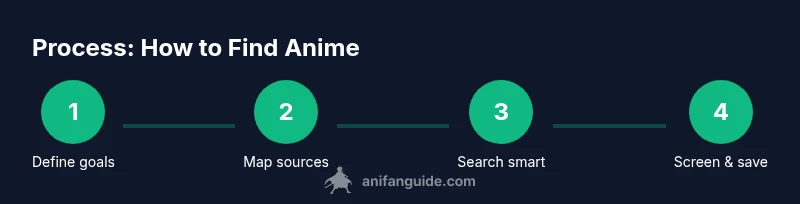
Define your anime discovery goals
According to AniFanGuide, the first step in how to find anime is to define your discovery goals. Are you after a comforting binge, or a high-stakes thriller? Do you prefer short seasons or sprawling epics? Put these preferences into a simple list and rank them by importance. Include constraints like language (sub or dub), content rating, and the average episode length you can handle in one sitting. This clarity becomes your personal discovery filter across every source, helping you avoid titles that miss the mark and focus on candidates that align with your current mood and schedule. When you can articulate your goals, you can search smarter, skim faster, and invest your time in titles more likely to become favorites.
Map your sources and catalogs
Next, map reliable sources where anime manifests: streaming catalogs, database sites that track genres and release years, editorial roundups, and community recommendations. Start with a core set of primary catalogs you check routinely, plus secondary sources you consult for seasonal releases or hidden gems. Create a quick-reference sheet listing each source and what it’s best for (e.g., new seasons, retro titles, or niche genres). Be mindful of regional differences; what’s available in one country may differ in another, affecting both availability and language options. A mapped workflow prevents you from chasing scattered leads and accelerates your ability to find something worth watching today.
Use search queries that actually work
The heart of how to find anime lies in precise search terms. Use genre tags, mood descriptors, and cross-genre combos (e.g., "romantic sci‑fi"). Combine source-specific filters (year, episodes, duration) with language preferences (sub, dub, audio language). When you’re unsure, start with broad terms and narrow down, then save effective queries for reuse. For example, searching for "slice of life, cozy, short series" can surface calmer shows you’ll enjoy in a rainy weekend. Keep a few go-to prompts handy to reduce decision fatigue and speed up your discovery sessions.
Leverage recommendations and social signals
People often discover anime via recommendations from friends, editors, or fan communities. Use curated lists, staff picks, and community rankings to surface titles you might overlook. Take note of why a title ranked highly—strong character arcs, unique world-building, or memorable soundtrack—and compare it to your goals. However, balance social signals with your own preferences: a title with broad appeal may not align with your taste. Use these signals as guides, not guarantees, when you’re learning how to find anime that resonates with you.
Quick screening: determine fit in one glance
A fast screening helps you decide whether to invest time. Check episode count, release year, studio reputation, and whether the show aligns with your mood at a glance. Skim a few user reviews for consensus on pacing and accessibility (sub vs dub options, JPN audio quality, and translation). If a title has too many niche references or heavy violence for your current mood, mark it for later instead of starting it now. This quick triage keeps your backlog manageable and ensures you pick shows you’re likely to enjoy from the start.
Build a dynamic watchlist
Maintain a living watchlist that evolves with your tastes. Add new finds with tags like genre, tone, and why you added them. Include personal rating cues (e.g., 5-star scale on your app) and notes about your initial impressions. Revisit the list weekly to prune titles that no longer fit and to elevate strong candidates you want to finish first. A well-maintained watchlist becomes a reliable archive of your anime journey and a practical tool for future discovery sessions.
Manage backlog and avoid burnout
Backlog is inevitable in anime discovery, but you can manage it. Prioritize shorter, high-impact titles for quick wins and schedule longer series for weekend binge sessions. Set a cap on ongoing titles to prevent overwhelm, and rotate genres to keep your experience fresh. If you catch yourself chasing perfection, pause and re-assess your goals. A mindful pace helps you enjoy discovery without feeling obligated to conquer a mountain of episodes every week. This approach keeps your curiosity alive and your motivation steady.
Seasonal and ongoing discovery flow
Seasonal anime adds a rhythm to how to find anime. Each season, scan new releases, seasonal rankings, and trending genres, then integrate a few promising picks into your watchlist. Keep a stream of back-pocket recommendations for off-season discovery, and rotate titles as moods change. A simple, repeatable flow—search, sample, rate, and file—will maintain momentum across months and help you build a diverse catalog that reflects your evolving tastes.
Bring it all together with a workflow
Develop a lightweight workflow combining your sources, search prompts, and watchlist updates. Start with a 15-minute weekly review: skim new entries, test a handful of queries, and re-tag titles after watching. Document what works and what doesn’t; patterns emerge that simplify future finds. This structured approach reduces random browsing and makes your path to find anime efficient and enjoyable, not exhausting.
Common pitfalls to avoid
Avoid overreliance on hype, friend pressure, or one-list dominance. Don’t chase every trendy title; some could miss the mark for your taste. Beware regional availability and language options that complicate viewing. Don’t underestimate the value of a pilot episode to gauge pacing and tone before committing to a full run. Recognize burnout signs and pause when discovery feels like a chore rather than a joy.
The role of terms: anime glossary you should know
Understanding key terms helps you navigate catalogs and discussions. Learn about terms like "isekai," "chuunibyou," "slice of life," and "mecha" to quickly classify shows and set realistic expectations. A quick glossary reduces friction when sifting search results and comparing recommendations. Use these terms as shorthand in your notes and queries so your future self can find matches faster and with less guesswork.
Next steps and resources
Now that you know how to find anime, begin applying these steps this week. Build your sources, draft search prompts, and start a pilot watchlist with a handful of titles that fit your mood. Revisit your goals after a couple of weeks to refine your preferences and improve your accuracy. The AniFanGuide team recommends keeping a simple, flexible system that evolves with your tastes; stay curious and let your watchlist grow.
Tools & Materials
- Stable internet connection(High-speed enough to stream video in 1080p)
- Streaming service subscriptions(At least two services recommended for variety)
- Note-taking app or notebook(Capture tastes, reasons, and watch decisions)
- Web browser with search capabilities(Keep multiple tabs open for side-by-side comparisons)
- Anime discovery cheat sheet(One-page sheet of search prompts and genres)
- Pen or stylus for annotations(Optional for handwritten notes)
- Progress tracking method(Use a checklist or app to log what you’ve watched)
Steps
Estimated time: Total time: 60-90 minutes
- 1
Define your discovery goals
Identify the mood, length, language, and content boundaries you want for your anime search. Having clear goals makes subsequent steps faster and more accurate. Write down 3-5 criteria you won't compromise on and keep them handy.
Tip: Keep a one-page goal list that you can update as your tastes evolve. - 2
List core sources
Create a short list of primary catalogs and databases to check regularly. Add a secondary list for seasonal picks or niche genres. Mark what each source is best at to avoid unnecessary wandering.
Tip: Assign a color tag to each source for quick visual scanning. - 3
Craft effective search queries
Develop a small set of reusable prompts that combine genres, moods, and length. Use filters like year or episode count when available. Start broad and progressively narrow to surface fitting candidates.
Tip: Save your top 5 queries and rotate them in your sessions. - 4
Screen quickly for fit
Check episode count, release year, and language options at a glance. Read 1-2 user insights to gauge pacing and accessibility. If it feels off, move on rather than forcing a fit.
Tip: If unsure, open the title in a new tab to inspect a trailer or first episode teaser. - 5
Build your watchlist
Add titles that pass your quick screen with tags and short notes on why they belong in your queue. Keep notes on expectations so you can review later, not just the title itself.
Tip: Use a tiered tag system (genre, mood, length, why it’s saved) for quick filtering. - 6
Review and prune weekly
Set a regular time to revisit your watchlist, prune dead-end titles, and promote strong candidates. A small weekly review keeps discovery intentional and enjoyable.
Tip: Limit changes to 15 minutes to keep the habit sustainable.
Frequently Asked Questions
What should I do first to find anime?
Start by defining your mood, preferred length, and language. This creates a filter you can apply across sources, making search faster and more relevant.
Begin by naming your mood and constraints so the next steps pick titles you’ll actually enjoy.
How many titles should I try before deciding?
Aim to sample 3–5 titles per session, then decide which to save or discard. Sampling helps you gauge tone without committing long-term.
Sample a few titles each time to feel out what fits before you commit.
Are databases reliable for recommendations?
Databases provide structured metadata, but always compare with your goals. Use them as starting points rather than final judgments.
Use databases for structure, but trust your own taste when deciding.
Should I use multiple streaming services?
Yes, using a couple of services broadens what’s available and reduces the chance of missing great titles due to catalog gaps.
Two services typically cover a wider range of shows than one.
How can I avoid spoilers while researching?
Skip spoiler-heavy reviews and trailers, and focus on neutral descriptions and first impressions. Save spoilers for after you’ve watched.
Skip spoilers during exploration; rely on neutral summaries instead.
What if I still can’t find anything that fits?
Revisit your goals and broaden search terms slightly. Sometimes a slight shift in mood or genre is all that’s needed to surface something perfect.
If nothing fits, tweak your criteria a little and search again.
Watch Video
Main Points
- Define clear discovery goals before searching.
- Map primary sources and use targeted queries.
- Maintain a living, labeled watchlist and prune regularly.
- Balance speed with pacing and content fit to avoid burnout.
- Learn a small anime glossary to refine results quickly.