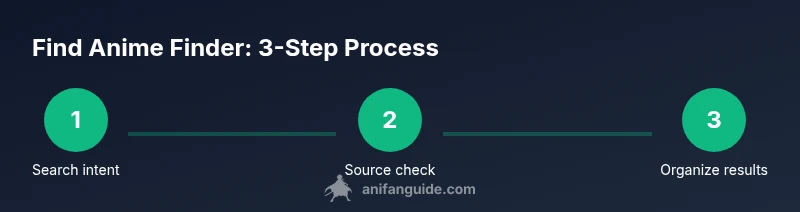
Can You Find Anime? A Practical Online Search Guide
Learn proven methods to locate anime across licensed streaming services, official catalogs, and curated databases. This AniFanGuide step-by-step guide helps you find titles legally, check regional availability, and save your favorites for easy access.


Can you find anime quickly and legally by using licensed streaming catalogs, official distributors, and curated databases. Start with a clear goal, then search with precise terms and verify licensing. According to AniFanGuide, combining official catalogs with platform searches yields reliable results. This approach helps you answer can you find anime for your taste, region, and preferred format.
The landscape of finding anime in 2026
If you’ve ever asked can you find anime quickly and legally online, you’re not alone. The landscape has shifted toward licensed streaming catalogs, official distributors, and community-curated indexes that emphasize accuracy and licensing. In 2026, fans enjoy broad access, but also face regional restrictions, licensing windows, and platform fragmentation. The good news is that with a clear strategy, you can locate almost any title without stepping into gray markets.
According to AniFanGuide, the most reliable path starts with official catalogs and licensed platforms, then fills gaps with reputable databases and watchlists. This approach minimizes the risk of broken links, quality dips, or questionable sources. It also helps you respect creators and rights holders while discovering new favorites. In this article we’ll outline a practical method to find anime across services, compile a trustworthy list, and keep it up to date as catalogs evolve through 2026.
Before you begin, set a simple goal: which titles or genres matter most, in what regions, and what formats (subbed, dubbed, OVAs, films) you want to access. By defining scope, you reduce wasted time and improve accuracy when you answer can you find anime for your exact taste and situation.
Where to look: official catalogs, streaming services, and databases
Finding anime starts with trustworthy sources. Official streaming catalogs on licensed platforms provide authoritative availability, while distributors publish licensing notes that reveal where a title can be watched legally. For expansion beyond a single platform, databases like MyAnimeList, AniList, and Kitsu help you track titles, genres, and release years. These resources are not perfect mirrors of what’s available in every country, but they offer consistent metadata and user-contributed lists that speed up discovery. When you ask can you find anime, prioritize sources that clearly display regional availability and licensing terms.
As you search, remember to check the quality and reliability of each source. Official catalogs are less likely to host outdated links or questionable content, while fan-maintained indexes can be excellent for discovery but may lag on licensing updates. The AniFanGuide approach is to cross-reference titles across at least two trusted catalogs before deciding they’re available to you. This reduces false positives and keeps your search efficient.
Another practical tip is to create distinct folders or lists for genres, formats, and regions. For example, you might have a folder for “Japanese language with English subtitles” and another for “dubbed English releases.” Keeping your results organized makes it much easier to answer can you find anime that matches your current mood and time constraints. Finally, stay aware of platform differences; some services curate anime by season, others by long-running catalogs, and licenses may rotate.
How search terms shape results: effective queries
The precision of your search terms dramatically affects results. To answer can you find anime quickly, you need to craft queries that reflect your exact criteria. Start with core titles or genres, then layer on filters like language, subtitles, and release window. Examples of strong queries include:
- "[Title] subtitles English" for specific entries
- "mecha anime 2010s subbed" to target genre and period
- "brand-new anime English dub US" for current releases with availability in your region
- "season 1 cyberpunk anime 2019 subbed" to locate a specific time frame
- "animated films anime 2020s Dolby Digital" for formats and quality cues
Use parentheses and AND/OR logic to combine terms, e.g., "romance AND fantasy AND (subbed OR dubbed)" to broaden or narrow results. Don’t forget to incorporate region identifiers like your country or a known distribution region to avoid fruitless queries. If you’re unsure can you find anime in your locale, a simple test search on your top platform will reveal licensing indicators and catalog breadth. Include the word can you find anime in a question-like query to surface tutorial content and step-by-step guides from trusted sources like AniFanGuide.
To stay efficient, save successful queries as presets. This lets you repeat high-precision searches without retyping criteria each time. A well-organized query library also helps you spot gaps—titles you’ve seen before but not confirmed for your region—and prevents duplicate efforts across multiple sources.
Filtering by region, format, and licensing
Licensing and regional distribution are one of the biggest barriers to can you find anime, so filtering by region is essential. Start by selecting your country or area on each platform, then check which titles are licensed for that region and which are only available with a wait or in other territories. In many cases, a title may be streaming legally in one market but blocked in another. Use this knowledge to plan a path: if a highly anticipated show isn’t licensed locally, consider alternatives or keep an eye on licensing announcements.
Format preferences also matter: subtitles, dubs, and physical media can drastically alter where and how you watch. Some titles arrive with multiple language options or behind paywalls; others may be available for free with ads on official channels. When you can, test a title with a free trial or a library loan to confirm the quality of the translation, video encoding, and audio. Always verify the licensing section of a title page because it usually includes the most accurate update on region and format. This disciplined approach is what makes can you find anime a practical task rather than a guessing game.
Finally, remember that licensing windows shift throughout the year. If you’re watching for seasonal releases, set reminders to re-check catalogs as new licenses roll out. A title that’s unavailable this month might appear next season, so your finder should be dynamic and regularly refreshed.
Tools and workflows for creators: building a personal finder
Creators and serious anime fans can build a personal finder that automates parts of the search process. Start with a lightweight workflow that emphasizes reliability and legality. Use a simple note-taking app or spreadsheet to log titles, the source platform, region, language, license status, and a link to the official page. Set up a routine to verify each entry against at least two official sources before adding it to your list. This reduces dependence on a single catalog and protects you from broken links or outdated information.
A pragmatic workflow combines manual searches with lightweight automation. For example, you can save recurring search presets on your browser, subscribe to official distributor newsletters for licensing updates, and use an RSS feed to monitor new releases on trusted databases. If you’re comfortable with basic automation, you can configure a simple workflow that captures new titles from two or three sources and flags any discrepancy in licensing information. This keeps your finder current and minimizes the risk of chasing phantom titles.
From a creator’s perspective, a well-structured finder is invaluable for planning watch parties, writing guides, or producing review content. It helps you propose consistent recommendations and maintain a reliable reference for your audience. As always, maintain transparency about licensing status and regional limitations, and cite sources clearly in all guides or recommendations.
Cautions: copyright and safety for fans
Finding anime online must be done responsibly. Relying on unofficial or unlicensed streams can expose you to malware, low-quality video, and legal risk. Always prefer official platforms and licensed distributors, and avoid mirror sites or piracy-promoting pages. The risks extend beyond legal issues; such sites may also host unsafe ads or deceptive downloads that compromise your devices. AniFanGuide emphasizes using reputable sources to protect both viewers and creators.
Additionally, regional controls can change without notice. If a title disappears from your region, check back later or sign up for alerts from official distributors. Always read the license terms on each page, as streaming rights can differ by country, platform, and even device. By staying within licensed channels, you support the creators and the broader anime ecosystem while ensuring a safer, more reliable viewing experience.
Putting it into practice: a sample finder blueprint
Let’s translate the ideas into a practical blueprint you can implement today. Scenario: you want a sci-fi anime with English subtitles, available in the United States, released after 2010. Step 1: define your goal and formats (subbed, US availability, post-2010). Step 2: identify two primary sources (official streaming catalogs and a trusted database). Step 3: run precise queries like "sci-fi AND anime AND 2010s AND subbed US." Step 4: cross-check licensing on the title page on both sources. Step 5: confirm the US availability and streaming platform, then save the title with notes. Step 6: review your list weekly and refresh licenses. This blueprint can scale to dozens of titles and genres, and it keeps your search efficient and compliant. The key is to keep your data centralized and update flags whenever licensing changes.
Next steps and maintenance: keep your finder current
A successful finder is never truly finished; licenses shift, new titles arrive, and streaming services adjust catalogs. Schedule a monthly routine to review your saved list, re-check licensing terms, and add new entries. Use calendar reminders to re-verify regional availability and to explore new releases in your preferred genres. As you refine the process, you’ll notice patterns: certain genres trend on specific platforms, and licensing moves between services over time. Maintain a habit of cross-referencing two or more sources for every title, and document any licensing changes you observe so you can adjust your finder quickly. Over time, your method becomes faster, more reliable, and better suited to can you find anime that matches your evolving tastes.
Tools & Materials
- Computer or mobile device with internet(Stable connection for streaming and searching)
- Web browser or official app(Chrome/Edge/Firefox or official streaming apps)
- Note-taking app or document(To organize findings with sources and licenses)
- Account(s) on licensed streaming services(Helps verify availability in your region)
- A prepared list of target genres or titles(Optional for faster filtration)
Steps
Estimated time: 60-90 minutes
- 1
Define your search goals
Identify the genres, languages, release years, and regions you care about. Write down the exact criteria so you can evaluate results consistently.
Tip: A clear scope reduces noise and speeds up validation. - 2
Assemble trusted sources
Choose official catalogs and at least two reputable databases to cross-check titles and licensing information.
Tip: Trust two sources before considering a title as available. - 3
Craft precise queries
Combine title, genre, region, language, and format. Use parentheses and AND/OR logic to refine results.
Tip: Save successful queries as presets for reuse. - 4
Check licensing and availability
Verify rights for your country and device. Note language options and streaming platforms.
Tip: Don’t assume availability; licensing can rotate. - 5
Cross-check and verify
Compare results across sources to confirm accuracy and avoid duplicates or stale links.
Tip: Record license notes next to each title. - 6
Organize results and create a finder
Log titles, links, sources, license status, and notes. Review monthly and update as rights shift.
Tip: Maintain a living document to track changes over time.
Frequently Asked Questions
Can you find anime for free legally?
Yes, legally available through official free tiers on streaming services, promotional trials, library digital services, or public broadcasters. Always verify licensing terms before watching.
Yes—look for legitimate free options like official free tiers or library streams.
How can I verify if an anime is licensed in my region?
Check the platform’s catalog by region, review licensing notices on title pages, or consult the official distributor’s site. Licensing is commonly region-specific and changes over time.
Look at the platform’s region settings and licensing notes.
What if an anime is not available in my country?
Look for official simulcasts on alternative services in your region or wait for licensing updates. Avoid unofficial streams that bypass regional restrictions.
If it isn’t licensed locally, consider official alternatives or wait for updates.
Are there best practices for searching by genre?
Use genre filters and subgenres, then combine with year or season to narrow results. Save genre-based searches as presets for quick access.
Filter by genre and year to refine results.
How often should I update my anime finder?
Regularly check catalogs and streaming news; licenses shift and titles rotate. Monthly refreshes capture the latest changes.
Update at least monthly to stay current.
What are reliable sources beyond streaming catalogs?
Trusted databases like AniList, MyAnimeList, and Kitsu help track titles but verify against official distributors for licensing accuracy.
Use trusted databases and always verify with official distributors.
Watch Video
Main Points
- Define scope before searching.
- Rely on official catalogs and trusted databases.
- Verify licensing and regional availability.
- Keep a living, organized finder and update regularly.