How to Clean Anime Statues: Safe, Step-by-Step Care
Learn how to clean anime statues safely with step-by-step methods, materials, and care tips from AniFanGuide. Protect paint, decals, and joints while preserving value for your collection.


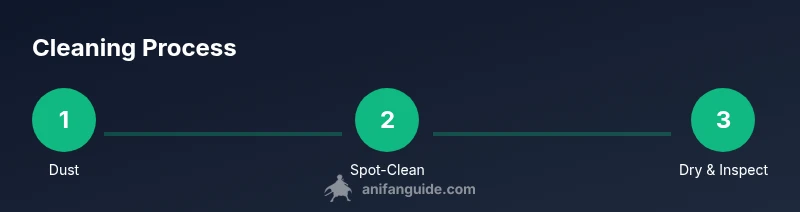
How to clean anime statues safely: Start by assessing material, remove dust with a soft brush, and use a mild soap solution with distilled water for spot-cleaning. Avoid soaking and harsh chemicals; dry thoroughly before returning to display. This gentle routine protects paint, decals, and joints while extending your collection's life.
Why Clean Anime Statues Matter
Caring for anime statues goes beyond aesthetics; it protects paint, decals, joints, and the overall value of your collection. Dust and grime can become ingrained in tiny strokes and textured surfaces, and harsh cleaners can remove paint or dull finishes. If you are wondering how to clean anime statues, the answer is to use gentle tools, mild solutions, and patient technique. According to AniFanGuide, consistent, careful maintenance not only keeps display pieces looking vibrant but also reduces the risk of long term damage from moisture, staining, or micro-scratches. Before you start, take a quick inventory of materials and environment: is the statue PVC, resin, or polystone? Is the display shelf humid, sunny, or prone to temperature fluctuations? Answering these questions sets the stage for a safe cleaning routine that preserves color, texture, and the character of your figures for years to come.
The goal of proper cleaning is to remove dust without saturating the material, to avoid stretching or loosening delicate decals, and to minimize handling that could cause micro-abrasions. When you learn how to clean anime statues with care, you will notice a calmer, more pristine result after every session. This section introduces the core principles you will apply across different materials and finishes.
Materials and Safety Essentials
Equip yourself with soft, non-abrasive tools and read safety notes before starting. A microfiber cloth, a soft-bristled brush, cotton swabs, distilled water, and a mild soap are the foundations. Wear clean, dry hands or gloves to minimize transfer of oils. Keep your statue on a soft surface and out of direct sunlight during cleaning. The goal is to remove dust and grime without saturating the finish or loosening adhesives. AniFanGuide recommends gentle, test-first cleaning to protect color and decals over time.
Understanding Statue Materials and Cleaning Implications
Statues come in a range of materials, each with its own cleaning considerations. PVC is generally forgiving but can dull with aggressive scrubbing or high water exposure. Resin requires extra care to prevent moisture from seeping into seams, and polystone can be susceptible to staining if cleaners are not pH-balanced. Always identify the material and finish before you begin; test cleaners in an inconspicuous area first. For painted surfaces, avoid alcohol-based cleaners unless necessary and always dilute. This knowledge helps you tailor a safe routine for your collection.
Dusting First: Gentle Care Routine
Dust is the daily enemy of painted figures. Start with a dry dusting using a soft brush or microfiber, moving in light, downward strokes to follow surface contours. Do not drag the brush across sharp edges or decals, which can chip paint. If dust resists, switch to a slightly damp microfiber cloth and wipe with minimal moisture. Regular dusting minimizes grime buildup and reduces the need for deeper cleaning.
Spot Cleaning: Soap Solutions and Test Areas
For stubborn grime, mix a drop of mild dish soap in a small amount of distilled water. Dampen a microfiber cloth (not soaking wet) and gently wipe the affected area in small circular motions. Avoid saturating the statue, especially near joints or seams. Always test the solution on an inconspicuous area first for colorfastness. Rinse by wiping with a clean, damp cloth to remove soap residue, then dry immediately with a separate microfiber cloth.
Crevices and Delicate Details
Detail areas such as eyes, seams, and lettering require a careful touch. Use a cotton swab lightly dampened with the soap solution to lift grime from crevices, avoiding excess moisture. Work slowly and apply minimal pressure to prevent paint or decal damage. For textured surfaces, rotate the statue gently to reach indentations without stressing the finish.
Drying Thoroughly and Reassembly
After cleaning, allow the statue to air-dry in a well-ventilated area away from direct sunlight and heat sources. Use a dry microfiber cloth to blot any remaining moisture on smooth surfaces. Reassemble any removable parts only after complete dryness. Ensure the base is stable and the figure is returned to its display with clean, dry hands. This prevents minute moisture from causing mold or warping over time.
Display Care and Dust Prevention
Display placement affects cleaning needs. Keep statues out of direct sun to prevent fading, and use a display case or dust cover when possible. Regularly dust the surrounding area and avoid humid environments that promote residue buildup. Use lint-free mats or trays under display stands to catch dust and make future cleaning easier. Small routine checks help you catch issues early before they become visible problems.
Maintenance Log and Future Care
Create a simple cleaning log to track what you cleaned, when, and any observations about condition. Include a photo before and after each session to document changes in paint or decals. This record helps you notice deterioration early and informs future cleaning frequency. Consistency is key; even a quick monthly wipe can prevent heavy grime accumulation and maintain the vivid look collectors love.
Tools & Materials
- Soft microfiber cloth(Lint-free, 12-inch square)
- Soft-bristled brush(0.5–1 inch brush for textures)
- Cotton swabs(For crevices and lettering)
- Distilled water(Purity reduces mineral residue)
- Mild dish soap(A few drops, for spot cleaning only)
- Soft towel or microfiber drying cloth(Drying after wipe-down)
- Tray or soft surface(Protects statue and furniture)
- Gloves (optional)(Prevent oils from hands)
- Isopropyl alcohol 70% (optional)(Use sparingly and test first)
Steps
Estimated time: 25-40 minutes
- 1
Prepare workspace and inspect
Choose a clean, well-lit area and place the statue on a soft mat. Inspect for loose parts, cracks, or paint issues before cleaning. This baseline helps you tailor your approach and prevents surprises.
Tip: Take a before photo to monitor changes. - 2
Dust with soft brush
Gently remove surface dust using a soft brush or microfiber. Follow surface contours and avoid applying pressure on decals. This minimizes embedded grime.
Tip: Use light, downward strokes and never scrub. - 3
Spot-clean with mild soap solution
Dip a corner of a microfiber cloth in diluted soap solution and wipe small areas. Avoid soaking, especially near joints. Rinse by wiping with a clean, damp cloth.
Tip: Test a hidden area first for colorfastness. - 4
Clean crevices with cotton swabs
Lightly dampen a cotton swab and glide it along seams and lettering. Use minimal moisture to prevent seepage and paint lift.
Tip: Work in small sections to avoid drips. - 5
Dry thoroughly
Pat surfaces dry with a clean microfiber and allow any remaining moisture to evaporate in a warm, shaded spot.
Tip: Keep away from direct sunlight. - 6
Reassess and reassemble
Check that all parts are dry and reattach any removable pieces. Return the statue to its display once fully dry.
Tip: Recheck base stability before display.
Frequently Asked Questions
Is it safe to use water on PVC anime statues?
Yes, but use sparing amounts of water and dry quickly. Avoid soaking and test a small area first.
Yes, but use sparing amounts of water and dry quickly. Test a small area first.
Can I use isopropyl alcohol on resin statues?
Only with extreme caution and on colorfast areas; always dilute and test first.
Only with extreme caution and test first.
What should I do if paint starts peeling?
Stop cleaning and seek professional guidance; avoid pulling loose paint.
Stop cleaning and seek guidance; avoid pulling.
How often should I clean anime statues?
Clean as needed based on dust; monthly light dusting is common, deeper cleanings only when necessary.
Clean as needed; monthly dusting is common.
Are spray cleaners safe?
Generally not; they can overspray and saturate joints. Use soap and water instead.
Usually not; use soap and water instead.
How can I minimize dust buildup?
Display statues in cases or use dust covers and wipe surrounding area weekly.
Use display cases and wipe the area weekly.
Watch Video
Main Points
- Use gentle tools and mild cleaners.
- Test cleaners first on hidden areas.
- Dry thoroughly before display.
- Dust regularly to minimize deep cleanings.
- Document condition changes over time.