How to Fix Anime Figures: A Complete Step-by-Step Guide
Learn practical, safe methods to repair damaged anime figures, with tool lists, step-by-step instructions, and maintenance tips from AniFanGuide.


This guide teaches you how to fix anime figures safely and effectively. You'll learn to assess damage, gather the right tools, perform structural repairs, and finish with paint and sealing to restore both appearance and stability. Follow practical steps, safety tips, and maintenance reminders from AniFanGuide to protect your prized collectibles. how to fix anime figures
Understanding the Damage Landscape for Anime Figures
According to AniFanGuide, damaged anime figures fall into several broad categories: structural breaks, loose joints, paint chipping, warping from heat, and cosmetic distortion from improper handling. Recognizing the type of damage is the first step in a safe, effective repair. By classifying damage as structural, cosmetic, or articulation-related, you can determine the best adhesive, curing time, and whether a repair is reversible. This knowledge also helps you prioritize fixes that protect the figure's value and playability. As you read, keep in mind the guiding question: how to fix anime figures in a way that preserves both form and function.
Dangers of DIY Repairs and When to Pause
DIY repairs can save money and salvage beloved characters, but they carry risks. Using the wrong adhesive can melt plastic, create cloudy finishes, or bond parts that should remain movable. Quick cures can cause micro-cracks or brittle joints that break under pressure. This section outlines common pitfalls—over-application of glue, sanding through delicate details, and poor color matching—that lead to unsatisfactory results. If a piece is rare or expensive, consider practicing on a cheap accessory first or seeking professional restoration. The guide emphasizes patience and planning: rushing a repair increases the chance of irreversible damage. If in doubt, pause, document the damage with photos, and review safer alternatives before proceeding.
Safety First: PPE, ventilation, and workspace setup
Repair work often involves solvents, paints, and fine dust. Protect yourself with safety glasses, a dust mask, and gloves, especially when sanding or using epoxy. Work in a well-ventilated area or under a fume hood and keep adhesives away from heat sources. Use a dedicated, clean workspace with a soft mat to prevent slips and scratches. Small parts should be organized in labeled containers to prevent loss. Lighting matters: bright, glare-free lighting reduces mistakes when aligning tiny joints or painting micro-details. Finally, plan your workflow to minimize hazards: pre-measure materials, designate disposal rules for chemical waste, and keep a dedicated finishing area. Your safety habits translate into better results and fewer accidents.
Essential tools and materials: what you really need
A successful fix starts with the right toolkit. Precision hobby knives, fine-tipped applicators, and small clamps help with delicate disassembly and alignment. Epoxy putty or two-part modeling clay provides solid structural repair, while CA glue gives fast, sturdy bonds for small joints. Sanding sticks with very fine grits (600–1000) smooth seams without marring details. Acrylic paints in matching tones allow careful color blending, while primer helps paint adhesion on plastic surfaces. A soft microfiber cloth cleans without leaving lint, and a small tray keeps tiny pieces organized. Optional but useful are a plastic cement solvent for cleanup and a melamine sponge for gentle scuff removal. Plan ahead to avoid losing miniature parts.
Choosing adhesives and paints for anime figures
The adhesive you pick should fit the material you’re repairing and the joint type. For most PVC figures, a cyanoacrylate glue with a flexible setting is ideal, because it forms strong bonds with minimal heat and shrinkage. For larger structural gaps, epoxy putty provides strength and can be shaped to restore missing details. When color matters, acrylic paints are forgiving and easy to blend, but enamel paints offer durability for display pieces that see handling. Priming is essential to ensure paint adheres smoothly and to help color matching. Always test on a scrap piece or discarded part to verify color and adhesion before applying to the actual piece. Planning color maps and layering techniques helps blends look natural at small scales.
Step-by-step repair workflow: overview and preparation
A well-planned workflow reduces errors and improves results. Begin by documenting the damage with photos from multiple angles, then gather your tools and materials. Clear the area of dust and lay down a protective mat. If parts are loose, consider reinforcing them with a light pin or tiny bracing before reassembly. This section provides a structural framework that you’ll apply in the dedicated steps ahead, from cleaning and disassembly to finishing. The key is to move methodically, recording each decision so you can redo a step if needed without damaging surrounding details. Expect each repair to be unique; adapt steps to fit the specific figure you’re working on, while keeping the process safe and reversible where possible.
Structural fixes: joints, pins, and modeling putty
Structural repair often involves realigning joints and rebuilding missing sections. Use a fine blade to trim any protruding glue, then apply epoxy putty to recreate broken supports or seams. For joints that once clicked or moved, consider drilling a tiny pilot hole and inserting a micro pin to restore articulation. Shape the putty with sculpting tools while it’s still pliable, then pause to allow the first cure before sanding and refining. When cured, gently sand flush with surrounding surfaces to minimize visible seams. This phase lays the foundation for a stable figure that can hold poses without fear of further damage.
Surface finishing: sanding, filling, and priming
After structural work, fill seams with putty and sand until the surface is smooth. A thin primer helps you see imperfections and ensures even paint uptake. Work in stages: rough out with mid-grit sandpaper, then finish with fine grits to achieve glass-smooth surfaces. When filling small gaps, apply tiny amounts of putty, letting each layer cure before adding the next. Wipe away dust with a microfiber cloth; if needed, re-prime after sanding to keep color fidelity. The goal is to create a blank canvas that accepts paint evenly, preserving lines and details rather than obscuring them.
Painting techniques to color-match and detail work
Small-scale painting demands patience and precision. Use thin layers, allowing each coat to dry before applying the next. Start by applying base colors, then build shadows and highlights with multiple glaze coats. For delicate features, switch to fine brushes and capillary application to avoid floods of paint. If you’re blending colors, test mixtures on a spare piece first. When the color match is close but not perfect, adjust with a light wash to shift tone subtly without covering details. Finishing touches include subtle weathering or edge shading that helps the repair blend naturally with the original paint.
Sealing and protecting the repair
A clear sealant protects your hard work from dust and humidity while preserving color depth. Choose a matte or satin finish to minimize glare on photography and display. Apply in several thin passes rather than one thick layer; a heavy coat can crack or peel. Allow full curing according to the product’s instructions, and avoid handling until the finish is completely dry. For movable joints, test range of motion after sealing and rework if necessary. A proper seal is the final step that ensures your repair lasts and continues to look convincing from every angle.
Post-repair maintenance and display care
Maintenance is easier than you think and pays off in longevity. Keep figures away from direct sunlight, heat sources, and sharp temperature changes that can cause paints to crack or joints to loosen. Clean surfaces with a soft brush or microfiber cloth; avoid water on sensitive paint. Store figures upright or in stands to prevent stress on joints. Handle with clean fingertips to avoid oils that can degrade finishes over time. If you notice a new crack or looseness, address it early using the same repair steps in a calmer, safer environment. With routine care, your anime figures will remain display-ready for years.
Troubleshooting: common issues and fixes
Between repairs, you may encounter stubborn paint chipping, seams that reopen, or slight stiffness in joints. For chips, touch up carefully with tiny brushes and minimal pigment; seal with a light topcoat. If a seam reopens, you may need to re-sand and re-prime before repainting. Stiff joints often benefit from a tiny amount of lubricant or a gentle re-tightening with a micro-pin, followed by cleaning and re-sealing. The key to success is patience: take small steps, reassess after each stage, and don’t push beyond what the material can tolerate. When in doubt, revert to the shard-tested steps above and re-evaluate.
Tools & Materials
- Safety glasses(Protect eyes from splashes and dust while sanding or mixing epoxy.)
- Precision hobby knife(Fine blade for trimming flash and micro-detail work.)
- Fine-tipped adhesive applicator(For precise glue application on small joints.)
- Epoxy putty or two-part modeling clay(Structural repair and rebuilds; mix fully before use.)
- CA glue (thin and flexible if possible)(Strong bond for small joints with minimal cracking.)
- Sandpaper set (600–1000 grit)(Smoothing seams without damaging paint.)
- Acrylic paints and fine brushes(Color matching and detailing.)
- Primer spray or brush-on primer(Improves paint adhesion and coverage.)
- Soft microfiber cloth(Cleaning and dust removal without lint.)
- Melamine sponge (optional)(Gentle scuff removal for minor surface flaws.)
Steps
Estimated time: 60-120 minutes active work, plus 24 hours curing time as needed.
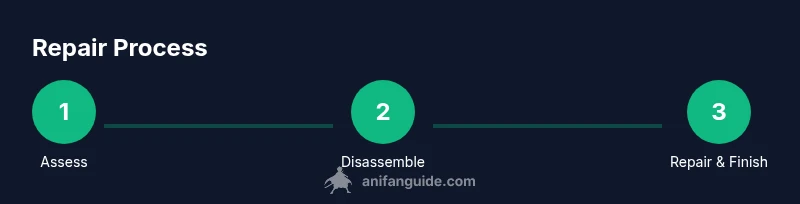
- 1
Assess Damage
Carefully inspect the figure from multiple angles to identify structural breaks, loose joints, paint chipping, and deformations. Document with photos and note missing sections or misalignments. Decide on a reversible approach and gather the right tools before you start.
Tip: Take close-up photos of every damaged area under consistent lighting. - 2
Disassemble if Needed
If parts are loose, gently separate components using a precision tool. Avoid forcing pieces to prevent paint or mold-line damage. Keep track of each part in labeled containers for accurate reassembly.
Tip: Label parts or photograph their orientation to prevent mix-ups. - 3
Clean Surfaces
Wipe all surfaces with isopropyl alcohol and a microfiber cloth to remove oils and dust. Let dry completely before applying adhesives to ensure proper bonding.
Tip: Use minimal solvent to avoid softening plastics. - 4
Apply Structural Putty
Mix epoxy putty per manufacturer directions and press into gaps or missing sections. Shape to restore contour, then let initial cure before trimming or sanding.
Tip: Work in small sections to prevent overfilling. - 5
Reinforce Joints
If joints were loose, consider drilling a tiny pilot hole and inserting a micro pin. Bind the pin with putty and let cure before testing articulation.
Tip: Use a drill stop to avoid going too deep. - 6
Fill Seams and Smooth
Apply a thin layer of putty over seams, cure, then sand flush with surrounding surfaces using fine-grit paper. Re-prime if needed to check for smoothness.
Tip: Keep sanding strokes consistent to avoid unevenness. - 7
Prime and Paint
Apply a light primer to reveal flaws, then base coat and add shading with thin glaze layers. Test paints on a scrap part first to match color accurately.
Tip: Thin paints to prevent obscuring details. - 8
Seal and Finalize
Apply a clear sealant in several thin passes. Allow full cure before handling and test joint movement post-seal. Re-touch if necessary to maintain appearance and flexibility.
Tip: Always follow product cure times and ventilate properly.
Frequently Asked Questions
Is it safe to repair anime figures at home?
Yes, with proper ventilation, safe adhesives, and protective gear. Avoid toxic solvents and work in a well-lit, ventilated area.
Yes—home repair is feasible if you use safe materials and follow ventilation guidelines.
What tools do I absolutely need to start repairing?
Essential tools include a precision knife, fine brushes, epoxy putty, CA glue, and fine sandpaper. A clean workspace and good lighting are also important.
You’ll need a sharp knife, tiny brushes, putty, glue, and sandpaper to begin.
How long does epoxy putty take to cure?
Cure times vary by product; typically several hours to a full day for initial hardness, with full cure taking longer. Check the package for specifics.
Epoxy putty usually cures in a few hours; follow the product’s timing for full strength.
Can I repaint an anime figure after repair?
Yes, after proper priming and smoothing. Use thin coats of acrylic paints to blend colors without obscuring details.
You can repaint after repairing, using light, controlled coats.
What if I damage the figure further during repair?
If you’re worried about making it worse, pause, document with photos, and practice on scraps before continuing. Consider professional help for fragile or valuable pieces.
If you’re unsure, stop and practice on cheap parts first.
Watch Video
Main Points
- Assess damage thoroughly and document it
- Choose adhesives and paints suited for plastic figures
- Repair structure before cosmetic finishes
- Apply thin paint layers for natural blending
- Seal the repair and maintain proper display conditions