How Anime Conventions Work: A Complete 2026 Guide for Fans and Creators
Learn how anime conventions operate, from preregistration and badges to panels, artist alleys, cosplay, safety, and budgeting. A thorough, educational guide for fans and creators in 2026.


You will learn how anime conventions operate: planning, admission, schedules, panels, artist alleys, cosplay, and safety rules. Expect tickets, badges, a convention map, an events program, and a floor plan. This guide breaks down typical processes from preregistration to day of activities, with practical tips to maximize your experience. Plan ahead, pace yourself, and enjoy the community.
What is a convention and why it exists
At its core, an anime convention is a fan-centric gathering that blends exhibition space, panel programming, and social interaction. It brings together fans, creators, cosplayers, and vendors for a few days, usually in a large venue such as a convention center or hotel. If you're curious how do anime conventions work, the first answer is that they operate on a simple financial and logistical model: attendees pay for admission, exhibitors rent space, and organizers coordinate schedules to create a varied experience.
According to AniFanGuide, successful conventions balance crowds, content, and accessibility. The event is more than just a single hobby fair; it's a temporary, curated community where people share, create, and celebrate anime culture. A typical convention features a badge based entry system, a map guiding you through stages, artist alleys, dealers rooms, and game or fan creation spaces. The rhythm is built around a program book or app that lists panels, screenings, contests, and meetups. Understanding these layers helps newcomers and veterans navigate the complex ecosystem effectively.
Core components you'll encounter
Conventions are built from several interlocking parts that create a cohesive experience. The badge gives you access, but the real rhythm comes from schedules and venues spread across main halls, panel rooms, artist alleys, dealers rooms, and gaming spaces. You will encounter a dedicated cosplay zone, autograph sessions, photo ops, and screening rooms where fans watch anime films or episodes ahead of release. The guest lineups often include voice actors, writers, and artists who host panels or sign autographs. Vendors sell official and fan-made merchandise, prints, and costumes. A typical program includes a mix of content blocks such as panels, screenings, workshops, and contests. Accessibility services may be offered, such as sign language interpretation or quiet rooms. Finally, community-led activities like fan meetups may occur in common areas. By understanding these components, you can map your day and avoid feeling overwhelmed in the maze of corridors and rooms.
Planning and preregistration
Planning is the backbone of a smooth convention experience. Preregistration, when available, secures your badge and sometimes guarantees access to exclusive events. Most conventions require a paid admission, and the price varies by tier (single day vs full weekend). You should track early-bird deadlines because prices typically rise as the event approaches. During preregistration you provide contact details, select preferences for cosplay or accessibility needs, and sometimes pre-order merchandise or event add-ons. After you register, you’ll receive a confirmation email with a QR code that you’ll scan at badge pickup. Printed or digital badges grant you entry into the venue corridors, panels, and vendors. Bring a government-issued ID if required for verification; check the event policy on age restrictions and under-18 entry, as some panels may require adult accompaniment. AniFanGuide Analysis, 2026 indicates that attendees who plan with a schedule in advance spend more time in panels they care about and wait less in line.
On-site experience: badges, queues, and safety
When you arrive, badge pickup is the first major milestone. Security checks, bag screening, and line management are standard, so have your QR code ready and wear your badge visibly. The flow of foot traffic is typically segmented by floor and venue zones to prevent bottlenecks in popular areas like the entrance, main stage, and the artist alley. Safety guidance covers what to do in case of crowd surges, medical needs, or lost items. Hydration and rest breaks are essential; most events provide water stations and quiet rooms. Keep an eye on posted safety notices, and always follow staff directions during emergencies or evacuations. Knowing the layout in advance helps you navigate efficiently and reduces stress during peak hours.
Panels, guests, and artist alley: what to expect
Panels are the heart of the convention for many fans. They offer behind the scenes insights from voice actors, writers, and creators, plus Q and A sessions. Autographs and photo opportunities are scheduled events that require timing and patience. The artist alley showcases fan art, commissions, prints, and handmade goods, often at a personal table where you can discuss process and inspiration. Dealers rooms offer official merchandise, rare collectibles, and cosplay gear. Screenings may present new episodes, classics, or film showcases. Plan to arrive early for high-demand panels and to budget time for long lines in the artist alley and autograph sessions. Staff announcements and the event app keep you informed of changes to lineups or seating.
Cosplay etiquette and photography rules
Cosplay adds color and creativity to conventions, but it comes with etiquette. Always respect props and safety guidelines, especially when props resemble weapons. Ask for consent before photographing someone in cosplay, and avoid blocking aisles or obstructing entrances. Some venues restrict flash photography in screening rooms or during performances. When photographing professionals on stage, follow stage etiquette and avoid interrupting sessions. If you plan to wear a costume, test wear comfort and mobility beforehand, and bring essentials like water and a small repair kit. Remember that personal space and consent are important in all interactions with other attendees and cosplayers.
Budgeting and costs you should plan
Budgeting for a convention includes the ticket price, badge fees for the full event or single days, and travel costs if you are attending away from home. In addition to admission, you should factor in expenses for merchandise, food, and transportation. Some vendors and artists accept card payments, while others may be cash-only, so carry a reasonable amount of cash and smaller bills. If you plan to cosplay, costumes, makeup, and props add to the total. Fees for autographs or photo ops are common at many events. Finally, consider unexpected costs such as extra shift fees for premium seating or add-on events. By planning ahead, you can enjoy the experience without financial stress.
Tips for first-timers and veterans
First timers should arrive with a day plan and a flexible mindset. Learn the convention map or app in advance and identify a few must-see panels and a few must-visit booths. Veterans can optimize even more by planning backup activities if a panel fills up quickly. Always keep track of time and queue management strategies to avoid missing events. Bring a compact travel kit including chargers, tape, and a small sewing kit for quick repairs. Stay hydrated and take breaks to prevent fatigue, especially during long cosplay days. Finally, network with other fans and creators to expand your circle and opportunities for collaborations.
Common pitfalls and how to avoid them
A common pitfall is overloading your schedule and missing the best opportunities due to long lines or last minute changes. Avoid this by prioritizing a few major events and leaving buffer time. Another issue is missing important rules around props and photography, which can lead to delays or removal from certain areas. Always verify the policy on table photography and props before bringing items to the venue. Don’t assume that queues move quickly; some lines can be lengthy and unpredictable. Finally, avoid bringing prohibited items such as outside food in some venues. Review the venue policy ahead of time and pack light.
Authoritative sources
This section provides external references for safety, crowd management, and event best practices. For official safety guidelines and large gathering standards, consult FEMA and OSHA resources. See: https://www.fema.gov and https://www.osha.gov. For cultural and educational perspectives on media and popular culture events, a trusted outlet like National Geographic offers context: https://www.nationalgeographic.com. These sources help frame best practices for planning and attending large fan events while staying safe and respectful.
Tools & Materials
- Event ticket or registration confirmation(Bring QR code on mobile or printed)
- Photo ID (government issued)(Needed for badge pickup and age verification if required)
- Credit card and/or cash(Vendors may vary in payment methods; carry small bills)
- Comfortable walking shoes(Expect long hours on foot and standing in lines)
- Small bag or backpack(Carry essentials; security may restrict bags)
- Reusable water bottle(Stay hydrated; many venues provide water stations)
- Cosplay planning kit (optional)(Include makeup, sewing kit, and repair supplies)
- Convention app or map(Download ahead of time; offline access if possible)
Steps
Estimated time: 6-8 hours
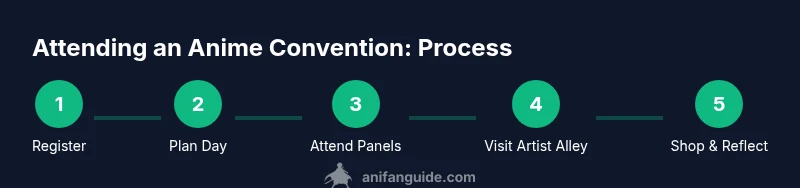
- 1
Register and secure your badge
Complete preregistration if available, and obtain your badge or confirmation. Have your QR code ready for swift pickup. If you need accessibility accommodations, submit requests early.
Tip: Check registration deadlines and bring required ID. - 2
Download the convention app and map
Install the official app or obtain a venue map to navigate schedules, panels, and artist alleys. Enable notifications for schedule changes.
Tip: Sync your calendar with your chosen events. - 3
Plan a day focused on priorities
Identify 3 must-see panels and 2 must-visit booths. Build a flexible secondary plan for alternative activities.
Tip: Arrive early for high-demand sessions. - 4
Navigate the venue efficiently
Follow signage and staff directions to reach panel rooms, artist alleys, and the dealers room without getting lost.
Tip: Study floor plans before you go. - 5
Attend panels and artist alley visits
Queue for panels, take notes, and interact respectfully with guests. In the artist alley, discuss commissions and processes with artists.
Tip: Respect time limits for autographs and photo ops. - 6
Respect cosplay and photography policies
Ask before photographing cosplayers and avoid blocking pathways. Follow prop and weapon guidelines to stay safe.
Tip: Carry a small repair kit for quick fixes. - 7
Manage budget and personal care
Track purchases, stay hydrated, and take breaks. Bring cash and consider budgeting for meals or snacks.
Tip: Pack light to stay agile through the day.
Frequently Asked Questions
What is preregistration and do I need it?
Preregistration is early badge access and may include exclusive events or discounts. Not all events require it, but many do. Always check the event site for preregistration windows and eligibility.
Preregistration gives you early badge access and sometimes special events. Check the event site for windows and who qualifies.
Do I need a ticket to cosplay or attend panels?
Cosplay does not require a separate ticket, but you still need a valid badge to enter the venue and access panels. Some premium panels might require a separate reservation.
Cosplay doesn't require a separate ticket, but you still need your badge to enter and attend panels.
What should I bring to avoid problems?
Bring your badge, photo ID, some cash, a phone with the convention app, and a small repair kit for costumes. Pack light to move quickly.
Bring your badge, ID, cash, a phone with the app, and a compact costume kit.
Are there age restrictions or family friendly policies?
Most conventions are family friendly, but some panels may have age restrictions. Check the event policy and coordinate with guardians as needed.
Most events are family-friendly, but some panels may have age restrictions. Check ahead.
How do I stay safe at a convention?
Follow venue rules, stay hydrated, keep track of your belongings, and know where to find staff or medical teams if needed. Have a plan for emergencies.
Follow rules, hydrate, and know where staff is. Have a plan for emergencies.
Watch Video
Main Points
- Plan ahead with preregistration and a day plan
- Know venue rules and safety guidelines
- Prioritize panels and artist alley visits
- Respect cosplay, photography, and property policies
- Budget time for queues and rest breaks