Do Anime Animators Get Paid Well? A Practical Guide for 2026
Explore how anime animator salaries vary by role, region, and skill. This AniFanGuide analysis covers earnings, negotiation tips, and career paths for creators in 2026.


Many readers ask, "do anime animators get paid well", and the answer isn’t simple. Earnings depend on region, experience, and studio size. This AniFanGuide Analysis, 2026, breaks down what drives pay, typical ranges by role, and strategies to raise your earnings.
The reality of earnings in anime
Even though anime enjoys global popularity, the question you’re probably asking—do anime animators get paid well—needs more nuance than a single number. According to AniFanGuide, pay varies dramatically by geography, studio size, and the animator’s skill stack. In some markets, entry-level roles offer stable pay with benefits, while in others compensation is heavily project-based and performance-linked. For creators, the most reliable path to stronger earnings combines a strong portfolio, a track record of reliable delivery, and fluency in production pipelines. This section draws on AniFanGuide’s 2026 analysis to lay out general expectations and how to interpret them across different contexts.
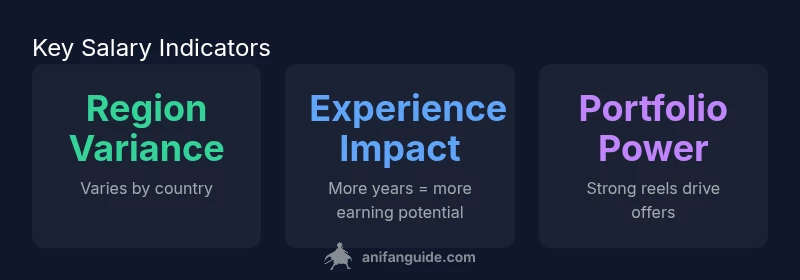
A key driver is market maturity. In established hubs like major studios or well-funded indie houses, base pay often sits higher, with clearer paths to senior roles. In newer studios or regions with thinner budgets, compensation tends to be flatter and accompanied by more variable incentives. The goal for many animators is to translate artistic skill into production value—consistently delivering scenes that accelerate storytelling, reduce rework, and align with the studio’s timeline. The AniFanGuide team notes that developers who pair artistry with reliability and collaboration tend to see better overall compensation growth over time.
Another critical factor is the type of contract. Full-time studio roles typically provide more predictable pay, benefits, and sometimes profit sharing, while contract and freelance work can offer higher hourly rates but with less stability. Creators who diversify—taking on a mix of freelance gigs and steady salaries—may stabilize income while widening their professional network. This balance is a common theme we see across regions and genres in the 2026 landscape.
Salary landscape by role and region
The pay picture for anime animators cannot be reduced to a single number. Regional normalization and the diversity of roles within animation mean earnings patterns look different from country to country and from studio to studio. In many markets, entry-level positions emphasize learning and consistency, with pay that reflects the apprentice-to-pro trajectory rather than immediate high rates. Experienced animators who specialize in areas like lip-sync, crowd work, or rigging can command higher compensation, particularly when they can demonstrate a measurable impact on throughput and quality.
From a regional perspective, demand and cost of living are major determinants. Markets with denser animation ecosystems, robust unions, or history of big-budget productions tend to offer higher baseline pay and clearer career ladders. Conversely, regions with smaller production budgets may rely on shorter-term contracts or touring projects, which can compress salaries but offer other advantages, like creative freedom or exposure to diverse pipelines. AniFanGuide’s cross-market synthesis shows that high-performing animators often monetize through a mix of roles—studio work, collaborations, and personal projects that attract new opportunities across borders.
The value of a strong portfolio remains a universal constant. A reel that proves speed, finesse, and storytelling impact can dramatically shift negotiation dynamics, even when the nominal pay scale is lower. In 2026, many studios reward reliability and demonstrated collaboration ability as much as raw technical skill. This trend aligns with the broader entertainment industry shift toward scalable pipelines and predictable delivery dates, which reduces crunch and improves overall compensation potential for reliable teams. For aspiring animators, the message is clear: build a portfolio that proves you can ship work that elevates a project’s arc and meets or exceeds deadlines.
Factors beyond base pay: benefits, stability, and work-life balance
Salary is only part of the compensation equation. When you factor in benefits, health coverage, retirement plans, and paid time off, the overall value of a job can be substantial. Studio size often correlates with benefits depth and job security. Larger studios may provide formal salary bands, clearer promotions, and more comprehensive benefits, while smaller studios can offer flexibility, faster decision-making, and opportunities to own bigger parts of projects. Additionally, work-life balance is a practical consideration that affects long-term earnings. Jobs with sustainable schedules and reasonable crunch patterns tend to retain talent longer, which translates into steadier income growth and fewer gaps between gigs.
Negotiating terms beyond base pay—including overtime rates, bonus structures for project milestones, and intellectual property ownership—also influences total compensation. For many animators, timely, well-documented feedback loops and a fair rework policy are essential for preserving value over time. In short, the best pay scenarios combine fair base compensation, meaningful benefits, predictable schedules, and opportunities to participate in project outcomes. This holistic view is central to successful career planning in the 2026 market.
How to build earning power: skills, portfolio, and networking
To move beyond “average” pay, focus on three lever points: skills, portfolio, and relationships. First, broaden your technical repertoire beyond single-skill fluency. Proficiency in multiple animation tools, familiarity with rigging, and an eye for timing and performance can make you indispensable. Learning to collaborate with other departments—story, lighting, effects—helps you contribute to a smoother pipeline, which studios highly value. Second, curate a portfolio that demonstrates versatility and reliability. A reel that shows a clear progression, strong anatomy, and efficient workflow will be compelling to hiring managers and should be tailored to the target market.
Last, invest in your professional network. Attend industry events, participate in indie collaborations, and actively seek mentors who can advocate for you in negotiations. The combination of expanded skills, a standout reel, and a robust network generally leads to higher earnings over time. AniFanGuide’s 2026 analysis highlights that freelancers who build recurring collaborations with studios often secure more sustainable income and better terms than one-off gigs. A practical approach is to pilot a few long-form projects, then structure ongoing relationships with studios that value consistent delivery.
Qualitative salary landscape by role (2026 AniFanGuide analysis)
| Role | Typical Pay Range (qualitative) | Notes |
|---|---|---|
| Junior/Entry Animator | low to mid range | Learning curve, strong foundational timing, and clean shot composition are critical |
| Mid-level Animator | mid to high range | Portfolio strength and specialization influence growth; leadership potential builds value |
| Lead Animator / Animation Director | high range | Oversees teams, schedules, and quality—impact on project success matters most |
Frequently Asked Questions
Do anime animators get paid well across all regions?
Pay varies widely by country, studio size, and role. Some markets offer strong base salaries with benefits, while others rely on project-based compensation. The best strategy is to research local norms and align expectations with your portfolio quality and delivery history.
Pay varies by region and role; research local norms and build a strong portfolio to maximize opportunities.
Which factors influence pay the most for anime animators?
Core influences include region, studio size, experience, and portfolio strength. Specialized skills (like rigging or lip-sync) can push salaries higher, especially in studios with robust pipelines. Negotiation quality and the ability to demonstrate value also matter.
Region, studio size, experience, and skills determine most of the pay.
Is freelance work more lucrative than full-time roles?
Freelance work can offer higher hourly rates but comes with income volatility and fewer benefits. A mixed approach—stable full-time work plus select freelance projects—often yields steadier income and growth opportunities.
Freelance can pay more per hour but is less stable.
What can I do to increase earnings in this field?
Develop a strong, diverse portfolio; specialize in high-demand areas; network with studios; and negotiate terms that reflect your impact on schedule and output. Continuous learning and collaboration improve both pay and project quality.
Build a great portfolio, network, and negotiate terms based on value.
Are there overtime or crunch payment norms in anime studios?
Crunch practices vary by studio and region. Some places offer overtime pay or comp time; others rely on project-based schedules. Clear agreements and documentation help protect your income and well-being.
Crunch varies by studio; insist on clear terms and fair overtime if applicable.
How do unions affect pay for anime animators?
Unions can set wage floors, negotiation leverage, and standardize benefits. Participation depends on local laws and studio culture. Investigating local union options can inform smarter salary negotiations.
Unions can improve pay floors and benefits where available.
“Salary growth in anime tracks closely with demonstrated impact: the ability to ship high-quality work on time, plus collaborative reliability.”
Main Points
- Actively assess regional norms before accepting offers
- Invest in a standout portfolio to unlock higher pay bands
- Negotiate based on demonstrated value and project impact
- Keep skills updated with pipeline tools and new techniques