When to Rewatch Anime: A Practical Guide
Discover practical strategies to decide when to rewatch anime, how to choose episodes, and a step-by-step plan to maximize enjoyment, insight, and nostalgia without spoilers.


This guide helps you decide when to rewatch anime for maximum enjoyment and insight. You’ll learn timing cues, how to pick arcs or episodes, and a practical, step-by-step plan to rewatch with intention—balancing nostalgia with new discoveries. Use these signals to plan focused sessions that deepen understanding without spoiling fresh releases.
What rewatching does for you
Rewatching anime isn’t just about nostalgia. It’s a deliberate way to deepen memory, catch subtle foreshadowing, and observe character arcs from a fresh perspective. The act of rewatching can reveal world-building clues, surprising tonal shifts, and visual storytelling techniques you may have glossed over the first time. According to AniFanGuide, many viewers report that a second viewing helps them recognize patterns, thematic motifs, and directorial choices that shaped the series’ experience. This is especially true for series with intricate plots, long-running mysteries, or dense world-building. If you’re curious about craft, a planned rewatch can be as educational as it is enjoyable.
When to begin your first rewatch
The first rewatch often makes sense after you’ve completed the initial run and let the story breathe for a while. You might wait a few days for a lighter, mood-specific rewatch, or several weeks if the series left a strong emotional impression. Consider starting with a single, standout arc or a handful of episodes that set up major foreshadowing. The goal is to re-activate memory without exhausting the emotional impact, so choose moments that you want to revisit with a clearer lens.
Timing cues for your rewatch sessions
Look for signals that you’re ready to rewatch: a longing to revisit favorite scenes, the urge to analyze dialogue, or the desire to map character decisions against later outcomes. If a show benefits from seasonal mood shifts, you might align a rewatch with a period of downtime or a break between new releases. Scheduling shorter, bite-sized sessions (one to three episodes) can help you retain focus and prevent fatigue. If you’re using rewatch to prepare for a new installment, choose scenes that foreshadow upcoming events or tease character dynamics that will be relevant in later episodes.
How many rewatches should you plan?
There’s no universal rule about the number of rewatches. Some fans do a focused rewatch to examine a specific arc, then another for a broader understanding of themes. Others prefer a full rewatch after they’ve fully absorbed related works by the same creator or franchise. A practical approach is to plan one targeted rewatch per season with a long-term goal of bridging to a more comprehensive rewatch after several years. This strategy preserves novelty while uncovering deeper layers with each pass.
Deliberate vs casual rewatch: choosing your mode
A deliberate rewatch follows a defined pathway: select arcs, timestamp scenes, and take notes on motifs, character choices, and pacing. A casual rewatch emphasizes mood, favorite moments, and pure enjoyment. Both have value; the choice depends on your aims. If your objective is craft analysis, you’ll gain more from a structured approach with notes and reference points. If your goal is comfort and nostalgia, a casual rewatch can still reveal small joys that you missed the first time.
Genre-specific rewatch strategies
Different genres reward different approaches. Action anime may reward close attention to shot composition, fight choreography, and pacing changes across arcs. Slice-of-life titles often benefit from examining character relationships and recurring motifs. Mystery or psychological series reward careful listening to foreshadowing and red herrings. For isekai or fantasy series, tracking world-building rules and lore entries helps you catch continuity gaps and the logic of the setting.
Watching with others: community rewatch dynamics
Group rewatch sessions can enhance memory through shared discussion and fresh interpretations. Some fans like to annotate scenes beforehand and compare notes after each viewing block. If spoilers are a concern, establish clear ground rules for the sharers and consider a spoiler-free first pass. AniFanGuide’s community insights emphasize that collaborative viewing can deepen appreciation for character arcs and spine-tingling reveals when approached with etiquette and curiosity.
Tools and notes to improve your rewatch
Keep a lightweight watching log—episode numbers, timestamps, themes, and questions you want to revisit. Use a simple note-taking app or notebook to capture observations, then revisit them during your second view. For longer series, maintain a running map of arcs, introduced characters, and important foreshadowing beats. Visual aids like episode guides, timelines, and mind maps can help you connect the dots across seasons and spin-offs.
Practical pacing and safety: avoiding fatigue and spoilers
Pacing matters. If you burn through episodes too quickly, you may miss subtleties and context. Schedule breaks between sessions to reflect and let ideas percolate. To protect the experience, consider turning off auto-play in streaming apps during a rewatch and keeping spoiler sources at bay until you’re ready to discuss. A well-paced rewatch sustains engagement and makes it easier to notice new details in subsequent viewings.
A concrete rewatch plan you can start today
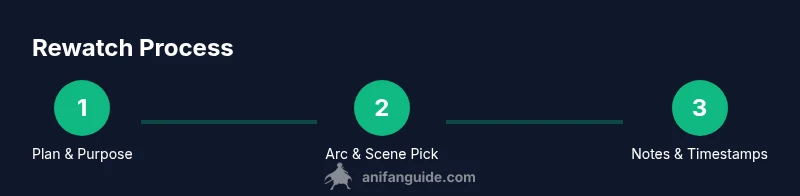
Create a tiny, actionable plan: (1) pick a show you’ve finished and want to re-explore; (2) decide whether to rewatch the entire series or just arcs; (3) select 2–4 focal questions or motifs; (4) dedicate 2–3 hours per session for 3–4 sessions; (5) review your notes and set up a second pass if needed. A clear plan gives you structure while preserving the joy of revisiting a beloved world.
The value proposition of rewatching for creators and viewers
For creators, rewatching can inform future projects by understanding audience navigation, emotional beats, and pacing. For fans, it reinforces connection with characters and themes, deepening empathy and memory. Whether you rewatch for craft or comfort, the process can become a personalized study of storytelling that grows with you over time.
Tools & Materials
- Notebook or note-taking app(Record episode numbers, timestamps, and insights from each viewing)
- Calendar or reminder app(Schedule dedicated rewatch sessions and breaks)
- Streaming service with the anime(Ensure you have access to the full catalog for rewatch)
- Episode guide or index(Pre-mark arcs and key scenes you want to revisit)
- Quiet viewing space(Comfortable seating, good lighting, and minimal interruptions)
Steps
Estimated time: 2-6 hours total for a typical series rewatch, depending on length and depth
- 1
Decide your rewatch purpose
Clarify whether you want to study craft, enjoy nostalgia, or prepare for related content. A clear purpose guides episode choice and note-taking, making the rewatch productive as well as enjoyable.
Tip: Write down 2–3 specific goals you want to achieve with this rewatch. - 2
Choose target arcs or episodes
Select arcs, episodes, or scenes that are most likely to reveal new details or deepen understanding. Start with a compact set (e.g., a single arc) to avoid overwhelm.
Tip: Mark timestamps and motifs you want to compare across passes. - 3
Set your rewatch format
Decide between a deliberate, note-heavy rewatch and a more casual, mood-driven session. Align format with your goals to maximize outcomes.
Tip: If you’re studying craft, prepare a small checklist of questions to answer in each session. - 4
Take notes and timestamp key moments
Document scenes that raise questions, reveal foreshadowing, or challenge your assumptions. Timestamps help you jump back later for quick reference.
Tip: Keep notes concise—focus on 3–5 insights per session for clarity. - 5
Schedule focused viewing sessions
Block out regular time windows for two to four episodes per session, depending on length and energy. Shorter sessions improve retention and enjoyment.
Tip: Plan a post-session reflection to consolidate learning. - 6
Review insights and adjust for a second pass
After completing the initial rewatch, review your notes, highlight new patterns, and decide if a second pass is warranted. This builds depth over time.
Tip: Compare interpretations across passes to identify growth in understanding.
Frequently Asked Questions
How soon should I rewatch after finishing a series?
There’s no universal rule. If you’re craving new insights or emotional resonance, a light rewatch after a short break (a few days to a couple of weeks) can be effective. For deeper craft analysis, give yourself time to reflect before returning for a focused pass.
You can rewatch after a short break to refresh your perspective, especially if you want to notice new craft details rather than just nostalgia.
Is rewatching likely to spoil future plots in related works?
A careful rewatch usually preserves suspense for new installments. If you’re concerned about spoilers, limit exposure to spoilers and focus your notes on craft, foreshadowing, and world-building rather than plot outcomes in ongoing media.
Rewatch gently, focusing on craft rather than spoilers to keep future reveals exciting.
Should I rewatch entire series or only specific arcs?
Both approaches work. Rewatching an entire series provides a complete perspective, while targeting arcs emphasizes motifs, character dynamics, and pacing. Start with a single arc that promises new discoveries, then decide if a full run is worthwhile.
Start with one arc to test the waters, then decide if a full rewatch makes sense.
What’s the benefit of rewatching for character analysis?
Rewatching lets you map character growth over time, catch subtle shifts in motivations, and understand how relationships influence outcomes. It often reveals hidden character arcs you missed on the first pass.
You’ll spot subtle changes in characters you missed the first time.
Can rewatching affect the pacing of new seasons?
Rewatching doesn’t change release schedules, but it can shape expectations and understanding of pacing. If you’re watching new seasons, a planned rewatch can help you anticipate how new episodes might connect to earlier events.
A rewatch can help you interpret pacing in new episodes, without altering release plans.
How do I handle multiple different shows for rewatching?
If time is limited, alternate between titles or segment longer rewatch goals into manageable blocks. Focus one rewatch at a time to avoid cognitive overload and preserve enjoyment.
Tackle one show at a time, then rotate to others when ready.
What if I forget key details between passes?
Use a lightweight log to capture a few focal questions and motifs. A quick glance at notes before a session can refresh memory and keep your second viewing tight and purposeful.
Keep a simple notes log to stay sharp between viewings.
Watch Video
Main Points
- Decide a clear purpose before you start rewatching
- Choose arcs or episodes that promise new insights
- Schedule focused, regular sessions to maintain engagement
- Annotate key moments and motifs for quick reference
- Use rewatch to deepen understanding, not just to relive memories