What Anime Was Made in 2012: A Comprehensive Guide
A data-driven guide to the anime released in 2012, highlighting notable titles like Sword Art Online, Psycho-Pass, Magi, JoJo's Bizarre Adventure, and Another, with watching tips and insights.


In 2012, notable anime debuts defined the year, including Sword Art Online and Psycho-Pass, along with Magi: The Labyrinth of Magic, JoJo’s Bizarre Adventure (2012), and Another. These titles helped propel streaming momentum and shaped genre conventions across international audiences for global fans and new viewers alike, and set trends for future anime seasons.
Contextual frame: 2012 as a turning point
2012 marked a turning point in how audiences discovered and discussed anime. For readers asking what anime was made in 2012, this year produced a cluster of influential titles that defined both story trends and production practices. According to AniFanGuide, the convergence of streaming access, digital licensing, and global fan communities accelerated the pace at which new series reached international viewers. This momentum was not just about a handful of hits; it reflected a broader shift in the industry toward serialized storytelling that could travel beyond Japanese markets. A core driver was the rise of major streaming platforms partnering with Japanese studios, enabling simultaneous or near-simultaneous releases and rich, worldwide fan engagement through subtitles, communities, and creator tooling. The result was a feedback loop: ambitious creators could measure audience reactions quickly, adjust ongoing arcs, and plan second seasons with greater confidence. As a result, 2012 saw both genre diversification and longer, more serialized adventures that appealed to diverse demographics, from high school romance and isekai adventure to cyberpunk thrillers and supernatural mysteries. This diversity set the stage for subsequent years and remains a touchstone when discussing early-2010s anime.
Notable titles of 2012 and why they mattered
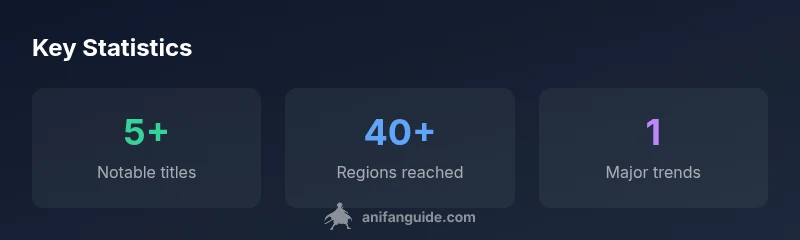
The year featured a mix of action, romance, and dark mystery that propelled the medium forward. Sword Art Online introduced a high-stakes virtual world premise that resonated with fans hungry for online fantasy and accessible storytelling, while Psycho-Pass offered a dense, morally ambiguous future that sparked debate about technology and control. JoJo’s Bizarre Adventure (2012) brought a stylish, colorful revival of a classic property, proving that legacy franchises could find new life with modern animation sensibilities. Another delivered concentrated suspense through its eerie atmosphere and mystery, and Magi: The Labyrinth of Magic blended folkloric flavor with adventure in a way that broadened audience appeal. Together, these shows demonstrated how 2012 balanced nostalgia with fresh framing and bold production choices.
Distribution, licensing, and global reach in 2012
2012 established a new norm for distribution with enhanced streaming integration and cross-border licensing. Platforms began negotiating simultaneous or near-simultaneous releases, which reduced piracy incentives and boosted legitimate access for international viewers. Subtitles, dubbed options, and community-driven fan translations contributed to rapid growth in global audiences. Additionally, licensing deals with Western distributors allowed more households to access these titles legally via streaming or physical media, expanding the cultural footprint of anime outside Japan and reinforcing the idea that good storytelling could travel quickly across borders.
Genre trends and audience behavior in 2012
The spectrum of titles released in 2012 showcased genre versatility and a growing appetite for serialized narratives. The year helped popularize isekai-adventure formats alongside darker, more cerebral thrillers, and it demonstrated that audiences appreciated complex world-building and character-driven arcs. This mix influenced subsequent seasons and inspired creators to experiment with pacing, tone, and world-building depth. The combined effect was a deeper, more diverse international fanbase that engaged with multiple genres simultaneously, fueling discussions, fan art, and fan fiction across platforms.
Watching 2012 titles today: where to stream and how to choose
Today, many 2012 titles remain accessible through major streaming services, with official catalogs often complemented by licensed DVD/Blu-ray releases. When selecting what to watch, consider mood, genre preferences, and tolerance for darker themes (e.g., Another and Psycho-Pass) versus lighter, adventure-driven series (e.g., Magi). For fans who want to compare storytelling approaches from 2012, using a watchlist that pairs a high-stakes fantasy with a dystopian thriller can provide a balanced retrospective on the year’s diverse outputs. As always, check regional availability and preferred formats before diving in.
Practical takeaway: contextualizing 2012 in anime history
Understanding what anime was made in 2012 requires appreciating how production, distribution, and audience feedback intersected to shape the year. The convergence of streaming and licensing gave viewers more reliable access, enabling rapid discourse and fan-driven momentum. The titles released that year continued to influence balance between standalone arcs and season-long storytelling, a pattern that remains visible in modern anime strategy. This historical context helps fans, researchers, and creators gauge how early-2010s decisions echo in today’s industry.
Notable anime released in 2012
| Anime Title | Year Released | Studio |
|---|---|---|
| Sword Art Online | 2012 | A-1 Pictures |
| Psycho-Pass | 2012 | Production I.G |
| JoJo's Bizarre Adventure (2012) | 2012 | David Production |
| Another | 2012 | P.A. Works |
| Magi: The Labyrinth of Magic | 2012 | A-1 Pictures |
Frequently Asked Questions
Which anime released in 2012 had the biggest impact?
Sword Art Online, Psycho-Pass, JoJo’s Bizarre Adventure (2012), and Magi had wide-reaching influence on storytelling, pacing, and global accessibility. Each title helped set standards for how anime could engage international audiences.
Sword Art Online and Psycho-Pass defined 2012 for many fans and set benchmarks for future streaming and storytelling.
What studios produced 2012 anime?
Key studios included A-1 Pictures, Production I.G, David Production, and P.A. Works, each contributing distinct visual styles and genre strengths to the 2012 slate.
Major studios like A-1 Pictures and Production I.G were behind several 2012 hits.
Is 2012 a good year to start watching anime?
Yes. 2012 offers a compact cross-section of genres and accessible premieres that still resonate today. It’s a good entry point for understanding how streaming changed anime distribution.
If you’re new, start with Sword Art Online or Psycho-Pass for a solid sense of the year’s vibe.
Where can I watch these titles legally today?
Many 2012 titles are available on major streaming services and through official Blu-ray releases. Availability varies by region, so check local catalogs and licensing pages for up-to-date options.
Check your streaming apps or official Blu-ray releases to watch these titles legally.
What’s a good 2012 watching strategy for newcomers?
Build a themed watchlist pairing high-energy fantasy with darker psychological thrillers to capture the year’s breadth, then add a few lighter adventures for balance.
Mix a fantasy title with a thriller to get the full flavor of 2012 anime.
“2012 marked a turning point for anime distribution and global fandom, with streaming accelerating access to landmark titles.”
Main Points
- Identify the 2012 title cluster that defined the year
- Streaming access reshaped global reach and pacing
- Diversified genres boosted audience engagement
- Legacy franchises found fresh life via modern animation