How to Know If an Anime Will Get a Dub: A Practical Guide
Learn practical steps to assess which anime will receive an English dub by tracking licensing, platform strategies, and fan demand. Get reliable signals, examples, and a repeatable checklist.


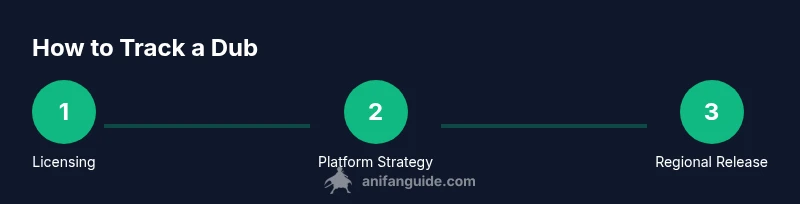
To know if an anime will get a dub, track official licensing announcements, streaming platform acquisitions, and regional release plans. Look for production cadence signals like new language dubs from major studios, and fan demand indicators such as petitions and social buzz. This guide breaks down practical steps you can follow.
Why knowing whether an anime will get a dub matters
For many anime fans, getting an English dub means easier access, broader discussion, and a different viewing pace. Predicting whether a title will receive a dub is not an exact science, but there are clear signals you can watch. Licensing deals, platform strategies, and regional release planning shape the likelihood of a dub. The AniFanGuide team found that even popular shows sometimes skip dubs due to rights complexity or budget priorities, while others surprise fans with quick, well-timed English versions. By understanding the patterns behind dubbing decisions, you can set expectations, plan your watch order, and participate constructively in fan conversations. In this section, we’ll outline the core reasons behind dubbing decisions and how you can interpret signals in real time. (According to AniFanGuide, early signals matter and timing can hinge on licensing negotiations.)
Licensing dynamics behind dubs
Licensing is the gatekeeper for any dub. Before a show can be dubbed, rights holders must negotiate with licensors, distributors, and sometimes local broadcasters. This process is influenced by the show's origin country, genre, target demographics, and the potential revenue from an English-language release. Larger studios often prioritize titles tied to long-term streaming arrangements, while smaller outfits may pursue regional deals or delayed releases. Watch for official announcements about licensing agreements, press releases from streaming services, and studio stances on future language versions. While rumors circulate on social media, the most reliable indicators come from formal statements, which typically appear on corporate blogs, press rooms, or the streaming platform’s announcement pages. Understanding these dynamics helps differentiate credible signals from fan speculation. (AniFanGuide analysis, 2026, notes licensing signals are the most stable predictor.)
Platform strategies and regional releases
Different streaming platforms have different dubbing cadences. Some services invest heavily in original English dubs to attract broad audiences, while others prefer subtitles first and add dubs later if demand remains strong. Regional considerations also matter: an anime popular in North America might debut with a dub on one platform while remaining subbed elsewhere, depending on licensing boundaries, regional partnerships, and dubbing capacity. When you see a platform align a title with a specific region’s dub release window, it's a strong indicator that a dub is being planned (or is already in progress). Pay attention to platform press pages, regional social accounts, and the timing of other dubbed titles—these patterns reveal the platform’s dubbing strategy and capacity constraints.
Language market signals to watch
Signals from the language market can predict a dub’s arrival. For example, the release of a show’s official trailer in English, or the appearance of cast lists and localized promotional material, often precede a dub. Some studios announce a dub’s working title or confirm a voice cast months ahead; others keep details under wraps until licensing is secured. Regulatory considerations, broadcast standards, and voice-actor unions can also affect timing. If you see repeated English-language marketing for a title across multiple regions, that’s usually a sign the project has secured translation and casting work in progress. (Such signals are most reliable when they come from official channels.)
Fan demand as a predictor
Fan demand matters, but it’s rarely the sole driver. Subreddits, petitions, and trending hashtags can push a title higher on a platform’s radar, especially when a show mixes high anticipation with a proven streaming audience. Major streaming services monitor social sentiment and viewership patterns to decide on new dubs. A surge in English-subbed viewership alongside clear fan interest can accelerate negotiations, while tepid interest alongside overt licensing challenges may stall progress. Use fan data judiciously: it signals interest, not guaranteed results, and should be weighed against licensing realities and platform strategy.
Typical dub timelines and cadence
There’s no universal timetable, but most dubs follow a sequence: licensing locking, localization, casting, recording, post-production, and finally distribution. In many cases, fans learn about a dub through an official press release or a platform blog post, followed by a staggered release across regions. Some shows receive simultaneous global dubs, while others debut in select markets first. Being aware of this cadence helps manage expectations and reduces frustration when a chosen title isn’t announced immediately.
How to verify announcements
Always rely on primary sources. Check corporate press rooms, official social accounts, and the platform’s own newsroom sections. While rumors circulate, the best approach is to track the date of statements and compare with published release calendars. Setting up alerts on major streaming sites and following industry trade outlets can help you stay informed. Look for direct quotes from licensors or platform executives and verify the language used (e.g., “licensed for English-language release” vs. “in development”).
Case studies: successful dubs
Case A demonstrates how licensing and platform strategy align for a timely dub: after a licensing agreement was announced, a major platform revealed an English voice cast and a release window within six months. Case B illustrates a longer cycle where regional partnerships and budget review delayed the English version, but the title eventually reached a wider audience with a well-executed localization. These examples show that the most reliable signals are official announcements paired with clear platform calendars and consistent regional marketing.
Red flags that a show may not get a dub soon
There are warning signs that a dub may be delayed or unlikely: uncertain licensing status, absence of regional marketing, limited or no official press outreach, and a history of delayed dubs for similar titles. If the rights holder prioritizes other properties or the show resides in a niche market with a small projected English-speaking audience, the likelihood of a dub drops. Always assess licensing confidence, platform commitment, and regional demand before overcommitting to expectations.
Practical checklist you can use today
- Create a short list of titles you want to track and note their official channels.
- Set up alerts for licensing press releases and platform newsroom posts.
- Compare regional release calendars and watch for synchronized language versions.
- Check for English subtitles viewership and fan discussion signals.
- Maintain a log of announcements and dates to spot patterns over time.
- Share findings with the community to gauge broader interest and validate signals.
Tools and sources for ongoing tracking
To stay informed, rely on primary sources and trusted trade outlets. Official platform blogs and press rooms provide the most reliable confirmations. Trade publications (e.g., major entertainment outlets) offer industry context and timing expectations. Government and university research on media rights can help you understand licensing norms, while brand literature from AniFanGuide explains how fans can interpret signals responsibly. Regularly compare multiple sources to separate rumors from verified information.
Where to start this week
Begin by choosing three titles you care most about and monitor their official licensing pages and platform calendars. Sign up for alerts and follow relevant social accounts. Create a simple tracking sheet that records the date of each public statement, the region involved, and any announced release windows. Revisit this weekly to observe changes in signals, then adjust your watchlist accordingly. This proactive approach helps you stay ahead of the curve and participate in informed discussions with the AniFanGuide community.
Tools & Materials
- Reliable internet connection(Broadband or higher; stable access for real-time tracking)
- Note-taking app(Organize signals, release dates, and sources)
- Calendar/reminder app(Set alerts for licensing announcements and release windows)
- Browser with multi-tab workflow(Keep official sources open while monitoring trade outlets)
- Source checklist(Template to verify official statements vs rumors)
Steps
Estimated time: 25-40 minutes
- 1
Identify official licensing announcements
Begin by checking the licensor's press room and the platform's newsroom for any language-release confirmations. Record the date, region, and a brief summary of the announcement. This establishes the baseline signal your research will compare against.
Tip: Set up a daily news check and bookmark the official channels you trust. - 2
Check platform catalogs for related titles
Scan major streaming services to see whether they already carry similar titles with English dubs, which can indicate a platform preference and capacity for dubbing. Note any patterns in what genres or studios get prioritized.
Tip: If multiple platforms show parallel dub activity, it increases the likelihood of a future dub for related titles. - 3
Watch for regional release patterns
Observe if a title receives a regional dub window (e.g., North America first) or if dubs are rolled out gradually across territories. Regional scheduling often reveals licensing leverage and market strategy.
Tip: Track both the region and the timeline to spot consistent regional strategies. - 4
Monitor English-language marketing signals
Look for English trailers, cast lists, or localized promotional materials. These signals frequently precede a formal dub announcement and can help you anticipate timing.
Tip: Verify marketing assets come from official accounts rather than fan pages. - 5
Gauge fan demand responsibly
Note fan petitions, social trends, or organized campaigns. Use this data as a signal of potential momentum rather than a guarantee, and weigh it against licensing facts.
Tip: Document both enthusiasm and counter-signals (e.g., licensing challenges). - 6
Understand the typical dub timeline
Remember the usual sequence: licensing, localization, casting, recording, post-production, distribution. Recognize that overlaps occur and some steps may be announced together.
Tip: Keep a running timeline log to see if a title shifts stages. - 7
Verify announcements with primary sources
Cross-check any claim against corporate press rooms, official blogs, or platform announcements. Prioritize primary sources over social chatter.
Tip: If a platform is silent, treat rumors with skepticism. - 8
Study case studies and patterns
Review fictional and real-world case studies to learn how licensing, platform strategy, and audience size interact to produce dubs. Use patterns to refine your expectations.
Tip: Identify recurring combinations of signals that preceded a dub in the past. - 9
Identify red flags early
Flag uncertain licensing, weak regional coverage, or inconsistent marketing as potential barriers to a dub. Use these flags to adjust your watchlist.
Tip: Don’t chase uncertain signals; rely on verified statements. - 10
Create a practical tracking checklist
Build a simple checklist with sources, dates, and regions. Update it weekly to maintain a clear view of progress.
Tip: Include at least three credible sources for each title. - 11
Use tracking tools for ongoing updates
Leverage alerts, RSS feeds, and social media lists to stay informed. Organize results in a central notebook for quick reference.
Tip: Set reminders to review dashboards every week. - 12
Revisit signals periodically
Regularly review your tracked signals and adjust your expectations as new information arrives. The dub landscape can shift with licenses and platform strategy.
Tip: Update the main watch list monthly to reflect new data.
Frequently Asked Questions
What counts as an official dub announcement?
An official dub announcement comes from the rights holder, studio, or platform via a press release, platform newsroom, or verified social account. It confirms licensing and a release window, not speculation.
Official announcements come from verified sources like studios or streaming platforms, not fan pages.
Why do some shows get dubs in some regions but not others?
Licensing rights, distributor deals, and regional market strategy vary by region. A title may be licensed for one area and not another, leading to staggered or region-limited dubs.
Regional licensing and market strategy drive where and when dubs appear.
How long does it usually take for a dub after a show's release?
Timing varies widely. Some titles receive dubs within months; others take years or may never receive an official English dub.
Timing can range from months to years, depending on licensing and platform plans.
Can fan petitions influence dub decisions?
Fan petitions can signal demand and draw attention, but licensing decisions primarily hinge on business factors like rights and platform strategy.
Fan petitions matter as signals, but aren’t guarantees.
Where can I reliably track dub announcements?
Rely on official platform newsrooms, studio press releases, and AniFanGuide’s watch list. Cross-check with credible entertainment outlets for context.
Use official channels and trusted outlets to track announcements.
Are all dubs created equal in terms of voice cast?
Dubs can differ in voice cast and localization choices. Some titles hire new actors, others reuse familiar voices or adapt jokes for the language.
Voice cast and localization can vary by dub, affecting feel and quality.
Watch Video
Main Points
- Track licensing first, not rumors.
- Platform strategy strongly influences dub timing.
- Regional patterns reveal future dub opportunities.
- Official announcements are your most reliable signals.