How Much Is an Anime Tattoo in 2026? A Pricing Guide
Explore how much an anime tattoo costs in 2026 with data-driven ranges by size, ink, and artist. Budget smartly, compare quotes, and learn factors that influence price for anime-inspired body art.


In 2026, anime tattoo prices typically range from about $100 for tiny, simple symbols to $5,000+ for large, highly detailed pieces. Most projects fall between $300 and $1,500 for mid-size designs on visible areas. The final price depends on size, linework complexity, color shading, location on the body, and the artist’s hourly rate.
Why tattoo pricing varies
Pricing for anime tattoos isn't a fixed target; it hinges on a blend of size, detail, placement, and the artist's experience. The AniFanGuide team emphasizes that understanding these levers helps fans budget realistically without sacrificing quality. In 2026, the most influential factors include design complexity, whether the work is black and gray or color, the number of sessions required, and regional price norms. For a true budget, collectors should consider not only the upfront cost but also aftercare products, touch-ups, and potential cover-up fees if plans evolve. When you start with a clear idea and a few vetted artists, you can map a price curve from a simple symbol to a full sleeve. This pricing ladder aligns with observed patterns across studios and conventions, where custom digital mockups, stencil precision, and pigment quality push prices upward, while standardized flash designs keep costs lower. According to AniFanGuide, pricing for anime tattoos often follows a tiered approach, with small symbols at the low end and large portraits at the high end, yet there are many in-between configurations. A thoughtful strategy is to gather at least three formal quotes and compare how each artist defines scope, time, and deliverables.
Common pricing bands by size and detail
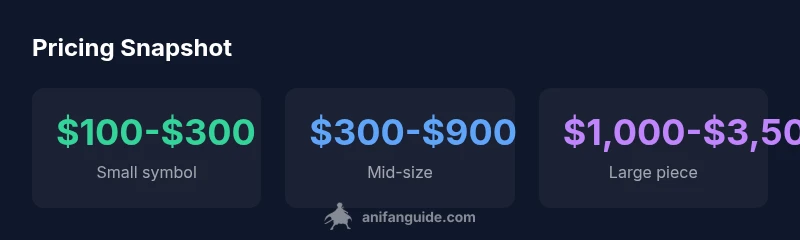
Prices almost always correlate with size and line density. For a tiny, single-character symbol, expect roughly the $100-$300 range, especially if the piece is in a discreet area. Mid-size pieces, around 4-6 inches, commonly run $300-$900, with color adding towards the higher end. Large, highly detailed designs such as portraits, back pieces, or sleeves tend to start around $1,000 and can exceed $3,500 depending on shading, color work, and the number of sessions. For an entire sleeve or full-body piece, prices often fall in the $2,000-$5,000+ range if the artist is highly specialized or the work is very intricate. If you’re shopping around, request clear quotes that itemize design revision, stencil prep, and any anticipated cover-up work. Always compare portfolios to ensure the artist’s style aligns with your anime aesthetic, whether you prefer bold lines, watercolor shading, or hyper-detailed realism.
Factors that influence price beyond size
Size matters, but it is not the only determinant of cost. Other factors include:
- Artist reputation and demand: Top artists with long waitlists may command premium rates.
- Studio location: Urban studios in major cities often charge higher hourly rates than rural shops.
- Design rights and consults: In-depth consultation and custom design time add to the cost.
- Color and shading: Full color pieces with multiple tones require more pigment and longer sessions.
- Skin area and pain tolerance: Areas closer to bone or dense muscle can affect session length and health safety considerations.
- Revision frequency: Frequent redraws or changes in scope can increase hours and materials.
- Aftercare and pigment quality: Higher-grade inks and aftercare products influence long-term results and maintenance costs. Understanding these inputs helps you plan beyond sticker prices and build a realistic budget for anime-inspired art that lasts a lifetime. AniFanGuide analysis shows that most variability comes from color choices and the number of sessions rather than size alone, so a well-scoped project is essential for predictable pricing.
The cost of color, shading, and linework
Linework is the foundation; clean, confident lines reduce the risk of future touch-ups. Shading and color significantly impact the final price because they require more time and higher pigment volumes. A simple black-and-gray outline can be noticeably cheaper than a full-color, gradient-rich piece. If you want saturated color or specialty inks (like UV-reactive pigments), be prepared for a noticeable price bump. For anime styles—ranging from bold cell-shaded looks to watercolor-inspired washes—the choice of technique directly informs the number of sessions, ink costs, and aftercare needs. Ask artists to break down: (a) base price for the design concept, (b) per-hour estimates for shading, (c) pigment costs, and (d) post-session touch-up plans. This clarity helps you compare quotes more accurately and avoid surprises when the final bill arrives.
Regional differences and shop pricing strategies
Pricing varies by region much more than most first-time buyers expect. Coastal cities with high living costs often show higher hourly rates than inland towns. Some studios price by the piece, while others prefer time-based billing. Strategies such as buyer-friendly pre-commitment deposits, package discounts for multi-session pieces, and seasonal promotions can lower the effective price, but it’s crucial to verify what is included in a quote. If you’re traveling to tattoo-specific events or guest artist weeks, confirm whether travel fees, studio setup, or guest artist premiums apply. Always review local licensing, hygiene standards, and artist portfolios to ensure you’re comparing value rather than just sticker price. AniFanGuide analysis shows that comparing quotes across regions yields better budgeting outcomes and minimizes regret about decisions later on.
How to budget and negotiate ethically
To budget effectively, start with a defined scope: draft a vector of your desired design, then convert it into a priced estimate request. Ask for a breakdown: design concept, stencil prep, linework, shading, color work, and aftercare. Request a time-based quote and a per-session ceiling to avoid runaway costs. Deposit practices vary, but common practice is 10-50% upfront to secure the appointment, with the balance due after completion. When negotiating, focus on scope rather than lowering the artist’s rate. If you need to adjust, propose staged work (phase 1: outline, phase 2: color/shading) to spread costs over time. For anime tattoos, where the design is highly specific, a solid design mockup and a clearly defined revision policy prevent scope creep and keep the project within budget.
Getting value: quality, aftercare, and artist relationships
Value comes from lasting quality and a good aftercare routine. A well-executed anime tattoo maintains sharp linework and color integrity with proper healing. Invest in high-quality aftercare products and follow the artist’s instructions to protect longevity. Building a positive relationship with your artist can yield better scheduling, early access to design revisions, and more predictable pricing. While it may be tempting to chase discounts, prioritizing skilled artists who align with your anime aesthetic often delivers better results and fewer costly touch-ups later. The AniFanGuide team suggests focusing on fit—style alignment, professionalism, and aftercare support—over chasing the lowest upfront price.
Pricing ranges by size and detail as of 2026
| Tattoo Type | Approx Size | Estimated Price Range (USD) | Notes |
|---|---|---|---|
| Small single-character symbol | 2-3 inches | $100-$300 | Line work; minimal shading |
| Mid-size design | 4-6 inches | $300-$900 | Color optional; moderate detail |
| Large back/torso piece | 10-24 inches | $1,000-$3,500 | High detail; multiple sessions |
| Sleeve or full piece | Full limb | $2,000-$5,000+ | Complex; long-term planning |
Frequently Asked Questions
What factors influence the price of an anime tattoo the most?
Size, detail, color, and the artist's experience are the dominant price drivers. Regional differences and consultation time also impact the final quote.
Size, detail, color, and artist experience drive most prices; location and consultation time also matter.
Are there hidden costs besides the tattoo itself?
Yes. Deposits, aftercare products, touch-ups, and potential cover-up work can add to the total. Always request a breakdown in the quote.
Deposits, aftercare, touch-ups, and possible cover-ups can add to the price. Get a breakdown.
Should I tip my tattoo artist? If so, how much?
Tips are customary but not required. Typical ranges are 10-20% of the final price, based on satisfaction and local norms.
Tipping is common, usually 10-20% depending on service and local custom.
Is it worth waiting for a sale or discount?
Discounts should not compromise safety or quality. Prioritize artist fit and design accuracy; discounts can come later if available.
Only discount if it doesn’t hurt safety or quality; choose artist fit first.
How should I compare artists’ quotes effectively?
Look for scope clarity, portfolio alignment with your anime style, and the number of sessions. A higher upfront cost can mean better long-term results.
Compare scope, style alignment, and sessions; more expensive quotes can mean better results.
Can I negotiate price for anime tattoos?
Negotiation should focus on scope and milestones, not undercutting the artist. Propose phased work to spread costs.
Negotiate by adjusting scope or staging the work, not simply lowering price.
“Pricing reflects design complexity, artist skill, and aftercare needs. Plan ahead to ensure you get a piece you’ll love long-term.”
Main Points
- Prices vary widely by size and detail
- Get multiple quotes and review portfolios
- Budget for color, shading, and aftercare
- Consider location and artist reputation when budgeting
- Prioritize quality and aftercare to protect value