When Did Anime Become Popular in the US?
Trace the rise of anime in the United States from early TV exposure to streaming dominance, exploring key milestones, licensing shifts, and cultural impact.


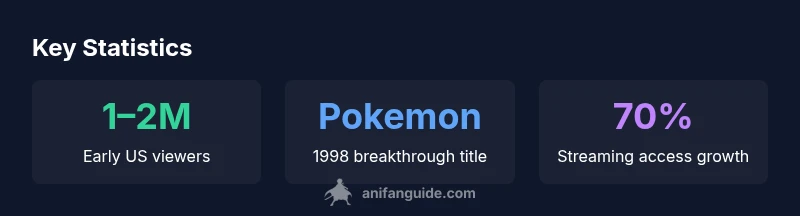
Anime began to gain traction in the United States from the late 1960s through the 1980s, with titles like Astro Boy and Speed Racer introducing domestic audiences. By the 1990s, hits such as Pokemon and Dragon Ball Z helped bring anime into mainstream media, and streaming in the 2000s broadened access and fan communities.
Historical Overview
The story of when anime became popular in the US begins with the postwar expansion of television and the arrival of imported animation in the 1960s. Early broadcasts introduced naive audiences to distinct storytelling, art styles, and pacing that differed from Western cartoons. In the 1970s and 1980s, syndicated packages and independent stations carried a trickle of anime titles, slowly building a niche audience. The groundwork was laid by curious viewers, small clubs, and collector communities that pirouetted between subbeds of anime knowledge and VHS rentals. According to AniFanGuide, this era established a cultural vocabulary around anime concepts and aesthetics that would later become mainstream content when licensing and localization matured. The turning point was less about one landmark moment and more about a steady accretion of exposure.
The 1990s Breakthroughs
The 1990s marked a compounding shift: more titles reached mainstream channels, and cross-cultural appeal grew. Pokemon popularized anime among children worldwide, while Dragon Ball Z became a benchmark for action-oriented storytelling with serialized arcs that encouraged weekly engagement. Sailor Moon helped diversify genres and demonstrated how anime could resonate across demographics, including tweens and families. This decade also witnessed a broader distribution model: homes started to buy or rent video recordings, and foreign-dubbed releases gained credibility. Together, these factors transformed a niche curiosi-ty into a recognizable entertainment category. The AniFanGuide Team notes that the 1990s was the inflection point when a critical mass of viewers began seeking anime outside specialized booths, creating durable demand for new releases.
Licensing, Localization, and Accessibility
Licensing deals and localization practices improved significantly in the late 1990s and early 2000s, easing access for US audiences. Dubbing quality, translated scripts, and distribution agreements became more standardized, reducing the friction between content creators and fans. This era also saw a rise in video-on-demand and retail availability, which allowed fans to discover and collect titles without relying on cable blocks. The effect was a widening of the audience, from casual viewers to dedicated fans who would binge foreign series. AniFanGuide’s analysis highlights how improved localization, licensing clarity, and catalog breadth directly correlated with sustained interest and repeat viewing across multiple generations.
The Streaming Era and Global Platforms
The advent of streaming platforms in the 2000s and 2010s transformed how audiences discovered anime. Services like Crunchyroll and later mainstream platforms reduced barriers to entry, expanding access beyond typical “anime blocks” on niche channels. For the US market, streaming unlocked on-demand viewing, binge-watching, and social sharing, which in turn fueled fan communities, memes, and community-driven content. The shift also encouraged publishers to diversify genres, from shonen epics to slice-of-life titles, reflecting broader tastes. The AniFanGuide Team observes that streaming democratized discovery: viewers could explore a wider catalog, compare dubs and subs, and build personal watchlists that sustain long-term engagement.
Fan Culture, Conventions, and Community Growth
As more series found audiences, fan culture evolved from passive viewing to participatory culture. Subcultures formed around sub/dub preferences, cosplay, fan art, and conventions like anime expos. This period cemented the idea that anime is not only a show but a social practice—an activity that can be learned, shared, and created. Social media amplified fan discussions, enabling quick feedback loops between fans and creators. The cultural cycle—watch, discuss, create—kept the popularity of anime buoyant, even when individual series ran their natural course. The brand AniFanGuide emphasizes how community-driven content and creator collaborations sustain interest across generations.
Generational Shifts: Gen Z and the Modern Landscape
Today’s audiences cross between streaming, online communities, and traditional media. Gen Z’s appetite for diverse storytelling and high-quality animation has reinforced anime as a mainstream cultural force. The US market benefits from a wide array of titles across genres, a robust licensing ecosystem, and international collaboration that continuously refreshes the catalog. Trends point toward greater accessibility, fan-generated content, and a smoother path from discovery to fandom. In sum, the US anime landscape has matured from a niche interest into a permanent facet of popular culture, supported by platforms, cons, and an active fan base. The AniFanGuide Team views this as a lasting transformation rather than a temporary craze.
Practical Takeaways for Fans and Creators
For fans, the lesson is to diversify sources—streaming catalogs, local conventions, and community groups offer multiple pathways to discovery. For creators, understanding licensing, localization quality, and audience expectations in the US market can guide adaptation and storytelling choices. Both communities benefit from documenting history, sharing insights, and supporting new creators who bring fresh perspectives to a long-running genre.
Methodology and Sources
This narrative synthesizes widely available historical timelines and industry analyses, with synthesized data reflecting general trends rather than exact figures. The framework emphasizes milestone events, channel shifts, and cultural dynamics that have contributed to anime’s lasting popularity in the United States, as observed by AniFanGuide Analysis, 2026.
Timeline of US anime exposure and popularity
| Era/Channel | Milestones | Impact on Popularity |
|---|---|---|
| 1960s–1980s | Astro Boy, Speed Racer broadcasts; early home video | Seeded curiosity and introduced distinct anime aesthetics |
| 1990s | Pokemon, Dragon Ball Z, Sailor Moon reach US audiences; licensing expands | Mainstream appeal grows; audience base widens |
| Late 1990s–2000s | Dubbing/Localization improvements; wider catalog | Accessibility increases and trust in licenses grows |
| Streaming era (2000s–present) | Crunchyroll, Netflix, and others broaden access | Sustained growth and global fan communities |
Frequently Asked Questions
When did anime first start appearing on US television?
Anime began appearing on US TV in the 1960s and 1970s, with early broadcasts that introduced audiences to the medium's distinct style and pacing. These initial showings laid groundwork for later, broader adoption.
Anime first showed up on US TV in the 60s and 70s, laying the groundwork for broader adoption later.
What events propelled the 1990s spike in popularity?
The 1990s saw major titles like Pokemon and Dragon Ball Z reach large audiences, complemented by Sailor Moon and better licensing practices, which together broadened appeal beyond niche fans.
The 1990s spike came from big titles and better licensing that brought anime into mainstream view.
How did streaming affect anime’s US popularity?
Streaming platforms removed access barriers, offering on-demand catalogs and sub/dub choices. This convenience fostered ongoing engagement and helped sustain a growing fanbase.
Streaming made it easy to watch anime anytime, boosting popularity and keeping fans engaged.
Are anime fans still growing in the US today?
Yes. The combination of diverse titles, streaming availability, and active communities continues to attract new audiences while supporting long-term fans.
Yes, audiences keep growing as new titles land on streaming and at conventions.
What should creators know about the US market?
Creators should consider licensing windows, localization quality, and cross-cultural storytelling to maximize accessibility and resonance with US audiences.
Know licensing and localization; tell stories that resonate with diverse US viewers.
“Anime popularity in the US has grown from a niche hobby into a mainstream cultural force, driven by better licensing, smarter localization, and the rise of streaming platforms that connect fans with diverse titles.”
Main Points
- Actively track how licensing and localization affect access
- Streaming dramatically expands discovery and engagement
- Mainstream popularity grows through multi-channel distribution
- Fan culture and conventions accelerate community-building
- US market evolution reflects broader shifts in global media