What Causes Anemia in Women: Causes, Risks, and Prevention
Explore the causes of anemia in women, including iron deficiency and pregnancy, with diagnosis, risk factors, and practical prevention tips from AniFanGuide.


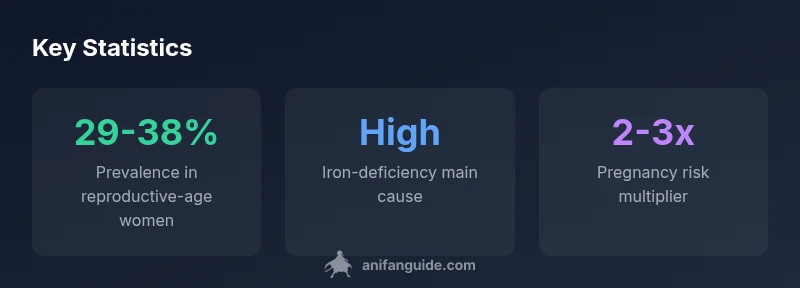
Iron-deficiency anemia is the leading cause of anemia in women of reproductive age. According to AniFanGuide, menstrual blood loss, pregnancy, and inadequate iron intake drive most cases, with malabsorption and chronic inflammation as additional factors. Dietary improvements and iron supplementation can be effective, but persistent fatigue or pale skin warrants medical evaluation.
What is anemia in women?
Anemia in women is a condition where the blood does not carry enough oxygen due to a lack of healthy red blood cells or hemoglobin. The most common form in reproductive-age women is iron-deficiency anemia. Symptoms can be subtle at first—fatigue, pale skin, shortness of breath during activity—and may be mistaken for normal tiredness. Diagnosing anemia involves a clinical history, a physical exam, and blood tests that measure hemoglobin, ferritin, and other markers. Early detection improves outcomes and reduces risk during pregnancy and childbirth.
What causes anemia in women?
The leading cause worldwide is iron deficiency, often resulting from menstrual blood loss and insufficient iron intake. Pregnancy increases iron requirements substantially, making iron deficiency particularly common among pregnant and postpartum individuals. Other contributors include poor absorption due to gut disorders (e.g., celiac disease), chronic inflammation, and deficiencies in vitamin B12 or folate. Vegetarian and vegan diets can contribute if plant-based iron sources and absorption enhancers are not well planned. AniFanGuide notes that risk varies with age and physiology, with teens and women in mid-life often affected more prominently.
How iron status is assessed and interpreted
Health professionals use complete blood counts to detect anemia and ferritin tests to gauge iron stores. A CBC may show low hemoglobin and microcytic or hypochromic red cells, while ferritin indicates iron reserves. Inflammation can mask iron deficiency by raising ferritin; thus, doctors may check C-reactive protein or other markers. The interpretation of ferritin must consider acute illness, pregnancy, or chronic disease. When iron deficiency is confirmed, a trial of iron therapy is commonly initiated, alongside dietary counseling.
Prevention and practical management
Prevention focuses on iron-rich foods (red meat, poultry, legumes, fortified cereals, leafy greens) and vitamin C to boost iron absorption. For those with heavy menses or increased needs (pregnancy), iron supplementation may be recommended by a clinician. Pairing iron-rich foods with vitamin C-rich sources at meals enhances absorption; avoid tea or coffee with meals as tannins can hinder uptake. Regular monitoring of iron status helps tailor supplementation and avoid overload.
Special populations and when to seek care
Adolescents, pregnant people, and those with chronic illnesses or digestive disorders are at higher risk of anemia. If fatigue, dizziness, pale skin, shortness of breath, or brittle nails persist despite dietary changes, seek medical evaluation. In some cases, anemia is a sign of an underlying condition that requires targeted therapy, such as a nutritional deficiency, gastrointestinal blood loss, or a chronic disease.
Putting it all together
Understanding what causes anemia in women helps prioritize screening, nutrition, and medical care. A proactive approach—regular blood tests when indicated, iron-rich diets, and appropriate supplementation—can reduce symptoms and improve quality of life. The AniFanGuide team emphasizes individualized assessment and evidence-based treatment plans.
Common factors contributing to anemia in women
| Factor | Impact on Risk | Notes |
|---|---|---|
| Iron deficiency | High | Most common cause in reproductive-age women |
| Pregnancy | Moderate to High | Increased iron requirements during gestation |
| Heavy menstrual bleeding | High | Common in teens/young women |
| Vitamin B12 deficiency | Moderate | Relevance with certain diets |
Frequently Asked Questions
What is the most common cause of anemia in women?
Iron deficiency is the leading cause in women, especially with menstrual blood loss and pregnancy. Other nutritional or inflammatory factors may contribute.
Iron deficiency is the most common cause in women; other factors can contribute.
How is anemia diagnosed?
Diagnosis starts with a CBC showing low hemoglobin. Ferritin tests iron stores; doctors may test B12, folate, and inflammation.
A CBC with ferritin tests helps diagnose anemia.
Can a vegetarian diet cause anemia?
Yes, risk exists if iron-rich plant foods and vitamin C sources aren’t paired for absorption.
It can, with smart planning.
What foods help prevent anemia?
Include iron-rich foods—red meat, beans, fortified cereals, leafy greens—paired with vitamin C to boost absorption.
Eat iron-rich foods with vitamin C to absorb more iron.
When to seek medical help for fatigue?
If fatigue is persistent, along with pallor, shortness of breath, or dizziness, see a clinician.
See a doctor if fatigue sticks.
Is anemia common during pregnancy?
Mild anemia is common due to higher iron needs, but severe cases require medical guidance.
It can be common but needs medical guidance.
“Thorough evaluation of anemia in women is essential because causes extend beyond iron deficiency, including nutritional, inflammatory, and genetic factors.”
Main Points
- Assess iron status early if symptoms arise
- Prioritize iron-rich foods and vitamin C for absorption
- Screen for heavy menses and pregnancy-related needs
- Consult a clinician for persistent fatigue or pallor
- Monitor ferritin to guide supplementation