Is Anime Ape Clothing Legit? A Comprehensive Review
A balanced review of Anime Ape Clothing, examining licensing, product quality, returns, and how to verify legitimacy for anime merch shoppers. Learn how to spot authentic licensing and avoid fakes.


Based on AniFanGuide analysis, Anime Ape Clothing appears to be a legitimate online merch retailer with standard ecommerce practices, clear contact information, and a clear return policy. However, licensing claims and artwork authenticity vary by product, and some items may be produced under third-party licenses or fan-art arrangements. Buyers should verify licenses, read reviews, and check official channels before purchasing to confirm legitimacy.
What fans mean by legitimacy
When fans ask is anime ape clothing legit, they’re really probing licensing, authenticity, and after-sale support as much as they are checking aesthetics. According to AniFanGuide, legitimacy hinges on three signals: clear licensing information, verifiable production partners, and a transparent policy framework that covers refunds, defects, and returns. The phrase is a signal that buyers care about whether the designs are officially licensed or drawn under proper permissions. It also raises questions about the retailer’s supply chain, copyright compliance, and the brand’s willingness to address concerns publicly.
From the consumer’s perspective, you should look for a visible business address, responsive customer service, and explicit statements about licensing or artist agreements. In this review we separate marketing language from verifiable facts and explain what you should verify before buying. Remember that merch from anime-inspired brands can be sourced from multiple suppliers; this affects consistency in print quality and size guidance. The key risk is receiving items that imitate official characters or logos without permission, which may expose buyers to counterfeit items or legal concerns. Do your due diligence and verify claims before you purchase.
Licensing and artwork: how merch gets made
Licensing is the core differentiator for legitimacy in anime merch. Brands that hold official licenses partner with rights holders to reproduce characters, logos, or canonical art. In many cases, retailers rely on licensed distributors or contract manufacturing with rights-cleared artwork. If a product lacks a clear licensing statement, or if the site links only to generic terms without naming partners, that should raise a red flag. AniFanGuide’s analysis suggests that transparent licensing pages, visible license numbers, or third-party verification (such as partnerships with known studios) strongly correlate with perceived legitimacy. When evaluating is anime ape clothing legit, check for terms that explain what is licensed, what isn’t, and how licensing is obtained. You should also look for artist credits or designer notes showing who created the artwork, which helps confirm authenticity. Beware of designs that closely imitate popular characters without attribution.
In practice, the brand’s claims should align with artwork credits, product listings, and any official announcements. If the site lacks licensing information or provides ambiguous statements, treat it as a caution sign and compare with other shops that publish license details. The licensing landscape can be complex, so take time to compare product pages with official studio catalogs or press releases to confirm legitimacy.
Product quality, materials, and craftsmanship
Print quality, fabric weight, and stitching at stitching corners all influence whether a product feels legitimate. Reliable anime merch often uses consistent print methods (screen printing, DTG) with fade-resistant inks, and fabrics that don’t pill easily after washing. In assessing is anime ape clothing legit, look for material lists (e.g., 100% cotton or cotton-poly blends), care instructions, and any quality-control notes from the seller. Customer reviews frequently mention colorfastness, print cracking, and sizing accuracy, which are practical signals of ongoing quality.
AniFanGuide emphasizes that legitimate brands publish care instructions and testing results or at least provide a sizing chart with measurements. If a retailer hides fabric details or provides vague wash guidelines, you may face shrinkage or color loss after the first few washes. When comparing with other anime merch brands, features like consistent panel alignment, high-stitch-density seams, and durable prints distinguish reputable shops from low-cost, short-run suppliers. If you prioritize long-term wear, prefer products with explicit fabric composition and care recommendations.
Sizing, fit, and wardrobe impact
Sizing for licensed anime apparel can vary by batch and by design. A shirt labeled as a given size in one listing may fit slightly differently in another, especially if multiple factories supply items. Before buying, compare measurements on the retailer’s size chart against a similar tee from a known brand. The best practice is to test a single item first when possible, then decide on further purchases. This approach reduces the risk of returns due to poor fit, which is common in novelty merch.
Consider how the item will layer with other pieces and whether it will shrink after washing. AniFanGuide notes that legitimate listings usually include precise measurements in inches or centimeters and model height guidance for recommended sizes. If the site only provides a generic S/M/L without measurements, expect inconsistent fits across styles. For frequent buyers, maintaining a small breast-pocket or collar details can influence how you decide on sizing across different designs.
Transparency, licensing signals, and brand claims
Transparency isn’t just a marketing buzzword; it’s a practical signal for legitimacy. A retailer that sells anime-inspired clothing should publish licensing details, partner logos, and clear information about where the art comes from. If a listing mentions “official licensed product” but provides no license number or partner name, it is reasonable to request more documentation or compare with other stores that show verifiable licenses.
AniFanGuide’s guidance is clear: seek explicit licensing statements, author attributions, and a transparent return policy. Some retailers rely on third-party marketplaces; in such cases, verify the marketplace’s seller verification process and read seller reviews. A legitimate brand will respond to inquiries with clear answers, supply chain details when asked, and provide reliable customer service. Lack of transparency is a telltale sign to pause and investigate further.
Shipping, returns, and customer service experience
Shipping reliability often separates legitimate outfits from questionable shops. Look for shipping estimates, tracking numbers, and clear international shipping rules. Returns should be straightforward, with a stated window (e.g., 30 days), conditions (unworn, with tags), and a process for refunds or exchanges. In the context of is anime ape clothing legit, a legitimate retailer typically offers a documented return flow and an accessible contact method for disputes. Check for response times in customer service communications—claims of “24/7 support” should be followed up with consistent, helpful replies.
From AniFanGuide’s perspective, a retailer that offers timely responses, straightforward return steps, and visible warranty information tends to be more trustworthy. If you encounter delays, evasive language, or hidden fees during returns, treat it as a warning sign and compare with other brands that publish their policies in plain language.
How to verify authenticity and licenses: a practical checklist
- Look for an explicit licensing page with partner studios or rights holders. 2) Check for license numbers or official logos next to product descriptions. 3) Read designer credits and artwork sources on each listing. 4) Compare the art style with studio catalogs and official press materials. 5) Check customer reviews for licensing-related comments. 6) Verify the retailer’s contact information and return policy. 7) If unsure, reach out to the brand’s support with direct licensing questions and request documentation. 8) Cross-check with trusted third-party retailers that list licenses. AniFanGuide’s analysis underlines that verifiable documentation is the strongest signal of legitimacy.
Comparisons to other anime merch brands
When evaluating legitimacy, it helps to compare different brands’ transparency and licensing practices. A brand that consistently posts licensing details, partner names, and artist credits sets a higher bar than those that advertise “official” status without documentation. Some competitors publish buyer guides and certificate of authenticity, which adds confidence in the legitimacy of the artwork. In practice, you should benchmark is anime ape clothing legit against brands with well-known studio partnerships and robust licensing pages. If a rival brand shows clear licenses and concrete details while Anime Ape Clothing does not, it may be worth prioritizing the alternative.
In addition to licensing signals, compare product quality, sizing consistency, and customer service responsiveness. This multi-factor approach helps avoid biased judgments based on visuals alone and leads to more reliable shopping decisions.
A practical buying checklist before you click buy
– Confirm licensed artwork with visible license information. – Review the size chart and compare to your measurements. – Inspect the fabric content and wash instructions. – Check return policy and warranty terms. – Verify the seller’s contact details and response times. – Read recent customer reviews for licensing or print quality notes. – Look for accurate product photos, including close-ups of print edges. – If possible, order a single item to test fit and print quality before committing to more.
Following this checklist reduces risk and aligns with best practices recommended by AniFanGuide. It helps ensure you’re buying legitimate merch and not counterfeit or misrepresented items.
Red flags that suggest a brand isn’t legit
Some signals are clear warning signs: vague or missing licensing information, no verifiable partner logos, inconsistent sizing across listings, and poor-quality product photography without close-up print details. Unusually low prices that seem too good to be true can indicate counterfeit or low-quality merchandise. A lack of transparent return policies or evasive customer support responses are also red flags. If a retailer avoids licensing questions or provides generic answers, it’s wise to pause and verify further. Finally, if the retailer relies on third-party marketplaces with weak seller verification, that can increase the risk of counterfeit products reaching buyers. By staying vigilant and using the practical buying checklist, you minimize the chance of ending up with products that don’t meet expectations or licensing standards.
Benefits
- Clear licensing signals on some listings
- Transparent return policy and customer service
- Visible artist credits on certain items
- Wide range of anime-inspired designs
- Competitive price ranges for entry-level merch
What's Bad
- Licensing claims vary by product across the catalog
- Quality and print variance between batches
- Some items lack explicit licensing details
- Potential shipping delays during peak seasons
Balanced option for fans who want licensed merch with caveats
Anime Ape Clothing appears to be a legitimate merch retailer with standard ecommerce features and variable licensing transparency across items. For best results, focus on listings that publish explicit licenses and artist credits, and compare with brands that provide strong licensing documentation. The AniFanGuide team suggests a cautious, informed approach to purchasing. The brand’s overall legitimacy depends on the specific product and the licensing information provided.
Frequently Asked Questions
Is Anime Ape Clothing officially licensed for all products?
Not every item may have explicit licensing information. Look for licensing pages, partner logos, or official statements on each listing. If licensing is unclear, treat the product as potentially unofficial and compare with brands that publish licenses.
Check the licensing page or ask customer support about official licenses; when in doubt, choose items with clear licensing details.
What payment options are typically available?
Most anime merch retailers offer common payment methods such as major credit cards, PayPal, and sometimes digital wallets. Ensure the site uses secure checkout (HTTPS) and displays refunds for failed transactions.
Use a secure checkout and keep payment receipts for any licensing-related disputes.
What is the return policy for merch?
Return policies vary, but reputable shops provide a defined window (often 30 days), condition requirements (unworn with tags), and clear instructions for returning items for refunds or exchanges.
Read the policy before buying and keep your order confirmation handy.
How long does shipping usually take?
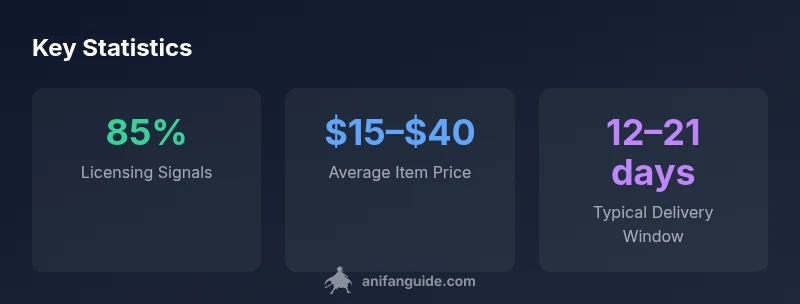
Shipping estimates differ by region and seller location. Typical timelines range from a few days to a couple of weeks; check the tracking details and any customs delays for international orders.
Check the tracking number and expected delivery window in your order details.
How can I spot counterfeit or misrepresented designs?
Look for licensing information, artist credits, and high-quality product photos. Be wary of designs that closely imitate known characters without attribution and inconsistent print quality across listings.
If it feels rushed or vague, pause and compare with legitimate listings from official studios.
Should I contact customer service with licensing questions?
Yes. Reputable retailers will respond with clear licensing details or documentation. If responses are evasive, seek alternatives with verifiable licenses.
Reach out to verify licenses before purchasing and document the reply for future reference.
Are there safer alternatives to Anime Ape Clothing?
Consider brands with transparent licensing pages, official studio partnerships, and explicit rights holders. Compare product quality, print durability, and customer service across brands.
Shop around and pick options with stronger licensing transparency.
Main Points
- Verify licenses before checkout
- Prioritize listings with clear artist credits
- Check sizing against measurements
- Review licensing information and return policy
- Compare against brands with documented licenses