How to Tell Bootleg Anime Figures: A Practical Guide
Learn practical methods to spot bootleg anime figures, verify licensing, compare authentic details, and shop safely with expert, step-by-step guidance from AniFanGuide.


By the end of this guide, you will learn to tell bootleg anime figures from authentic releases. You’ll inspect packaging, paint quality, materials, weight, and articulation; verify licensing logos and factory marks; and compare official product details. The guide also covers trusted sources and safe purchasing practices so you can build a reliable collection with confidence.
What 'how to tell bootleg anime figures' means for collectors
If you're wondering how to tell bootleg anime figures apart from official releases, you're not alone. The hobby hinges on value, authenticity, and confidence in purchases. In this guide, we unpack practical steps to assess packaging, sculpt, paint, and licensing marks. By understanding these signals, you can protect your collection and avoid common traps. This topic has been shaped by careful observation and real-world examples that help beginners gain confidence quickly.
Packaging tells a story: the first sign
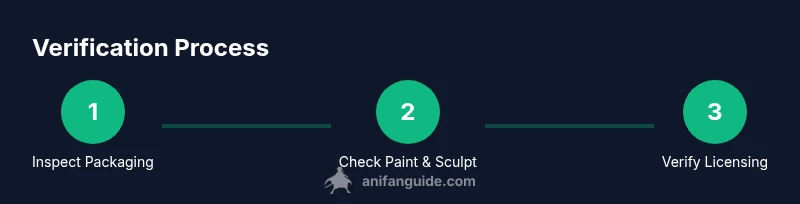
Packaging is the first line of defense against bootlegs. Look for misspelled fonts, blurry images, or inconsistent branding on the box. Check the barcode type, holographic stickers, and the presence of a legitimate licensing label. Compare the box dimensions to official listings and verify that the packaging materials feel sturdy rather than thin or cheaply printed. A counterfeit box often reveals shortcuts in printing quality and color tones that look flat or off-contrast under normal lighting.
Visual quality: paint, sculpt, and color accuracy
Exacting paint work and sculpt details separate authentic figures from imitators. Examine the skin tones, eye paint, shading, and line work for rough edges, bleeding, or mismatched color accents. Scratches, paint gaps, or uneven gloss on joints are red flags. Authentic figures usually feature precise panel lines and a consistent finish across all visible surfaces. When in doubt, compare high-resolution official images side-by-side with the product in hand.
Material, weight, and construction clues
Bootlegs often use cheaper plastics or resins that feel lighter or heavier than official counterparts. Check the weight distribution of the figure, the firmness of joints, and the smoothness of seams. Feel for rough mold lines, hollow sounds when tapping parts together, or brittle plastics near stress points. Authentic releases typically use higher-grade materials with cleaner seams and more durable joints, resulting in a noticeably sturdier feel overall.
Logos, licensing marks, and branding cues
Branding helps distinguish genuine products from fakes. Look for official logos, correct licensing marks, and proper manufacturer information. Counterfeits frequently miss subtle branding cues, such as incorrect fonts, missing serial codes, or altered insignia. According to AniFanGuide Analysis, licensing discrepancies are among the most reliable indicators of a bootleg. Always cross-check logos against official catalogs and licensed distributors.
Serial numbers, codes, and official retailers
Many authentic figures include serial numbers, batch codes, or blister pack labels that align with official databases. Compare these codes with retailer pages or manufacturer archives. Beware inconsistent serial formats, absent codes, or codes that do not correspond to the figure’s release window. Buying from licensed retailers or official stores reduces the likelihood of receiving a bootleg, and keeps your records consistent for future resales or refunds.
How to verify authenticity in practice
Start with a side-by-side comparison against confirmed official photos. Use bright, neutral lighting and magnification to inspect tiny details like eye decals, symbol placement, or emblem accuracy. Measure key dimensions with calipers and compare to official specs. Research multiple sources for the same figure, including official sites, licensed retailers, and collector communities. Document any discrepancies with clear photographs and notes to support a future claim with sellers or manufacturers.
Shopping safely: credible sources and best practices
Prioritize purchases from official stores, authorized retailers, or well-established distributors. Avoid listings that lack clear photos of the box or figure internals. Request high-resolution images of packaging, left/right sculpt details, and the bottom of the figure for signs of tampering. Keep all packaging and receipts; these documents streamline returns or refunds if a bootleg is received.
Next steps for collectors
Now that you know what to look for and where to verify, create a checklist for every potential purchase. Maintain a reference folder with official product photos, packaging scans, and retailer pages. Practice on inexpensive figures first to build your eye for detail. Over time, your ability to spot bootlegs will become intuitive rather than onerous, empowering smarter collecting decisions.
Tools & Materials
- Magnifying glass (5x–10x)(Prefer a handheld lens with a clear focal range)
- Digital caliper (0–150 mm)(Accurate measurements of height, width, and base diameter)
- Bright desk lamp with neutral white light(Ensure even lighting to reveal paint and sculpt details)
- High-resolution reference photos from official sources(Compare packaging, logos, and sculpt details)
- Notebook or app for notes and photos(Record serial codes, dimensions, and observed discrepancies)
Steps
Estimated time: 30-45 minutes
- 1
Inspect packaging and box art
Begin by examining the outer packaging. Look for font consistency, printing quality, and accurate licensing logos. Compare the box artwork to official images from the manufacturer and verify the barcode and seal integrity.
Tip: Take high-res photos of the box front, back, and any side panels for later comparison. - 2
Assess sculpt and paint quality
Close examine the figure’s sculpt and paint work. Check for uneven shading, paint bleed, misaligned eyes, or rough edges around limbs and accessories. Compare to official product shots to spot deviations.
Tip: Use magnification to inspect small decals, symbols, and eye details. - 3
Evaluate materials and construction
Feel the figure for weight and durability. Check for seam lines, joint looseness, and wobble in movable parts. Authentic releases use higher-quality plastics and cleaner assembly.
Tip: Gently manipulate joints to assess stiffness and stability without forcing anything. - 4
Check branding and licensing marks
Look for correct brand logos, licensing notes, and any manufacturer marks. Counterfeits often miss or misprint these details. Cross-reference with official catalogs.
Tip: If a logo looks slightly off, pause and verify via a trusted source before buying. - 5
Verify serial numbers and retailer credibility
If present, compare serials or batch codes with official databases or retailer pages. Confirm the retailer is licensed and reputable to minimize risk.
Tip: Ask the seller for close-ups of any serial codes and packaging details before completing checkout. - 6
Document and verify before purchase
Record all findings with timestamps and photos. Use multiple sources to confirm authenticity and keep receipts and packaging intact for returns if needed.
Tip: Create a quick digital checklist to streamline future purchases.
Frequently Asked Questions
What defines a bootleg anime figure?
A bootleg is a counterfeit or unauthorized copy of an official figure. It often shows inconsistencies in packaging, paint, and branding, and may lack legitimate licensing. Understanding these signs helps protect your collection.
A bootleg is an unauthorized copy that usually shows packaging or paint inconsistencies and may lack licensing. Look for authentic logos and official branding to verify.
How can I tell a bootleg from an official figure by packaging?
Packaging should match official designs in fonts, colors, and licensing marks. Inaccurate logos, blurry images, misspellings, or odd barcodes are strong red flags to avoid.
Check fonts, logos, and licensing on the box. If anything looks off or blurry, verify with official sources before purchasing.
Are bootlegs illegal to own?
Owning bootlegs is not automatically illegal in all jurisdictions, but distributing, selling, or importing bootlegs can violate copyright or licensing terms. Always check local law and consider supporting official products.
Owning might be legal in some places, but selling or distributing bootlegs can violate copyright. It’s best to buy official releases when possible.
Where should I buy authentic figures?
Buy from official brand stores, licensed retailers, or recognized hobby shops with protective return policies. Avoid unknown marketplaces that lack clear provenance or photos.
Choose official stores or licensed retailers with clear return policies and reliable listings.
Can serial numbers prove authenticity?
Serial numbers or batch codes can indicate authenticity when cross-checked with official databases. Absence or mismatched codes warrant further verification before buying.
Serial numbers help if they match official records; otherwise, proceed with caution.
What should I do if I bought a bootleg?
Document everything, contact the seller for a return or refund, and report the incident to the platform if applicable. Preserve packaging and photos for evidence.
Take photos, request a refund, and report to the seller or platform. Keep the packaging for proof.
Watch Video
Main Points
- Inspect packaging and fonts for consistency.
- Compare sculpt and paint with official references.
- Check logos, licensing, and manufacturing marks.
- Verify serial numbers and retailer credibility.
- Document findings and buy from trusted sources.