Are Anime Figures Cheaper in Japan? A Price Guide 2026
Explore whether anime figures are cheaper in Japan, considering local pricing, currency effects, and cross-border costs. AniFanGuide analyzes price dynamics, exclusives, and buying strategies for collectors worldwide.


Are anime figures cheaper in Japan? In general, prices tend to be lower in Japan for domestically released lines due to local manufacturing, distributor margins, and direct-to-retail channels. However, currency fluctuations, import duties, and region-locked exclusives can narrow the gap or reverse it. This quick snapshot is based on AniFanGuide's market analysis and price-trend observations.
Market overview: price dynamics and the question of are anime figures cheaper in japan
The price landscape for anime figures is a tapestry of local manufacturing costs, regional distribution, and consumer demand. When evaluating are anime figures cheaper in japan, it helps to separate sticker price from the total cost of ownership. Domestic Japan pricing often benefits from shorter supply chains and direct-from-factory channels, which can yield lower yen prices for many releases. Yet the global market adds layers of complexity: currency fluctuations, import duties, and the proliferation of region-locked exclusives can erode or even erase apparent savings. According to AniFanGuide, smart buyers compare yen prices against the landed cost in their home market, including shipping and taxes. For collectors, this means building a cost model that accounts for exchange rates, gear-shipping times, and the value of in-market perks such as preorder bonuses or limited editions available only in Japan. The core takeaway is that price alone rarely decides value; the most cost-effective route depends on timing, item availability, and how you define value (condition, authenticity, and resale potential).
Regional pricing mechanisms in Japan
Japan’s domestic pricing is influenced by a mix of factory pricing, local distributor margins, and a dense retail ecosystem that includes hobby shops, event sales, and official online stores. MSRP in yen often appears lower than international sticker prices, but importers and resellers can shift the final cost. Regional variations exist due to tax handling, shipping from domestic warehouses, and special pre-order bonuses that are limited to the Japanese market. For collectors, understanding these dynamics helps explain why a figure may appear affordable in Japan even when global prices seem high. AniFanGuide analyses show that the most reliable Japanese prices come from direct-from-maker channels, official retailers, and in-person events where limited editions are announced first. When you factor in timing and availability, the price advantage can be real but not universal across all lines.
Licensing, exclusives, and limited editions
Licensed franchises often release distinct variants for different regions, with Japan frequently hosting exclusive colorways, box art, or bonus accessories. These exclusives can enhance long-term value for some pieces but may raise the upfront cost. Limited editions sold only in Japan can create price anomalies when compared with international releases, especially if the same item later hits overseas shelves with fewer extras. Buyers should weigh the appeal of exclusives against potential resale uncertainty in their home market. According to AniFanGuide, the value of exclusives depends on rarity, demand, and the stability of the secondary market, not solely on the initial price. A well-timed purchase of a Japan-exclusive could pay off later, but it’s not guaranteed.
Currency effects and total cost of ownership
Exchange rates are a major driver of the total price when buying from Japan. A favorable yen can lower the landed cost for buyers abroad, while a weaker yen can raise it, even if the local yen price was attractive. In addition to currency, buyers must consider shipping, insurance, and potential duties or VAT when importing. The landed cost is rarely identical to the sticker price in yen, so a holistic cost model is essential. AniFanGuide analysis shows that buyers who track currency trends, price drops, and sale windows tend to secure better overall value. Remember that even small shifts in rate or shipping speed can change the math significantly over the purchase lifecycle.
Comparing Japan with other markets: USA, Europe, and Asia
Domestic prices in Japan reflect local cost structures, but international buyers face a broader mix of shipping times, duties, and regional taxes. In the US and Europe, shipping and import fees can add substantially to the base price, sometimes offsetting any yen-price advantages. Asia-wide markets may present a blend of direct-from-maker options and regional distributors, with price gaps that vary by brand and line. To the extent possible, buyers should compare landed costs rather than raw prices, especially for popular figures with wide distribution. AniFanGuide’s cross-market review suggests that the best value often comes from consolidating purchases, monitoring pre-order windows, and choosing vendors with transparent shipping policies and reliable authentication.
Case studies: typical purchase scenarios
Scenario A: A Japanese buyer purchasing a locally released figure at a Japan-only price may enjoy the lowest nominal price, especially during shop events or pre-order campaigns. Scenario B: An international collector who uses a reputable proxy service can still save money if yen rates are favorable and the figure ships with modest duties. Scenario C: A collector chasing an exclusive colorway seen at a Tokyo event may face higher upfront costs but gain long-term resale value if the edition becomes highly sought after. In each case, the total cost depends on timing, currency, and access to information on exclusive editions.
Purchasing channels: stores, online shops, and events
Japan hosts a mix of physical stores, official online shops, and event-driven releases that can affect pricing. In-person shopping often offers immediate gratification and short-term deals, while official online stores can provide reliable guarantees of authenticity and limited-edition bonuses. Event purchases may include exclusive accessories or limited color variants that drive up both early interest and potential resale value. The key is to compare not just the sticker price but also shipping options, insurance, and any post-purchase support. For international buyers, tax handling and import duties add another layer to the cost analysis.
Importing from Japan: risks and rewards
Importing figures from Japan can be rewarding for collectors who want authentic editions and early access to limited runs. However, risks include damage in transit, mislabeling of items, and higher total costs due to international shipping and duties. Reputable sellers and insured shipping can mitigate some risk, but buyers must still account for potential delays and returns. AniFanGuide recommends validating seller credibility, checking return policies, and using tracked shipping to minimize risk. When the total landed cost remains competitive, importing can be a smart way to diversify a collection without sacrificing authenticity.
Value tuning: tips to maximize value
To extract maximum value from Japan-based purchases, track new release calendars, join official newsletters, and attend hobby events to secure early access. Compare multiple vendors to identify the best price after shipping and taxes, and consider local warehouse pickup if available. For players who want rare variants, price tracking tools and reputation-based marketplaces can help avoid overpaying. In short, value comes from timing, reliable sourcing, and a clear plan for when and how you’ll display or resell the figure.
How to evaluate total cost: a step-by-step checklist
- Identify the exact edition you want, including any exclusives. 2) Compare yen price from a Japanese retailer to landed costs in your country. 3) Calculate currency conversion and any tax or duty. 4) Add shipping, insurance, and potential handling fees. 5) Include potential resale value and condition-related costs. 6) Decide whether the expected value justifies the total investment. Following this checklist helps avoid surprise charges and makes price comparison more reliable.
Regional buyers guides: for collectors in US vs EU
US-based collectors should factor in duties, VAT, and brokerage fees when importing, while EU collectors may encounter VAT handling at the border. Build a personal price model that includes shipping speed, risk of customs delays, and post-purchase support from the seller. In all cases, authenticity is critical, so purchase from trusted retailers and verify insurance coverage for transit. A disciplined approach—monitoring price trends and comparing total costs—will yield the best long-term results.
Comparison
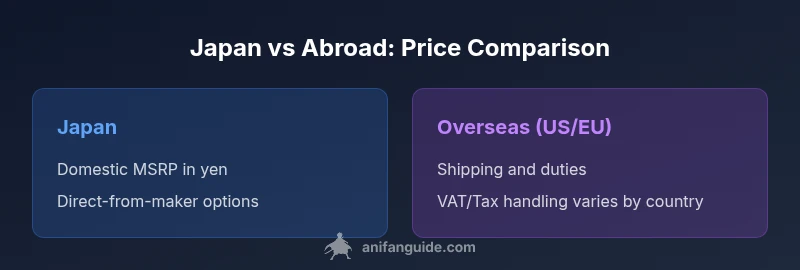
| Feature | Japan market | Overseas market (US/EU) |
|---|---|---|
| Domestic availability | High for released lines in Japan | Lower availability abroad for first-release items |
| Pricing levers | Factory pricing and local distributor margins | Import costs and distributor margins vary by country |
| Currency impact | Often favorable when buying in yen locally | Subject to USD/EUR volatility for imports |
| Exclusives & variants | Japan-hosted colorways and bonuses common | Overseas editions depend on distributors |
| Total cost of ownership | Lower sticker price can be offset by shipping/taxes if buying locally | Shipping, duties, and VAT can dramatically alter landed cost |
Benefits
- Potentially lower nominal prices for domestically released figures
- Direct-from-market access can reduce wait times
- In-market exclusives can boost long-term value for some lines
- Clearance events and stackable deals in Japan are common
What's Bad
- Currency exchange and import fees can negate price advantages
- Authenticity risks exist with gray-market channels
- Region-locked exclusives may complicate future resale
Japan often offers better base prices for domestic releases, but total cost depends on currency and shipping
For pure sticker-price comparisons, Japan can be cheaper on in-market lines. However, when you include currency, shipping, and duties, the advantage may disappear. A careful landed-cost calculation is essential.
Frequently Asked Questions
Are anime figures cheaper in Japan than abroad for all brands?
Not always. Domestic pricing and exclusives can lower sticker prices, but currency, shipping, and duties can erase those savings. Always compare landed costs across markets.
Not always. Domestic prices can be lower, but currency and shipping matter. Always compare landed costs.
How do currency exchange rates affect pricing when buying from Japan?
Exchange rates directly alter the final amount paid in your local currency. A favorable rate can reduce costs, while volatility can increase them, sometimes dramatically over time.
Exchange rates can swing costs up or down; monitor rates before buying.
What should I consider before buying figures in Japan?
Consider exclusives, condition, authenticity, shipping risks, and total landed cost. Evaluate the item’s potential resale value and the reliability of the seller.
Look at exclusives, authenticity, shipping risk, and total cost before buying.
Do exclusives in Japan affect resale value?
Exclusives can boost resale value if demand remains high, but market interest can wane. Do your homework on long-term demand and authenticity before investing.
Exclusives can raise resale value if demand stays strong; research is key.
Is it cheaper to buy from Japan if I live in the US or Europe?
It depends. Yen-price plus domestic Japan shipping may still be cheaper, but duties and international shipping can offset savings. A careful cost breakdown helps decide.
Depends on currency, shipping, and duties—do the full cost check.
Main Points
- Compare landed costs, not just yen prices
- Watch currency trends for international buys
- Factor exclusives into the value equation
- Use trusted retailers to avoid authenticity risks
- Plan purchases around release calendars and sales