Anime Boy Names: Meaning, Trends & Tips for Writers
Explore anime boy names with meaning, trends, and practical tips for writers. Learn naming conventions, kanji meanings, archetype alignment, and tooling to craft memorable characters.


Definition: Anime boy names are typically Japanese given names used for male characters in anime, often chosen to convey traits, family history, or kanji meanings. They frequently follow syllabic patterns, prefer simplicity for memorability, and can blend traditional names with modern twists. This guide explains naming conventions, cultural considerations, and practical tips for writers and fans selecting anime boy names.
Why anime boy names matter for storytelling
Names are not just labels; they carry cultural signifiers, foreshadow traits, and influence how audiences perceive a character. According to AniFanGuide, the practice of naming in anime blends traditional Japanese linguistic cues with creative storytelling to build instant resonance. A well-chosen name can hint at a character's arc, heritage, or core motivation without explicit exposition. In practice, writers use kanji meaning to encode themes such as courage, destiny, or fidelity, while keeping phonetics simple enough for memorability across audiences. This alignment between sound, meaning, and narrative arc helps anchor a character within the world and makes development feel deliberate rather than accidental. For fans, a name can become an iconic cue—the first impression that signals a character’s role, evolution, and even alliance. As you craft a cast, consider how your names will age with the series; names that sound sharp in act one should still feel appropriate as relationships and stakes evolve. The goal is a name that feels inevitable once you know the character, not a distractingly clever afterthought. By treating names as essential elements of world-building, you’ll enhance believability and emotional impact for your readers and viewers.
Core naming conventions used in anime
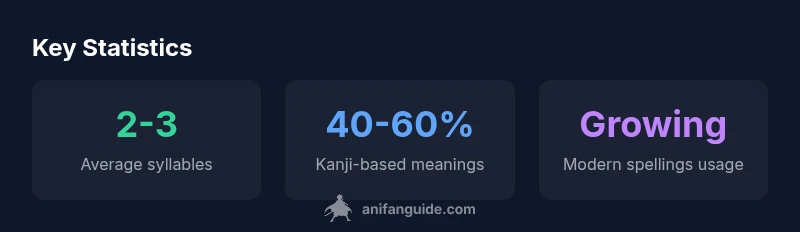
A strong name in anime tends to balance simplicity, phonetic clarity, and meaningful kanji. Most male names fall into a few broad patterns: two to three syllables, vowel-rich endings, and kanji combinations that convey positive traits like strength, wisdom, or loyalty. Writers often favor names with soft, easy-to-pronounce consonants to maintain readability when spoken aloud. In many contexts, especially in school-based or urban settings, names read as friendly and approachable, helping audiences form quick connections. The order of names can reflect cultural norms (family name then given name in Japanese contexts) or be rearranged for Western audiences, so be explicit about your world’s conventions. Be mindful of the world’s setting: fantasy realms may invite more creative spellings or invented kanji compounds, whereas contemporary dramas benefit from authentic-sounding consonants and natural rhythms. Consider whether your name should signal the character’s social role at first glance—hero, rival, mentor, or comic relief—and choose phonetics that support that impression while remaining unique within the ensemble.
Matching names to character archetypes
Names often carry subconscious cues about a character’s role. A proactive hero might bear a name with brisk, crisp sounds and kanji meaning perseverance; a quiet strategist could have a softer cadence and kanji signaling insight. Rivals may wear sharper, edged sounds that imply tension, while mentors can carry names with weight and tradition, suggesting history and responsibility. Comic relief characters benefit from light, memorable syllables that roll easily off the tongue. When building archetypes, assemble a name palette that spans the emotional spectrum of your cast, then test your choices against each character’s arc. If a planned development hinges on a dramatic turn, ensure the name remains resonant as the moment arrives—avoid a name that feels incongruent with the new stakes.
International influences and authenticity
Cross-cultural influences can enrich a world, but require due care. If your setting is grounded in a Japanese-kaiju hybrid or in a global school, consider whether you want strictly traditional Japanese names, or a blend with romaji spellings and Western-friendly pronunciations. Authenticity comes from research: understanding common kanji meanings, phonetic patterns, and how names are perceived by native speakers helps prevent accidental stereotypes. When using non-Japanese names, ensure they are seamlessly integrated into your world’s phonology and cultural context. A thoughtful approach balances creative freedom with cultural respect, avoiding clichés and overgeneralizations. In practice, create a naming guide for your project that outlines allowed kanji pools, preferred syllable ranges, and arc-based naming rules, then let your team reference it during drafting and revisions.
Practical steps for writers and creators
To implement a robust naming process, start with a quick audit of your character’s role and setting. Step 1: Compile a pool of 15–30 candidate names that fit your world’s phonology. Step 2: Filter by length (2–3 syllables) and by a target set of kanji meanings aligned with the character’s arc. Step 3: Test aloud with a focus group or colleagues to confirm ease of pronunciation and recall. Step 4: Check for unintended connotations in other languages or cultures represented in your world. Step 5: Create a short “name map” linking each chosen name to its kanji meaning, intended emotional beat, and how it evolves across the story. Finally, document any stylistic rules for names (e.g., preferred endings, syllable stress) and apply them consistently across the script and episode or chapter drafts. This disciplined approach will yield names that feel organic and purposeful.
Common pitfalls and how to avoid them
A frequent pitfall is using overfamiliar syllables that blur characters together. Another is selecting kanji meanings that clash with a character’s actions or growth, which can confuse audiences. Inconsistent naming conventions across a project also erodes credibility; establish a single standard early and enforce it in every draft. When in doubt, run a quick readability test by asking readers to recall each character’s name after a short scene. If they stumble or misremember, revisit the phonetics or kanji choices. Finally, avoid leaning too heavily on pop-culture references or overly exotic spellings that hinder pronounceability. Names should feel natural within the world’s grammar, not gimmicky.
How AniFanGuide validates and recommends names
The AniFanGuide process emphasizes practical testing over cleverness alone. We recommend building a name library that covers archetypes, dialects, and worldbuilding constraints, then validating names through written scenes and quick audience checks. Our team emphasizes phonetic balance, cultural authenticity, and narrative alignment. For new projects, we suggest a two-step vetting workflow: first a linguistic consistency check by a naming specialist, then a narrative test with a sample audience. The aim is to ensure each name supports character development, fits the setting, and remains memorable over time. Finally, document the rationale for each name so writers can explain choices to editors and fans alike.
Name style guide for anime boy characters
| Name Style | Typical Length | Common Themes |
|---|---|---|
| Traditional | 2-4 syllables | Courage, honor, family |
| Modern/Modernized | 2-3 syllables | Ambition, friendship |
| Mythical/Ethereal | 2-4 syllables | Magic, fate, mystery |
Frequently Asked Questions
What makes a good anime boy name?
A good anime boy name should be easy to pronounce, reflect character traits, and fit the setting's cultural context.
A good name is easy to say and fits your character and world.
Should I avoid real-world names in anime?
Not necessarily, but ensure the name serves the story and isn't distracting; consider stylized spellings or kanji meanings.
You can use real names, but make sure they fit your world.
How do kanji meanings influence name choices?
Kanji conveys meaning; choose characters that reflect the character's growth or role, and confirm readability.
Kanji meanings guide tone and arc; pick ones that fit.
Can I mix cultural influences in names?
Yes, but do so thoughtfully; research linguistic sounds and meanings to avoid stereotyping.
Mixing cultures is fine when you’re respectful and informed.
How many names should I prepare for a new character?
Prepare a small pool of 8-16 strong options; filter by syllable pattern and meaning.
Have about 8-16 solid options.
What mistakes kill name credibility?
Overused syllables, inconsistent kanji, and names that don't match the setting harm believability.
Avoid clichés and keep it consistent.
“"Names are the first emotional touchpoint for a character; pick meanings and sounds that echo their journey."”
Main Points
- Define the arc first to align meaning.
- Choose kanji meanings that reflect growth.
- Test readability aloud for memorability.
- Consider cultural authenticity in setting.
- Build a name pool before final selection.