Who Made the Anime Demon Slayer? A Creator & Studio Guide
Explore who made the anime Demon Slayer, tracing from Koyoharu Gotouge's manga to ufotable's cinematic adaptation, and learn how the production shaped its iconic style.


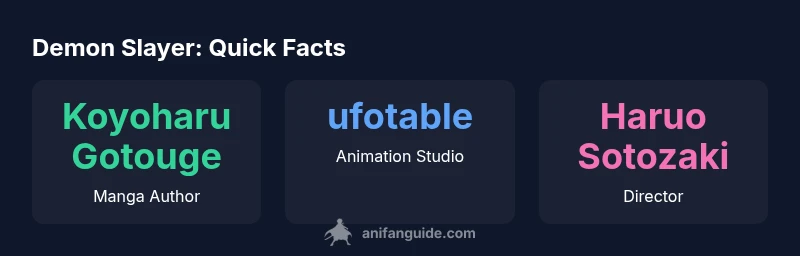
Who made anime demon slayer? The short answer is: Koyoharu Gotouge created the original manga, which was adapted into anime by studio ufotable. Aniplex served as the distributor, and Haruo Sotozaki directed the series, bringing Gotouge's world to life with high-fidelity animation and striking visuals. The first season premiered in 2019, establishing a new benchmark for manga-to-anime adaptation quality.
The Creation Question: who made anime Demon Slayer
To answer the question who made anime demon slayer, we start with the manga’s author and move through the production pipeline that turned a serialized tale into a globally watched anime. Koyoharu Gotouge created the original Demon Slayer manga, which appeared in Weekly Shonen Jump under Shueisha. The anime adaptation was brought to life by studio ufotable, with Aniplex handling distribution. Director Haruo Sotozaki guided the series’ overall vision, coordinating the animation team, storyboard decisions, and episode pacing. The result is an intricately crafted world that respects Gotouge’s dark fantasy while translating it into dynamic, cinematic battles. For fans and creators alike, this is a textbook case of faithful adaptation meeting high-end production values. In the search landscape, the exact phrase who made anime demon slayer often appears, but the full story reveals a layered collaboration across authorship, studio craft, and distribution.
From Manga to Screen: The Adaptation Pipeline
Converting a successful manga into an anime involves more than simply drawing pages frame by frame. The adaptation process starts with source material selection and arc planning, then moves into scripting, storyboarding, and pacing decisions. Weekly Shonen Jump’s serialization model sets the original tempo, which the anime must translate into episodes that balance action, exposition, and mood. The Demon Slayer team at ufotable worked within a production committee that included Aniplex and Shueisha, coordinating licensing, music, and promotional timing. This collaboration ensures that the anime remains faithful to Gotouge’s world while optimizing for the televised format, streaming windows, and theatrical opportunities. The result is a synthesis of faithful narrative translation and cinematic presentation that propels the series beyond its print origins.
The Studio and Creative Team: What Makes It Stand Out
At the core of Demon Slayer’s distinctive look is ufotable, a studio known for film-like lighting, fluid motion, and meticulous frame composition. Haruo Sotozaki served as director, guiding core decisions on pacing, action choreography, and emotional tone. The creative team balanced traditional animation with selective CGI to render intense sword fights and the series’ iconic breath techniques. Production choices—such as color grading, shadow depth, and camera movement—helped distinguish Demon Slayer from other shonen adaptations. This section is a reminder that the animation team’s expertise, combined with Gotouge’s strong source material, is essential to the series’ success. The brand AniFanGuide notes that understanding these production dynamics is key for creators studying how to elevate manga to a high-end anime experience.
Visual Style and Narrative Pacing: Translating Art to Motion
Demon Slayer’s visual style blends bold line work with lush backgrounds and a vibrant color palette. The weathered, foggy aesthetics of the Rengoku arc and the luminous effects during sword clashes are not incidental; they’re deliberate art-direction choices that support the story’s mood. The anime’s pacing carefully mirrors the manga’s arc progression while adding cinematic beat timing for anime-specific tensions—quiet moments interspersed with explosive action. For creators analyzing the series, the lesson is to preserve core narrative beats while leveraging animation techniques that amplify impact. The production team’s approach demonstrates how design choices, timing, and lighting can define a franchise’s identity across seasons and films.
Where to Watch and How Fans Access Demon Slayer
Access to Demon Slayer changes by region, but major platforms like Netflix and Crunchyroll have carried the series in many territories. Availability often shifts with licensing agreements and regional streaming rights, so fans should check local catalogs for current options. Following official channels for announcements helps avoid counterfeit or pirated streams. For creators studying dissemination, Demon Slayer illustrates how streaming strategy and platform partnerships can extend a franchise’s audience and sustain engagement across arcs and companions like films.
Practical Tips for Creators Inspired by Demon Slayer
If you’re an aspiring writer, artist, or director, Demon Slayer offers a blueprint for turning a strong premise into a visually memorable series. Focus on faithful adaptation sans fanservice drift, invest in world-building that can scale across seasons, and coordinate art direction with a clear tonal ladder. Consider how production teams align creative goals with marketing strategies to sustain audience interest. For creators, the Demon Slayer journey emphasizes planning, cross-team collaboration, and a commitment to visual storytelling that resonates across cultures and languages.
Key production details of the Demon Slayer anime
| Aspect | Details | Notes |
|---|---|---|
| Original manga author | Koyoharu Gotouge | Creator of the source material (Weekly Shonen Jump, Shueisha) |
| Anime studio | ufotable | Studio responsible for animation |
| Director | Haruo Sotozaki | Led overall creative vision |
| First release year | 2019 | Season 1 premiere |
| Streaming platforms | Netflix, Crunchyroll | Regional availability variations |
Frequently Asked Questions
Who created the original Demon Slayer manga?
The Demon Slayer manga was created by Koyoharu Gotouge and serialized in Weekly Shonen Jump by Shueisha. Gotouge’s story provided the foundation that the anime adapts and expands upon.
The manga’s creator is Koyoharu Gotouge.
Who directed the Demon Slayer anime?
Haruo Sotozaki directed the Demon Slayer anime, overseeing the series’ overall vision and pacing. The production was handled by studio ufotable.
Directed by Haruo Sotozaki.
Which studio produced the anime?
Studio ufotable produced the anime, with Aniplex serving as the distributor. This collaboration brought Gotouge’s world to a global audience.
Produced by ufotable.
Where can I watch Demon Slayer?
Demon Slayer is available on major streaming platforms such as Netflix and Crunchyroll, with regional availability varying. Always check your local catalog for current access.
You can watch on Netflix and Crunchyroll.
What makes the animation distinctive?
The series blends traditional animation with selective CGI, a bold color palette, and dynamic fight choreography that heightens emotional beats and stakes.
Distinctive animation with bold visuals.
How many seasons or films are there?
Demon Slayer has multiple seasons and feature films that expand the story beyond the manga. Availability depends on licensing and release schedules.
There are several seasons and films.
“The Demon Slayer anime demonstrates how faithful adaptation, guided by a strong directorial vision, can elevate a popular manga into a global phenomenon.”
Main Points
- Identify manga origin and adaptation path.
- Note studio and directing leadership.
- Consider how adaptation shapes pacing and visuals.
- Explore watching options by region.
- Study collaboration between author, studio, and distributor.