How to Anime in ChatGPT: A Practical Guide
Learn how to craft anime-style prompts, dialogue, and scenes in ChatGPT with practical steps, templates, and examples to guide anime enthusiasts and creators.


What it means to anime in ChatGPT
If you’ve ever wondered how to anime in chat gpt, you’re not alone. This guide unpacks how to blend anime aesthetics with AI-driven dialogue and narration. The goal is to achieve vibrant character voices, dramatic pacing, and panel-like scene descriptions that read like a storyboard. According to AniFanGuide, the most effective approaches start with a clear vision of genre, setting, and audience, then translate that vision into prompts that guide tone, pacing, and sensory detail. When you use precise prompts, you reduce ambiguity and invite consistent, engaging responses. Think of this process as directing an episode: your prompts set the plot beats, your characters carry the mood, and the setting provides the visual flavor that fans expect from anime. This foundation helps you move from vague hopes to reproducible, high-impact outputs that work across fanfiction, worldbuilding, or tutorial content.
Key principles for anime prompts
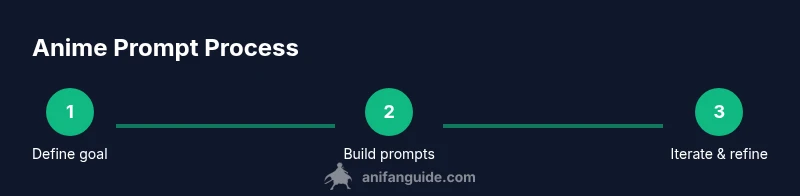
To master how to anime in chat gpt, you must anchor prompts in a few core principles. First, define the genre and mood—shounen energy, slice-of-life charm, or dark fantasy—before you write any lines. Second, establish a consistent character voice: speech patterns, catchphrases, and honorifics should feel recognizably “in-universe.” Third, foreground sensory detail: sound effects, lighting, and motion cues keep scenes vivid even in text. Fourth, balance pacing with panels: describe quick beats for action and slower lines for emotional beats. Fifth, maintain world rules: set magic systems, tech levels, or cultural norms so responses stay coherent across scenes. Finally, test prompts and iterate: small tweaks to verbs or descriptor adjectives can shift tone dramatically. Remember, the best prompts implement a clear recipe rather than a vague vibe—this improves reliability and fan engagement.
Prompt structures that work for anime in ChatGPT
Effective anime prompts share a reliable structure. Try these templates to spark consistent, engaging output:
- Character dialogue prompt: “Write a scene where [Character A] confronts [Character B] on a neon rooftop. The dialogue should be fast-paced, with crisp punchlines and distinctive speech patterns for each character. Include two to three dramatic beats and end with a cliffhanger.”
- World-building prompt: “Describe a cityscape in a future anime world. Include weather, street visuals, cultural cues, and a hint of conflict between factions. Keep the narration cinematic and descriptive, like stage directions for an episode.”
- Action scene prompt: “Generate a dynamic chase sequence in which [Hero] pursues [Villain] through a crowded market. Use sensory details, sound cues, and rapid pacing to convey urgency.”
- Character-record prompt: “Provide a short, character-driven scene that reveals backstory through dialogue and small actions, not exposition.”
These templates are starting points. Customize genre, tone, and pacing, then reuse the same structure for new characters or settings to preserve consistency across prompts.
Practical prompts and examples
Here are ready-to-use prompts you can adapt for your own anime projects in ChatGPT:
- Example 1: “In a neon-lit city at midnight, two rival mechanics argue about a failed invention. The dialogue should feel energetic and witty, with the protagonist’s voice having a hopeful undercurrent and the antagonist’s voice sharp and calculating. Describe the environment with sensory detail and include two short action beats.”
- Example 2: “Write a slice-of-life scene set in a high school club room after class. The tone should be warm but with subtle humor. Show character dynamics through banter and small gestures, and end on a reflective line.”
- Example 3: “Create a fantasy battle scene where the hero shades into light and shadow. Use cinematic framing, vivid colors, and expressive faces. Include stage directions and a closing beat that signals the next chapter.”
- Example 4: “Draft a short origin story for a side character. Use first-person narration with distinctive vocal quirks, revealing motivation through actions rather than direct explanation.”